
Barcelona is a city that captivates visitors with its unique blend of Gothic architecture, modernist masterpieces, Mediterranean beaches, and vibrant Catalan culture. Whether you’re planning a 5 days in Barcelona itinerary or stretching it into a full week, this comprehensive guide will help you experience the best this dynamic Spanish city has to offer.
With five days in Barcelona, you’ll have enough time to explore Gaudí’s architectural wonders, wander through historic neighborhoods, savor authentic tapas, relax on sun-kissed beaches, and immerse yourself in the city’s creative energy. This specific Barcelona itinerary balances must-see attractions with local experiences, giving you a true taste of Catalan life.
5 Days in Barcelona – Table of Contents
Before You Go: Essential Planning Tips
Best Time to Visit Barcelona
The ideal time for your one week Barcelona itinerary is during spring (April-June) or fall (September-October) when temperatures are pleasant, crowds are manageable, and prices are more reasonable. Summer brings peak tourism and heat, while winter offers fewer tourists but cooler weather and shorter days.
Getting Around
Barcelona’s public transportation system is excellent and affordable. Purchase a T-Casual ticket (€11.35 for 10 journeys) that works on metro, buses, and trams. The metro is the fastest way to navigate the city, while buses offer scenic routes. Walking is highly recommended for exploring neighborhoods like the Gothic Quarter and El Born.
Money-Saving Tips
- Book Sagrada Familia and Park Güell tickets online in advance (often cheaper and guaranteed entry)
- Consider the Barcelona Card or Articket BCN for museum access
- Eat your main meal at lunch when many restaurants offer menú del día (set menus) at reasonable prices
- Visit free attractions on Sundays: first Sunday of the month for many museums, plus free hours at others
What to Pack
Comfortable walking shoes are essential—you’ll easily walk 15,000+ steps daily. Pack layers regardless of season, modest clothing for churches, swimwear for beaches, and a reusable water bottle (Barcelona has excellent tap water). Don’t forget a universal power adapter and sun protection.
Day 1: Gothic Quarter and Las Ramblas
Morning: Explore the Gothic Quarter (Barri Gòtic)
Start your Barcelona 5 day itinerary in the heart of the old city. Begin at Plaça de Catalunya around 9 AM to beat the crowds, then head into the labyrinthine streets of the Gothic Quarter.
Barcelona Cathedral (La Catedral) should be your first stop. This stunning 13th-century Gothic cathedral features intricate facades, peaceful cloisters with resident geese, and rooftop access (€10) offering panoramic city views. Arrive early—it opens at 8:30 AM with free entry for prayer until 12:45 PM, though you’ll pay for rooftop access.
Wander through the atmospheric medieval streets, discovering hidden squares like Plaça Sant Felip Neri, a peaceful oasis marked by history (note the shrapnel damage on the church from the Spanish Civil War). The narrow, shadowy lanes transport you back centuries.
Visit Plaça del Rei, the medieval royal square surrounded by historic buildings. This is where legend says Ferdinand and Isabella received Columbus upon his return from the Americas. The Barcelona City History Museum (MUHBA) here offers fascinating underground Roman ruins (€7).
Late Morning: Roman Barcelona
Head to the Roman Walls and Temple of Augustus (free), where four original Corinthian columns from the 1st century BC stand incongruously inside a medieval building. These remnants remind you that Barcelona was once the Roman city of Barcino.
Lunch: Traditional Catalan Cuisine
Stop at Els Quatre Gats (The Four Cats), the famous café where Picasso held his first exhibition. While touristy, it’s historically significant and serves decent Catalan food. Alternatively, find a more authentic spot like Bar del Pla in El Born for creative tapas at better prices.
Afternoon: Las Ramblas and La Boqueria
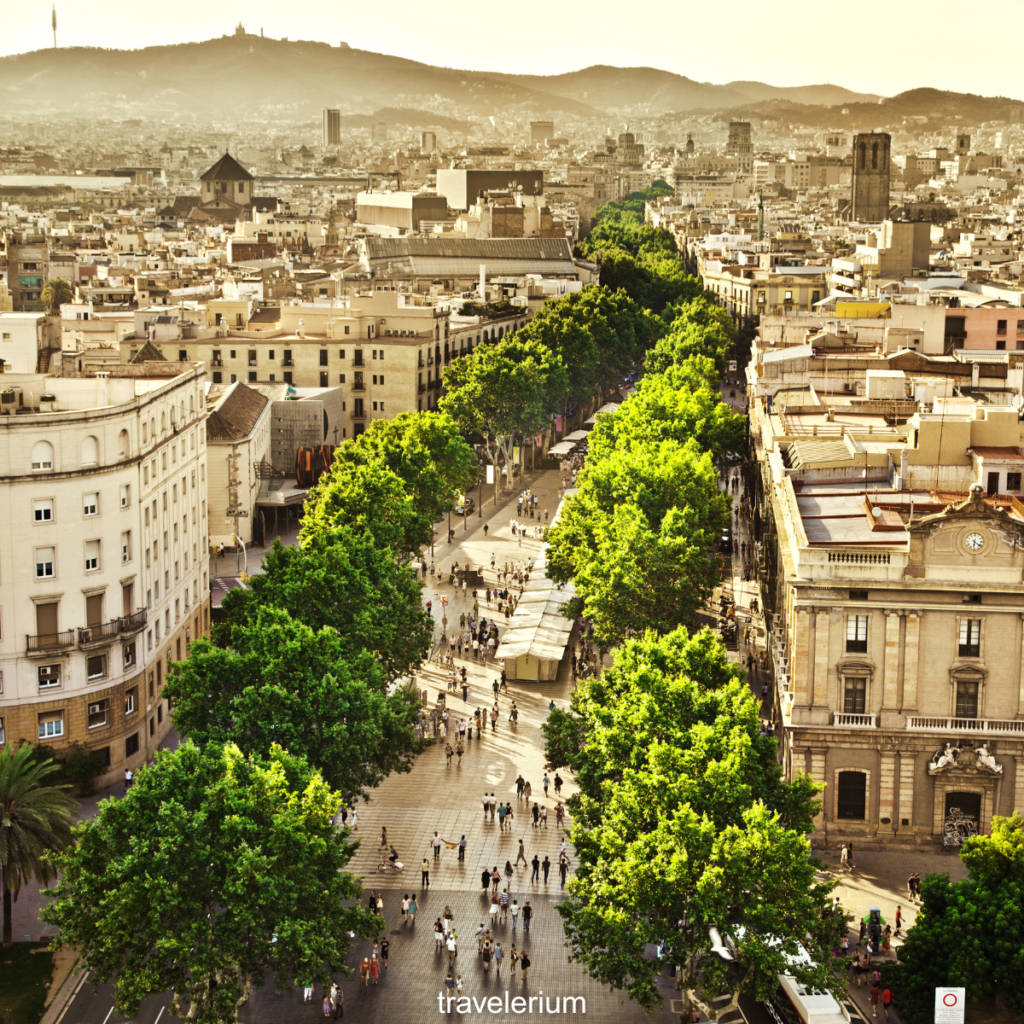
Walk down Las Ramblas, Barcelona’s most famous boulevard. Yes, it’s touristy, but it’s an essential Barcelona experience. Watch street performers, browse flower stalls, and people-watch from sidewalk cafés.
Don’t miss La Boqueria Market, one of Europe’s best food markets. Enter around midday to see it in full swing—though be warned it’s crowded. Skip the tourist-trap front stalls and venture deeper for authentic vendors selling jamón ibérico, fresh seafood, exotic fruits, and prepared foods. Grab a smoothie or some jamón for a snack.
Visit the Liceu Opera House—you can tour this stunning 19th-century theater or book tickets for an evening performance if you’re interested.
Late Afternoon: Raval Neighborhood
Cross into El Raval, Barcelona’s multicultural neighborhood. While grittier than the Gothic Quarter, it’s increasingly trendy with vintage shops, street art, and diverse restaurants.
Stop at Palau Güell (€12), Gaudí’s early masterpiece built for industrialist Eusebi Güell. This UNESCO site showcases Gaudí’s developing style with its innovative use of space and materials. The rooftop chimneys preview what you’ll see at other Gaudí sites.
Visit MACBA (Barcelona Museum of Contemporary Art) if modern art interests you, or simply admire its striking white building and watch skateboarders in the plaza.
Evening: Dinner and Sunset
Head to Barceloneta Beach for sunset around 8 PM. Walk along the boardwalk, dip your toes in the Mediterranean, and watch the sun set over the water.
For dinner, avoid the overpriced beachfront restaurants and head slightly inland to Can Solé (since 1903) for excellent seafood paella, or try Els Pescadors in Poblenou for a more upscale seafood experience. Budget option: La Cova Fumada for bomba (potato and meat croquette) and grilled sardines.
End your first day with a post-dinner stroll along the beach or return to the Gothic Quarter for drinks at a plaza terrace bar.
Day 2: Gaudí’s Masterpieces
Today focuses on Antoni Gaudí, Barcelona’s most famous architect whose whimsical modernist works define the city’s identity.
Morning: Sagrada Familia
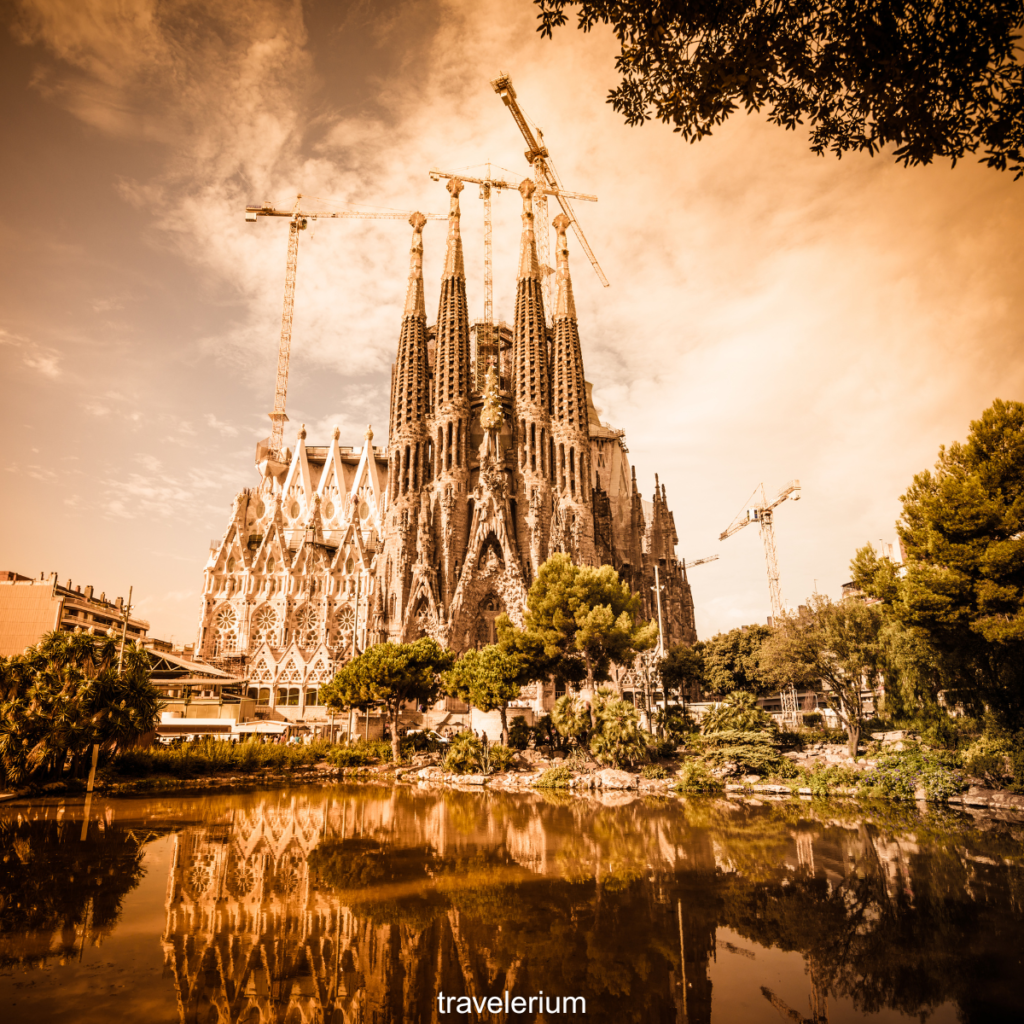
Start early (8:30-9 AM entry) at the Sagrada Familia (from €26), Gaudí’s unfinished masterpiece and Barcelona’s most iconic landmark. Book tickets weeks in advance online, choosing a time slot and whether you want tower access (recommended).
Allow 2-3 hours to fully appreciate this UNESCO World Heritage site. The forest-like interior with light streaming through stained glass creates an ethereal atmosphere. The Nativity Façade (east) showcases Gaudí’s organic style, while the Passion Façade (west) features dramatic, angular sculptures by Josep Maria Subirachs.
Audio guides explain the symbolism and construction history. When complete (estimated 2026-2030), it will have been under construction for over 140 years.
Late Morning: Park Güell
Take the metro to Park Güell (€10-13.50, book online with timed entry). This UNESCO-listed park showcases Gaudí’s vision of integrating architecture into nature. Arrive at your scheduled time for the Monumental Zone (the restricted area with the famous structures).
The colorful mosaic salamander (el drac), the undulating bench with trencadís (broken tile mosaic), and the Hypostyle Room with its stone columns are quintessential Barcelona photo ops. The park offers excellent city views, especially from the elevated areas.
The free areas of the park are also worth exploring—shaded paths wind through pine forests with more city vistas. Bring water and wear comfortable shoes; there’s considerable uphill walking.
Book Your Gaudi Tickets and Tours Today
Lunch: Gràcia Neighborhood
Walk down into Gràcia, a charming neighborhood that feels like a village within the city. Its small squares (like Plaça del Sol and Plaça de la Virreina) host outdoor cafés perfect for lunch.
Try La Pepita for modern tapas, Cal Boter for traditional Catalan cuisine, or Botafumeiro for premium seafood. Budget-friendly option: Federal Café for excellent brunch/lunch with international options.
Afternoon: Casa Batlló and Casa Milà
Head to Passeig de Gràcia, Barcelona’s grandest boulevard, to visit Gaudí’s residential masterpieces.
Casa Batlló (€29-35) features an organic, skeletal-inspired facade and a fantastical interior. The recent immersive augmented reality experience enhances the visit, showing how the building transforms. The dragon-scale roof, bone-like balconies, and flowing interior spaces demonstrate Gaudí’s mastery. Allow 1-1.5 hours.
Walk five blocks to Casa Milà (La Pedrera, €25-28), Gaudí’s last secular work. The undulating stone facade earned it the nickname “The Stone Quarry.” The rooftop is the highlight—surreal warrior-like chimneys and excellent views. The attic houses a Gaudí exhibition, and you can tour a period-furnished apartment. Allow 1.5 hours.
If you’re experiencing Gaudí fatigue, admire these buildings from outside (free) and save your tickets for another day. The facades alone are impressive.
Late Afternoon: Shopping on Passeig de Gràcia
Browse the upscale shops along Passeig de Gràcia, from international luxury brands to Spanish favorites like Loewe and Camper. The sidewalk itself features modernist designs—look for the hexagonal “panots” tiles designed by Gaudí.
Don’t miss the Manzana de la Discordia (Block of Discord), where three competing modernist architects created adjacent buildings: Casa Amatller, Casa Batlló, and Casa Lleó Morera, each in distinct styles.
Evening: Eixample Dining
The Eixample district offers excellent dining options. Try Cervecería Catalana for outstanding tapas (expect queues), Moments for two-Michelin-star fine dining (reserve well ahead), or Ciudad Condal for casual tapas and people-watching.
For dessert, visit La Nena in Gràcia for thick hot chocolate and churros, or find an artisanal gelato shop.
Day 3: Montjuïc and Museums
Montjuïc, the hill overlooking Barcelona’s port, offers museums, gardens, Olympic facilities, and spectacular views. It’s perfect for your third day when you might appreciate slightly fewer crowds.
Morning: Montjuïc Cable Car and Castle
Take the metro to Paral·lel, then the funicular up Montjuïc (included in metro ticket). At the funicular’s top station, catch the Telefèric de Montjuïc cable car (€12.50 return) for spectacular aerial views as you ascend to the castle.
Montjuïc Castle (€5) is a 17th-century fortress with a complex military history. Walk the ramparts for 360-degree views of Barcelona, the port, and the Mediterranean. The castle houses exhibitions about its history, including its dark past as a military prison.
Late Morning: Olympic Ring
Walk down to the Olympic Ring, site of the 1992 Summer Olympics. Visit the Olympic Stadium (Estadi Olímpic Lluís Companys), where you can walk through free of charge most days. The Palau Sant Jordi arena, designed by Japanese architect Arata Isozaki, is architecturally striking.
The viewing area offers excellent city panoramas, and there’s a small Olympic and Sports Museum (Museu Olímpic i de l’Esport, €6) if you’re interested.
Lunch: Poble Espanyol
Head to Poble Espanyol (€14), an open-air architectural museum featuring replicas of buildings from different Spanish regions. While somewhat touristy, it’s fascinating and houses restaurants, craft workshops, and art galleries. You can easily spend 2-3 hours here.
Have lunch at one of the restaurants inside—options range from traditional paella to modern fusion. Tablao de Carmen offers flamenco shows with dining packages if you’d like an early performance.
Afternoon: Joan Miró Foundation and National Art Museum
Art lovers shouldn’t miss the Fundació Joan Miró (€13), dedicated to the Catalan artist. The light-filled building by Josep Lluís Sert houses the world’s largest collection of Miró’s work—paintings, sculptures, textiles, and ceramics. The rooftop terrace features sculptures and city views. Allow 1.5-2 hours.
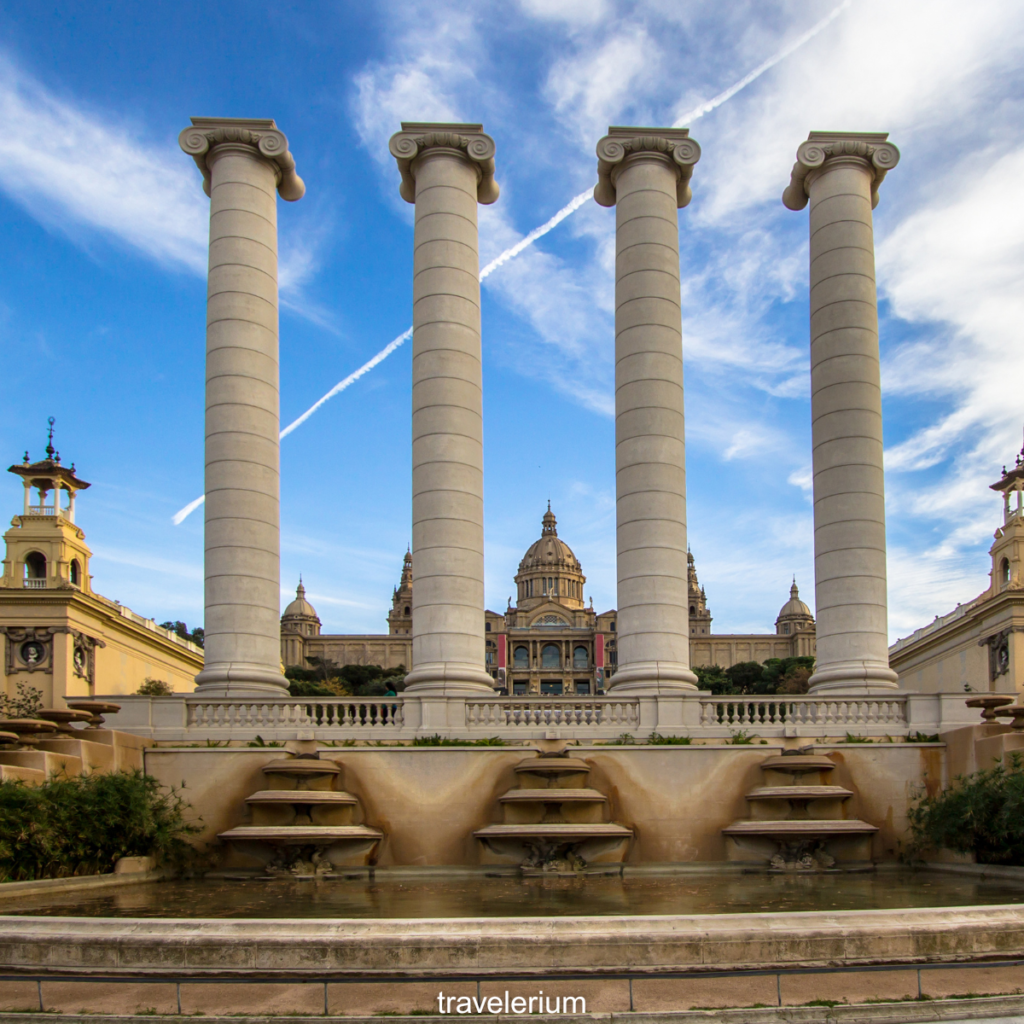
Alternatively (or additionally, if you’re ambitious), visit the Museu Nacional d’Art de Catalunya (MNAC) (€12, free after 3 PM on Saturdays and first Sunday of month). Housed in the imposing Palau Nacional, it contains exceptional Romanesque frescoes, Gothic art, and works spanning a thousand years. The terrace steps offer the iconic Barcelona skyline view.
Late Afternoon: Magic Fountain
Rest at the MNAC terrace, enjoying the sweeping views across Plaça d’Espanya to the city. As evening approaches, position yourself for the Magic Fountain of Montjuïc (Font Màgica).
This spectacular fountain show (free) combines water, light, and music. Check the seasonal schedule—shows typically run Thursday-Sunday evenings, with multiple performances. In 2026, expect shows around 8:30-9:30 PM in summer, earlier in winter. Arrive 20-30 minutes early for good viewing spots.
Evening: Poble Sec Dining
Descend to Poble Sec, Montjuïc’s foodie neighborhood with an incredible density of quality restaurants. This working-class area has become Barcelona’s tapas heaven.
Hit Carrer de Blai for pintxos (Basque-style tapas on bread)—bar-hop along this street trying different spots. Quimet & Quimet is legendary for gourmet montaditos (open-faced sandwiches) but tiny and crowded. Tickets Bar (by the elBulli team) offers creative tapas but requires advance reservations.
More accessible options: La Bodegueta Provença, Bodega Montferry, or Federal for international options.
Day 4: El Born, Ciutadella Park, and Beach Day
After three intense sightseeing days, today balances culture with relaxation.
Morning: El Born Neighborhood
Start in El Born, the trendy medieval neighborhood east of the Gothic Quarter. Its narrow streets are lined with independent boutiques, artisan workshops, and specialty food shops.
Visit the Basilica de Santa Maria del Mar (€10 or free for prayer times), the people’s church built in the 14th century. Its austere Gothic beauty contrasts with the Cathedral’s ornateness. The novel “Cathedral of the Sea” by Ildefonso Falcones brought this church worldwide fame. If you’re adventurous, climb to the roof for unique views.
Explore Passeig del Born, once used for medieval jousting tournaments, now a lively promenade with outdoor cafés and street musicians.
Mid-Morning: Picasso Museum
The Museu Picasso (€12, free Thursdays 6-9 PM and first Sunday of month) occupies five medieval palaces. While it doesn’t house Picasso’s most famous works, it contains an excellent collection of his early work, showing his development from classical training to cubism. The Las Meninas series is particularly fascinating.
Book tickets online to avoid long queues. If lines are prohibitive and you’re not a huge Picasso fan, skip it—there’s plenty else to see.
Lunch: El Born Tapas
El Born offers fantastic lunch options. Cal Pep serves exceptional seafood tapas (no reservations, expect queues). El Xampanyet is a traditional cava bar with classic tapas—order the anchovies and cava. Euskal Etxea offers Basque pintxos where you grab plates from the bar and pay by the toothpick count.
Afternoon: Ciutadella Park and Arc de Triomf
Walk to Parc de la Ciutadella, Barcelona’s green lung and most popular park. Built on the site of a demolished military citadel, it’s perfect for a post-lunch stroll.
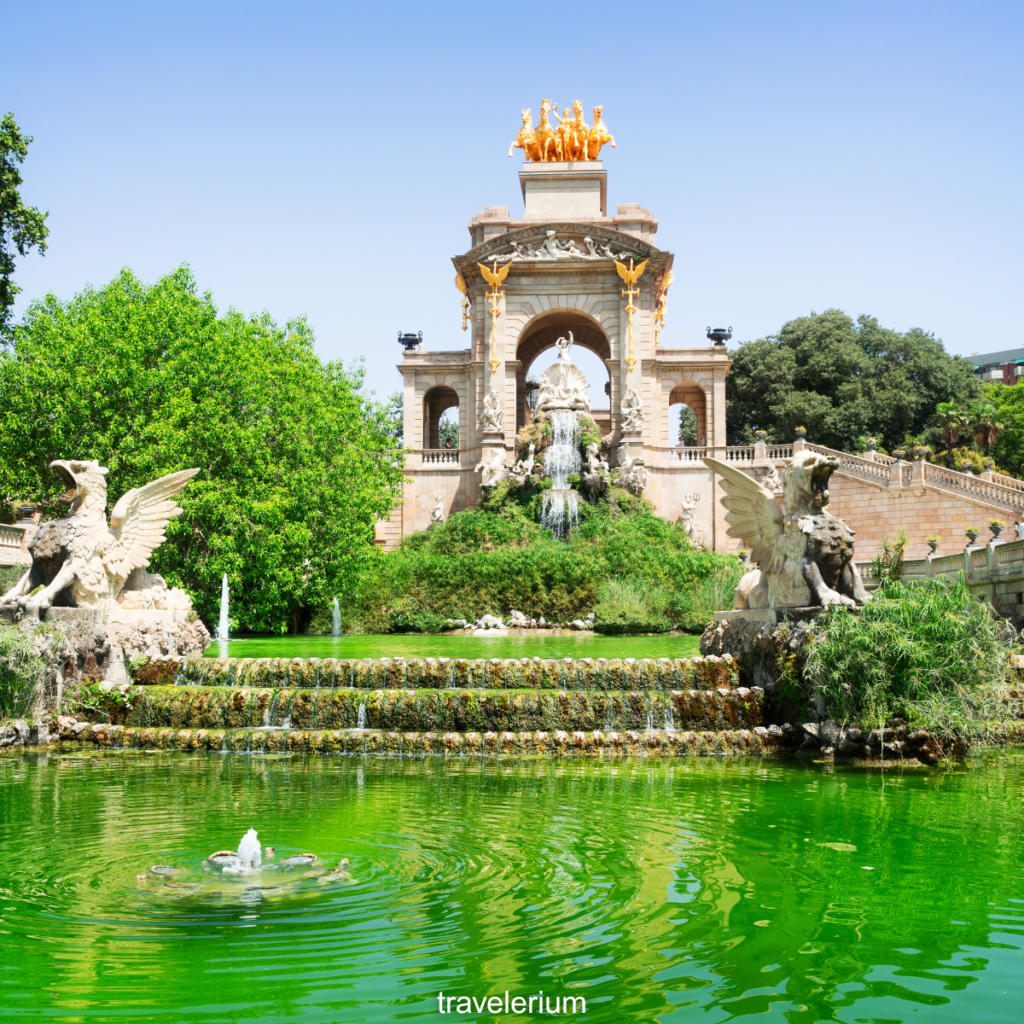
Rent a rowboat on the lake, admire the Cascada Monumental fountain (where Gaudí worked as a student assistant), visit the quirky Castell dels Tres Dragons (closed but impressive exterior), or simply relax on the grass.
The park houses the Barcelona Zoo if traveling with children, and the Catalan Parliament building occupies the former arsenal.
Exit through the Arc de Triomf, built as the entrance to the 1888 Universal Exposition. This red-brick arch is less famous than Paris’s but distinctly Barcelona with its Moorish revival style and intricate decoration.
Late Afternoon: Beach Time
Head to the beach for the late afternoon. Barceloneta Beach is most famous but crowded. Walk northeast toward Bogatell or Mar Bella beaches for a more local vibe and cleaner sand.
Rent loungers (around €7-8), swim in the Mediterranean, or simply walk the boardwalk. The W Hotel (nicknamed “Hotel Vela” for its sail shape) provides a striking modern landmark.
Beach warning: Watch your belongings. Petty theft happens frequently, especially at crowded Barceloneta. Don’t bring valuables and keep phones/wallets secure.
Evening: Seafood Dinner in Barceloneta
While the beachfront restaurants are generally overpriced and mediocre, venture into Barceloneta’s streets for authentic seafood restaurants where locals eat.
Can Maño serves generous portions of fresh seafood at reasonable prices (cash only, no reservations, arrive before 8 PM). Barraca offers upscale paella with beachfront seating. Cal Chusco provides unpretentious neighborhood atmosphere with excellent grilled fish.
After dinner, enjoy cocktails at a beach bar—Opium or Shôko for upscale clubbing atmosphere, or the more relaxed Chiringuito beach bars for casual drinks with sand between your toes.
Day 5: Day Trip or Alternative Barcelona
For your fifth day, choose between a day trip from Barcelona or exploring neighborhoods you haven’t yet visited.
Option A: Montserrat Day Trip
Montserrat, the spectacular mountain monastery 50km northwest of Barcelona, makes an unforgettable day trip. The serrated “saw mountain” (montserrat in Catalan) rises dramatically from the plains.
Take the R5 train from Plaça Espanya to Monistrol de Montserrat (hourly, 1.5 hours, €22 return with cable car or rack railway). The cable car (Aeri de Montserrat) or rack railway (Cremallera) takes you up the mountain—both offer stunning views.
The Santa Maria de Montserrat Abbey houses the famous Black Madonna (La Moreneta), Catalonia’s patron saint. Queue to see and touch her (mornings are less crowded). The boys’ choir (Escolania) performs at 1 PM on weekdays and noon on Sundays (except July-August and holidays)—hauntingly beautiful.
Hike to Sant Jeroni (Montserrat’s highest peak, 1,236m) for incredible views—about 2 hours round trip from the monastery. Less strenuous: take the Sant Joan funicular partway up and explore shorter trails.
Visit the museum (€7), which surprisingly includes works by Caravaggio, El Greco, Monet, and Picasso alongside religious art.
Return to Barcelona by late afternoon (last cable car down around 6-7 PM depending on season). This full-day excursion provides mountain scenery completely different from Barcelona’s urban beaches.
Option B: Girona and Costa Brava
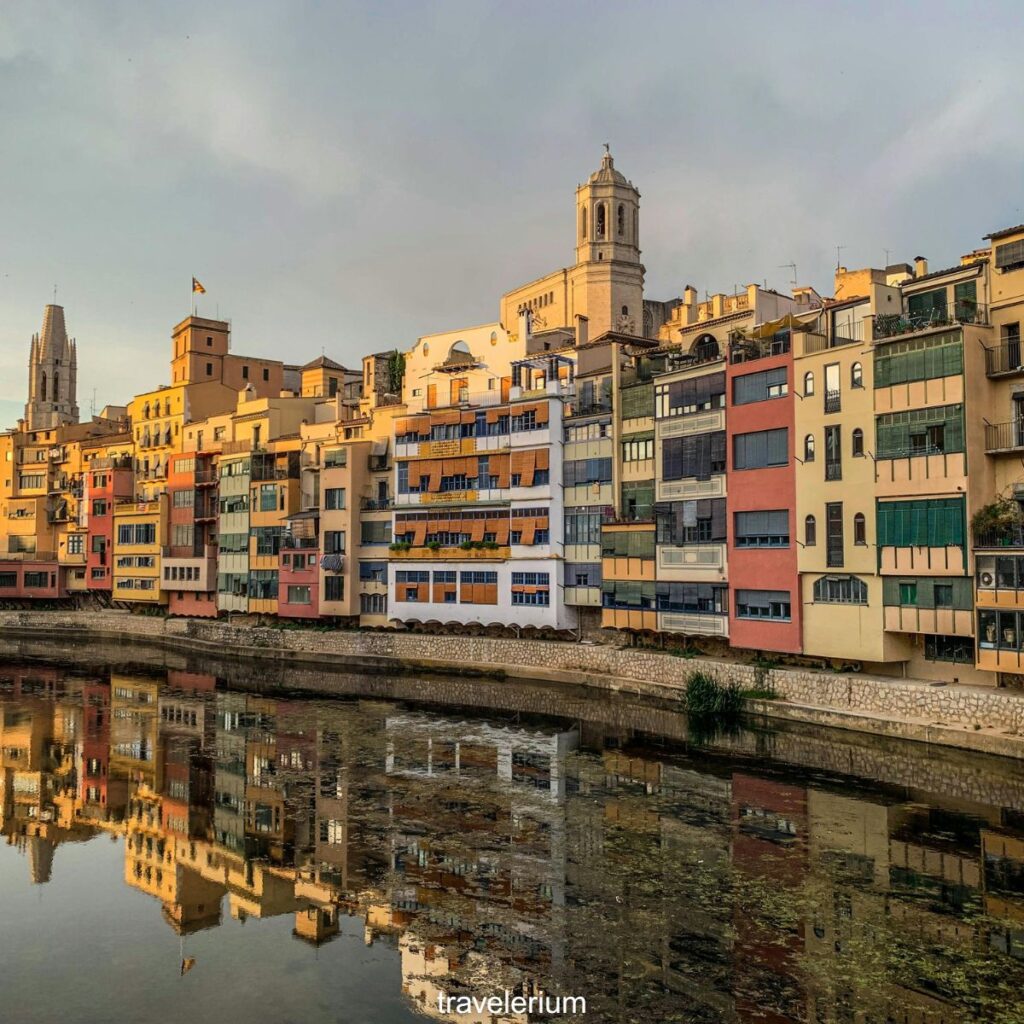
For a different day trip, visit Girona (40 minutes by high-speed train, from €15 each way). This medieval city features:
- Game of Thrones filming locations (the Sept, Braavos, King’s Landing scenes)
- Beautiful Jewish Quarter with atmospheric stone streets
- Cathedral with the world’s widest Gothic nave
- Colorful houses along the Onyar River
- Arab Baths (12th-century Romanesque bathhouse)
From Girona, you could continue to Costa Brava beaches like Calella de Palafrugell or Tossa de Mar if you have a car, though this makes for a very long day.
Book Your Day Trips from Barcelona Today
Option C: Figueres and Dalí Theatre-Museum
Salvador Dalí fans should visit Figueres (2 hours by train, €15-30 each way) to see the Dalí Theatre-Museum (€14), the world’s largest surrealist object. Dalí designed this museum himself, and it’s wonderfully bizarre—fitting for the eccentric artist. His crypt is here as well.
The museum requires 2-3 hours. Combine with exploring Figueres’ old town, or make a detour to Cadaqués (Dalí’s coastal home) if you have a car and a full day.
Option D: Explore More Barcelona Neighborhoods
If you prefer staying in the city, dedicate day five to neighborhoods you haven’t fully explored:
Gràcia: This former independent village maintains its bohemian character. Wander from plaza to plaza—Plaça del Sol, Plaça de la Vila de Gràcia, Plaça de la Virreina. Each has its personality and terrace cafés. Visit during late August for the Festa Major de Gràcia when streets are elaborately decorated.
Sarrià: An upscale residential neighborhood with village atmosphere, markets, and peaceful streets. Perfect for experiencing local Barcelona away from tourists.
Poblenou: The “hipster” district with a gritty-cool vibe. Former industrial area turned creative hub with galleries, design studios, and innovative restaurants. The Rambla del Poblenou leads to Bogatell beach.
Hospital de Sant Pau: This UNESCO-listed modernist hospital complex by Lluís Domènech i Montaner (€15) is stunning—colorful pavilions connected by underground tunnels, with intricate decorative details. Less crowded than Gaudí sites but equally impressive.
Bunkers del Carmel: Free viewpoint offering the best panoramic views of Barcelona. These Spanish Civil War anti-aircraft bunkers are now a popular sunset spot. Expect crowds at sunset but absolutely worth the steep climb. Take metro to Alfons X or El Carmel, then hike up (30 minutes) or taxi to nearby.
Evening: Flamenco Show and Farewell Dinner
End your Barcelona 5 day itinerary with a flamenco performance. While flamenco originates from Andalusia, not Catalonia, Barcelona offers quality shows:
- Palau de la Música Catalana: This UNESCO-listed modernist concert hall (tour €20) by Lluís Domènech i Montaner is an architectural masterpiece. Attending a concert here—whether flamenco, classical, or other—is magical. Book tickets well in advance.
- Tablao Flamenco Cordobés on Las Ramblas: Touristy but professional performances with optional dinner packages.
- Palacio del Flamenco: More intimate venue with authentic performers.
- Tarantos in Plaça Reial: Small, traditional tablao with short shows at accessible prices.
For your farewell dinner, splurge at a special restaurant:
- Disfrutar (three Michelin stars): Creative tasting menus by elBulli alumni (book months ahead)
- Cinc Sentits (one Michelin star): Contemporary Catalan cuisine, more accessible booking
- Moments at Mandarin Oriental (two Michelin stars): Carme Ruscalleda’s sophisticated Catalan cooking
- Can Culleretes: Barcelona’s oldest restaurant (since 1786) for traditional Catalan in historic setting—no Michelin stars but tons of atmosphere
Or return to a neighborhood that captured your heart and find a cozy spot for your final meal.
Where to Stay in Barcelona
Your accommodation choice significantly impacts your experience. Here’s a neighborhood breakdown for your one week Barcelona itinerary:
- Gothic Quarter (Barri Gòtic): Central location, atmospheric medieval streets, endless restaurants and bars. Can be noisy at night, touristy, and pricey. Best for first-time visitors who want to be in the thick of things.
- El Born: Similar to Gothic Quarter but slightly less touristy, trendier restaurants and boutiques. Excellent food scene. Can still be crowded and noisy.
- Eixample: Upscale neighborhood with modernist architecture, shopping, and dining. The Right (Dreta) side is more traditional, while the Left (Esquerra) is trendier and LGBTQ+-friendly (Gaixample area). Well-connected by metro, more spacious than old town, but less atmospheric. Good for repeat visitors or those wanting comfort and easy access.
- Gràcia: Charming village-like neighborhood with local feel, great for experiencing authentic Barcelona life. Excellent restaurants and cafés, more affordable than central areas. Slightly farther from major sights but well-connected by metro.
- Barceloneta: Beach proximity is the main draw. Can be noisy, touristy in summer, fewer dining options, and farther from major sights. Best for beach lovers willing to commute to attractions.
- Poblenou: Up-and-coming area near beaches with local atmosphere. Good for longer stays or repeat visitors wanting to experience residential Barcelona. Slightly removed from main attractions.
- Raval: Increasingly gentrified but still gritty in parts. More affordable, multicultural, with interesting restaurants and bars. Some areas feel unsafe at night. Not recommended for first-timers.
- Budget: Hostels in Gothic Quarter or Raval (€20-40/night for dorms, €60-100 for private rooms) Mid-range: Boutique hotels in El Born or Eixample (€100-200/night) Luxury: Five-star hotels in Eixample or Ciutat Vella (€250-500+/night)
Book accommodations well in advance, especially for summer or during major events. Consider apartment rentals for groups or longer stays, though Barcelona has strict regulations on tourist apartments.
Check Prices & Availability for Accommodation in Barcelona
What to Eat in Barcelona: Culinary Guide
Barcelona’s food scene blends traditional Catalan cuisine with innovative gastronomy. Here’s what you need to know for your Barcelona 5 day itinerary:
Essential Catalan Dishes
Pa amb tomàquet: Bread rubbed with tomato, olive oil, and salt—simple but essential. Served as a side or base for toppings.
- Escalivada: Roasted vegetables (eggplant, red peppers, onions) served cold with olive oil.
- Esqueixada: Salted cod salad with tomatoes, onions, and peppers—refreshing summer dish.
- Butifarra amb mongetes: Catalan sausage with white beans—hearty and traditional.
- Suquet: Fish stew with potatoes in saffron broth—Catalan comfort food.
- Arròs negre: Black rice cooked in squid ink with seafood—dramatic and delicious.
- Paella: Though Valencian not Catalan, Barcelona does excellent paella. Look for restaurants where locals eat, avoid tourist traps.
- Fideuà: Similar to paella but with short noodles instead of rice, typically seafood.
- Calçots amb romesco: Spring onions grilled over flames, served with romesco sauce (almonds, hazelnuts, red peppers, olive oil). Seasonal, typically January-April.
- Crema catalana: Catalan custard with caramelized sugar—like crème brûlée but with citrus and cinnamon.
Tapas Culture
Barcelona’s tapas scene is excellent, though remember that Catalonia calls them tapes and has its own style:
- Pintxos/Pinchos: Small bites on bread, Basque-style, common in many Barcelona bars.
- Bombas: Fried potato balls with spicy sauce and aioli—invented in Barceloneta.
- Patatas bravas: Fried potatoes with spicy tomato sauce and aioli—Barcelona-style uses both sauces.
- Pan con tomate y jamón: Pa amb tomàquet topped with jamón ibérico—simple perfection.
- Chipirones/Calamares: Baby squid or calamari, grilled or fried.
- Croquetas: Creamy béchamel filling (often ham, cod, or mushroom) breaded and fried.
- Pulpo a la gallega: Galician-style octopus with paprika and olive oil.
- Boquerones/Anchoas: Anchovies, fresh or marinated—Barcelona’s are excellent.
Where and When to Eat
- Breakfast (8-10 AM): Light—coffee with croissant or pa amb tomàquet. Many hotels include breakfast, or stop at a café.
- Lunch (2-4 PM): Main meal for locals. Many restaurants offer menú del día—three courses plus drink for €10-20. Excellent value but often only available weekdays.
- Afternoon snack (5-7 PM): Coffee and pastry, or hit bars opening for early tapas.
- Dinner (9-11 PM): Spaniards eat late. Restaurants open around 8-8:30 PM but won’t be busy until 9-10 PM. Tourists eating at 7 PM stick out.
- Tipping: Not obligatory but appreciated. Round up or leave 5-10% for good service. Many places include service charge.
- Reservations: Essential for popular restaurants, especially dinner. Book several days ahead, or weeks for high-end places.
Markets to Visit
- La Boqueria: Famous but touristy. Go for the experience, but prices are higher and quality varies. The fruit smoothies at the entrance are overpriced.
- Mercat de Santa Caterina: Excellent market in El Born with stunning wavy roof. More local feel, great produce, and seafood.
- Mercat de Sant Antoni: Recently renovated, beautiful architecture, authentic neighborhood market.
- Mercat de la Llibertat: In Gràcia, completely local, no tourists—real Barcelona market experience.
Drinks to Try
- Cava: Catalan sparkling wine—Spain’s answer to champagne. Many affordable quality options.
- Vermouth (Vermut): Having vermouth with olives and potato chips on Sunday before lunch is a Barcelona tradition.
- Clara: Beer mixed with lemon soda—refreshing in summer.
- Agua de Valencia: Orange juice, cava, vodka, and gin—brunch cocktail from Valencia popular in Barcelona.
- Orxata (Horchata): Tiger nut milk—sweet, refreshing, traditionally Valencian but available in Barcelona.
- Café amb gel: Coffee with ice—summer drink in Catalonia.
Barcelona Culture and Practical Tips
Language
Barcelona is bilingual—Catalan and Spanish. Catalan is the primary language for locals, though everyone speaks Spanish. English is widely spoken in tourist areas, hotels, and restaurants, but less so in local neighborhoods or with older generations.
Basic Catalan phrases:
- Hello: Hola
- Please: Si us plau
- Thank you: Gràcies (GRAH-see-es)
- Goodbye: Adéu
- Good morning: Bon dia
- Good afternoon: Bona tarda
- Excuse me: Perdoni
Locals appreciate any attempt at Catalan, even if they respond in Spanish or English. The Catalan-Spanish linguistic situation has political dimensions—be respectful and avoid calling Catalan a “dialect” (it’s a distinct language).
Safety
Barcelona is generally safe but has a significant pickpocketing problem. Tourist areas, metro, Las Ramblas, and beaches are hotspots.
Safety tips:
- Use anti-theft bags or keep valuables in front pockets
- Don’t leave phones on tables or bags on chair backs
- Watch for distraction techniques (someone asking directions while accomplice steals)
- Avoid empty metro cars—there’s usually a reason they’re empty
- Don’t wear expensive jewelry or flash cash
- Be extra vigilant in crowds
- Leave passports in hotel safes, carry copies
- Use ATMs inside banks during business hours
- Avoid dark, empty streets late at night, especially in Raval
Violent crime against tourists is rare. Stay aware, and you’ll likely have no problems.
Cultural Etiquette
- Meal times: Adapt to Spanish schedules. Restaurants serving dinner at 6 PM are targeting tourists and often lower quality.
- Siesta: Some shops close 2-5 PM, though this is less common in tourist areas. Plan accordingly.
- Dress code: Barcelona is stylish but relaxed. Locals dress well but not formally. Cover shoulders and knees for churches. Swimwear only at the beach—walking around the city in swimsuits and no shirt is frowned upon.
- Greetings: Kiss on both cheeks (right then left) is standard for acquaintances, even in business. Handshakes for formal introductions.
- Volume: Spaniards are animated conversationalists, but Barcelona is quieter than southern Spain. Still, expect lively restaurants and street life.
- Smoking: Banned indoors. Common on outdoor terraces.
- Beach etiquette: Topless sunbathing is common and legal. Nudity is illegal except at designated beaches (Mar Bella has a nude section). Don’t take photos of other beachgoers.
Catalan Identity
Understanding Catalonia’s distinct identity enriches your visit. Catalans have their own language, culture, traditions, and history. The region has complex political relationships with Spain, with ongoing debates about independence.
- Catalan pride: You’ll see Catalan flags (yellow and red stripes) and esteladas (independence flags with blue triangle and star). The September 11 Catalan National Day commemorates defeat in 1714.
- Traditions: Human towers (castells), sardana dancing, Sant Jordi’s Day (April 23—books and roses), La Mercè festival (September), and Three Kings Day (January 6) instead of Santa Claus.
- Barça: FC Barcelona is “more than a club”—it’s a symbol of Catalan identity. Camp Nou tours (€28) are popular, or attend a match if your dates align.
Be respectful of Catalan culture. Don’t assume everything is “Spanish”—many Catalans strongly identify as Catalan first. Avoid political debates unless invited, and never compare Catalonia unfavorably to other Spanish regions.
Money Matters
Currency: Euro (€). Spain uses coins for €2 and under, notes from €5 up.
ATMs: Widely available. Use bank ATMs rather than independent machines to avoid high fees. Your bank likely charges foreign transaction fees—check before traveling or get a travel-friendly card.
Credit cards: Widely accepted, though some small businesses prefer cash. Contactless payment is common. Visa and Mastercard work everywhere; American Express less so.
Costs: Barcelona is moderately expensive by European standards, cheaper than London or Paris but pricier than southern Spain.
- Budget: €50-80/day (hostel, cheap eats, free attractions)
- Mid-range: €120-200/day (modest hotel, restaurant meals, paid attractions)
- Luxury: €300+/day (upscale hotel, fine dining, private tours)
Mobile and Internet
SIM cards: Available at phone shops and convenience stores. Orange, Vodafone, and Movistar are major carriers. Tourist SIM cards with data cost €10-30 for 1-4 weeks.
WiFi: Free in most hotels, cafés, and restaurants. Barcelona has public WiFi network (Barcelona WiFi) in many squares and municipal buildings.
Apps: Download offline maps (Google Maps, Maps.me), TMB app for public transport, TheFork for restaurant reservations, GetYourGuide or TiqTets for attraction tickets.
Best Photo Spots
Your Barcelona 5 day itinerary will be Instagram-worthy. Don’t miss these photo opportunities:
- Sagrada Familia interior with colored light
- Park Güell mosaic salamander and curvy bench
- Casa Batlló facade at night (beautifully lit)
- Gothic Quarter narrow streets and hidden squares
- Cathedral cloisters with geese
- Bunkers del Carmel panoramic sunset
- Barceloneta beach at golden hour
- Picturesque corners of El Born
- Arc de Triomf
- MNAC terrace overlooking Plaça d’Espanya
- Las Ramblas flower stalls
- Montjuïc cable car views
- Labyrinth Park (if you have extra time)
Photography tips: Morning light is best for exteriors. Sagrada Familia’s interior is most colorful mid-morning (east side) and afternoon (west side). Arrive early to major attractions for fewer people in shots. Golden hour (hour before sunset) is magical for beach and city views.
Extending Your Stay: 6-7 Days in Barcelona
If you’re planning a one week Barcelona itinerary, you have wonderful options for days six and seven:
Day 6 Options
Option 1: Sitges Beach Town
Just 40 minutes by train from Barcelona (€4.60 each way), Sitges is a charming Mediterranean beach town perfect for a relaxed day trip.
This former fishing village turned upscale resort offers:
- 17 beaches ranging from family-friendly to quieter coves
- Picturesque old town with whitewashed buildings and narrow streets
- Seafront promenade (Passeig Marítim) lined with restaurants and bars
- Cau Ferrat Museum showcasing modernist art and Santiago Rusiñol’s former home
- LGBTQ+-friendly atmosphere—Sitges has been a gay-friendly destination for decades
- Carnival (if visiting in February/March)—one of Spain’s most famous
Spend the day swimming, sunbathing, wandering the old quarter, and enjoying leisurely seafood lunches. The last train back is around 10-11 PM, allowing for sunset drinks.
Option 2: Tibidabo and Collserola
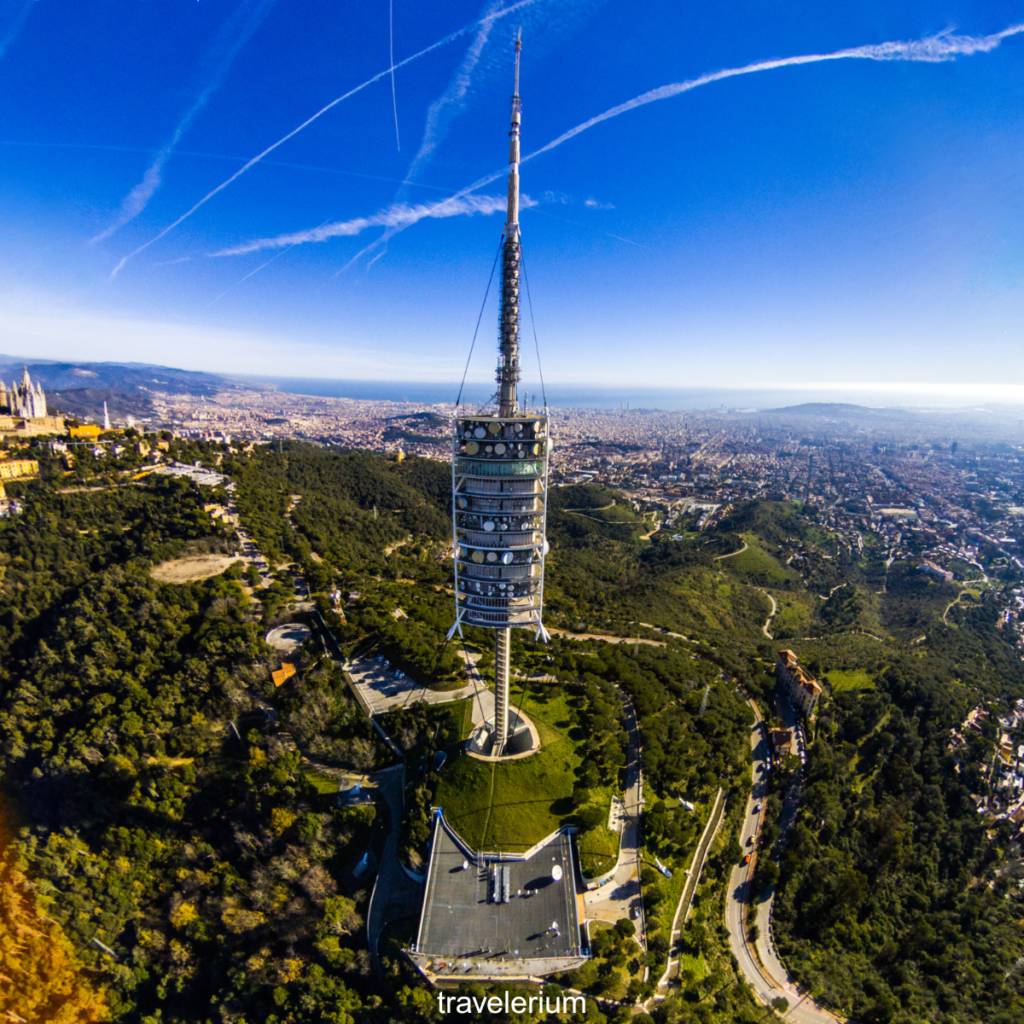
Experience Barcelona from above with a trip to Tibidabo, the mountain overlooking the city.
Take the FGC train to Avinguda Tibidabo, then the historic Tramvia Blau (blue tram) and funicular to the summit. At the top you’ll find:
- Temple Expiatori del Sagrat Cor: Neo-Gothic church with Christ statue on top, similar to Rio’s Christ the Redeemer
- Tibidabo Amusement Park (€28.50): Historic park from 1901 with vintage rides and modern attractions, spectacular views
- Torre de Collserola: Norman Foster-designed communications tower with observation deck (€5.60)
- Hiking trails through Collserola Natural Park
The views are breathtaking—on clear days you can see Montserrat, the Pyrenees, and across the Mediterranean.
Combine this with exploring Sarrià neighborhood at the mountain’s base for lunch—charming village atmosphere with excellent markets and restaurants.
Option 3: Camp Nou and Football Experience
Football fans should dedicate time to Camp Nou, FC Barcelona’s legendary stadium.
The Camp Nou Experience (€28) includes:
- Museum with trophies, history, and interactive displays
- Stadium tour including pitch-side, players’ tunnel, press room, and commentary boxes
- Chance to see Messi’s shoes, historic jerseys, and club memorabilia
With renovations ongoing (completion expected 2025-2026), check current access. Barça temporarily plays at Olympic Stadium during major construction phases.
If your dates align with a match, attending a game is unforgettable (tickets €40-300+). Book through official channels well in advance for big matches. The atmosphere, especially for El Clásico against Real Madrid, is electric.
Combine with shopping at L’Illa Diagonal mall or exploring the upscale Pedralbes neighborhood nearby, including the Pedralbes Monastery (Gothic cloister and royal palace).
Option 4: Modernism Route
Dive deeper into Barcelona’s modernist architecture beyond Gaudí:
Sant Pau Recinte Modernista (€15): Already mentioned but worth a full visit. This UNESCO site by Lluís Domènech i Montaner is a masterpiece of Catalan modernism. The colorful pavilions, intricate tilework, and underground tunnels connecting buildings showcase modernism’s ambition to create beautiful, functional spaces.
Palau de la Música Catalana (€20 tour): Another Domènech i Montaner masterpiece. The concert hall’s interior is overwhelming—stained glass skylight, ornate columns, sculptures, and mosaics. Tours run every 30 minutes. Better yet, attend a concert (check schedule and book ahead).
Casa Vicens (€16): Gaudí’s first house commission, recently opened to the public. The Moorish-influenced design with colorful tiles shows his early style. Less crowded than other Gaudí sites.
Casa Amatller (€24 with guide): Next to Casa Batlló, designed by Josep Puig i Cadafalch. The chocolate-making Amatller family’s former home features Gothic and Flemish influences. Excellent guided tours explain modernism’s context.
Recinte Modernista de Sant Pau + Palau de la Música combo tickets often available at discounts.
Day 7 Options
Option 1: Tarragona Roman Ruins
Tarragona, 90 minutes south by train (€10-20 each way), was the ancient Roman capital of Hispania. This UNESCO World Heritage city offers:
- Roman Amphitheatre: Overlooking the Mediterranean, where gladiators fought and Christians were martyred
- Roman Circus: Chariot-racing arena beneath the modern city
- Roman Walls: Walk atop 2,000-year-old fortifications
- Archaeological Museum: Exceptional Roman mosaics and artifacts
- Cathedral: Built on the site of a Roman temple, blending Romanesque and Gothic styles
- Medieval old town: Beautiful plazas and narrow streets
- Mediterranean balcony (Balcó del Mediterrani): Viewpoint over the sea
Tarragona is less touristy than Barcelona, offering authentic Spanish coastal life. Enjoy calçotada (seasonal grilled spring onions) if visiting January-April, or excellent seafood year-round.
Option 2: Wine Tasting in Penedès
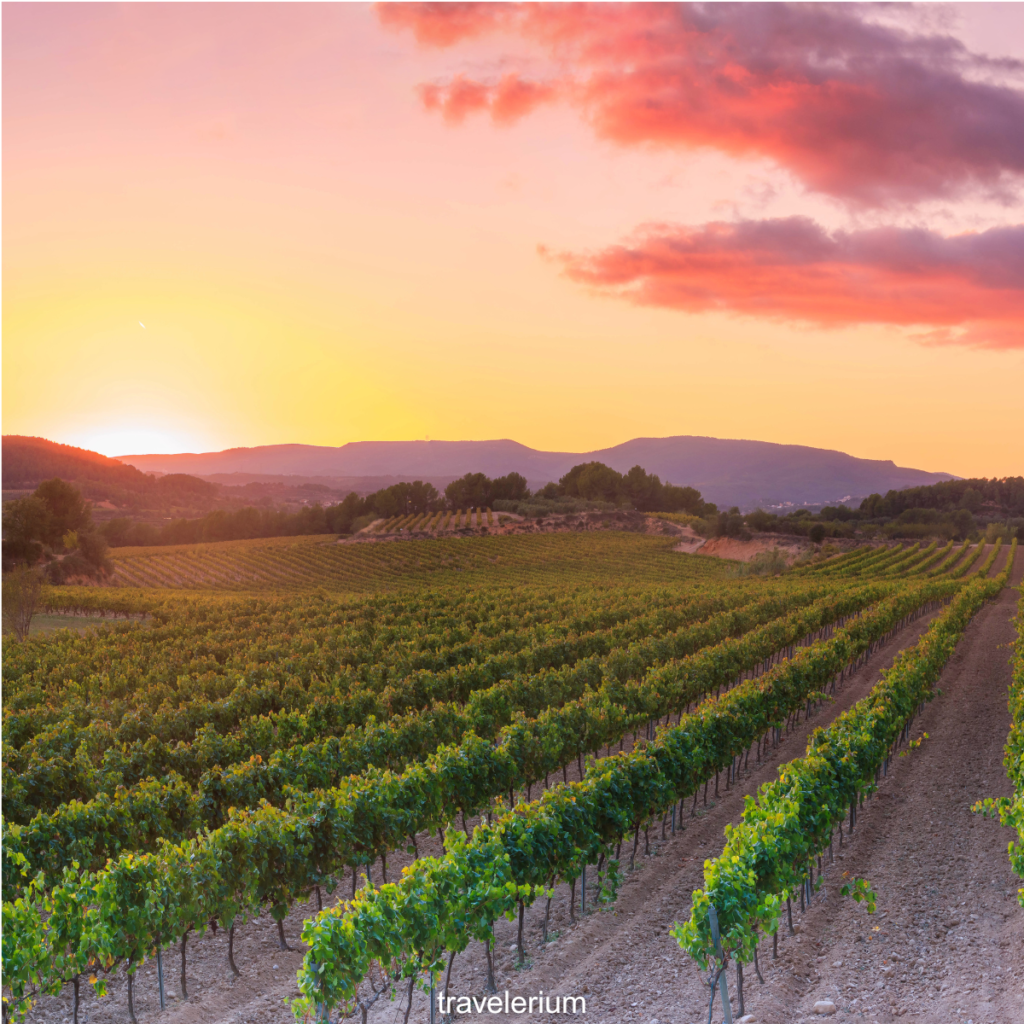
The Penedès wine region, 45-60 minutes from Barcelona, produces most of Spain’s cava and excellent still wines.
Many wineries offer tours and tastings:
- Codorníu: Historic cava producer with stunning modernist cellars by Puig i Cadafalch, extensive underground caves, and comprehensive tours (€10-25)
- Freixenet: Codorníu’s main rival, equally impressive facilities, often included in organized tours
- Torres: Famous wine producer with vineyard tours, tastings, and museum (€12-40 depending on experience)
- Jean Leon: Boutique winery founded by Hollywood restaurateur, intimate tours (reserve ahead)
Organized tours from Barcelona (€50-100) include transport, multiple wineries, and lunch. Alternatively, rent a car for flexibility or take trains to Sant Sadurní d’Anoia (the cava capital) and arrange winery visits independently.
Combine with visiting Vilafranca del Penedès (wine museum and pleasant town) or the hilltop monastery of Montserrat on return.
Option 3: Costa Brava Beaches and Villages
Rent a car or join a tour to explore the stunning Costa Brava coastline north of Barcelona:
- Tossa de Mar (90 minutes): Medieval walled town on a promontory, beautiful beaches, crystal-clear water, and picturesque old quarter
- Calella de Palafrugell (2 hours): Whitewashed fishing village with coves, coastal path, and authentic atmosphere
- Begur (2 hours): Hilltop town with castle ruins, medieval streets, and access to hidden cove beaches
- Cadaqués (2.5 hours): Remote whitewashed village where Dalí lived, artistic atmosphere, stunning coastal setting (visit Dalí’s house in Portlligat, €12, book ahead)
- Palamós (1.5 hours): Working fishing port, famous for prawns, excellent seafood restaurants, and fish market
- The Camí de Ronda coastal path connects many villages, offering spectacular hiking with sea views.
This requires a full day and ideally a car. Organized tours available but rushed. Consider making it a two-day trip with overnight stay if possible.
Option 4: Relaxation and Local Life
After six days of intense sightseeing, enjoy Barcelona at a slower pace:
Morning: Sleep in, have a leisurely breakfast, then visit Parc del Laberint d’Horta (€2.35), Barcelona’s oldest garden with a romantic hedge maze, neoclassical pavilions, and peaceful atmosphere. Few tourists discover this gem.
Late Morning: Explore Sarrià, the upscale neighborhood with village charm. Visit the Wednesday and Saturday market at Plaça Sarrià, wander residential streets, and stop for coffee at a neighborhood café.
Lunch: Return to your favorite neighborhood for a long menú del día lunch, trying dishes you missed earlier.
Afternoon: Book a hammam spa experience at Aire de Barcelona (€45-90) in El Born—relax in Arab-style baths with various temperature pools, steam rooms, and optional massages. Perfect for sore feet after days of walking.
Alternatively, take a cooking class (€60-100) learning to make paella, tapas, or traditional Catalan dishes. Many include market tours. Companies like Barcelona Cooking and Cook & Taste offer excellent experiences.
Evening: Attend a concert at Palau de la Música Catalana or another venue. Check schedules for classical, jazz, or flamenco performances.
Have a final dinner at a restaurant you’ve been wanting to try, perhaps splurging on Michelin-starred dining or returning to a favorite local spot.
Night: Experience Barcelona’s famous nightlife. The city comes alive after midnight. Options include:
- Beach clubs along Barceloneta for dancing with sand and sea
- Port Olímpic for mainstream clubs and bars
- El Born for cocktail bars and intimate venues
- El Raval for alternative music and dive bars
- Gràcia for local bars in plazas
- Eixample (Gaixample) for LGBTQ+ nightlife
Clubs don’t get busy until 1-2 AM and stay open until 5-6 AM. Admission ranges from free to €20, often including a drink.
Seasonal Considerations
Your experience varies significantly by season:
Spring (March-May)
- Pros: Pleasant temperatures (15-22°C), fewer crowds than summer, flowers blooming in parks, outdoor cafés opening, Sant Jordi’s Day (April 23) celebration
- Cons: Occasional rain, cooler evenings, sea too cold for swimming (except hardy locals)
- What to pack: Layers, light jacket, umbrella, comfortable walking shoes
- Special events: Sant Jordi (books and roses festival), Barcelona Open tennis (April), Sant Ponç medicinal herb fair (May)
Summer (June-August)
- Pros: Beach weather, longest days, vibrant atmosphere, outdoor concerts and festivals, best swimming conditions
- Cons: Peak crowds, highest prices, intense heat (often 28-35°C), some locals leave for vacation, tourist traps in full swing
- What to pack: Sunscreen, hat, sunglasses, light breathable clothing, swimwear, evening layer (restaurants can be air-conditioned)
- Special events: Sónar music festival (June), Sant Joan (June 23-24) midsummer celebration with fireworks and beach parties, Grec Festival performing arts (July-August)
Fall (September-November)
- Pros: Warm but comfortable temperatures, reduced crowds after August, sea still warm for swimming early fall, harvest season, La Mercè festival
- Cons: More expensive than spring, increasing rain in November, shorter days
- What to pack: Similar to spring—layers, light jacket, umbrella for November
- Special events: La Mercè (September 24) Barcelona’s biggest festival with parades, concerts, fireworks, human towers, and correfoc (fire run)
Winter (December-February)
- Pros: Fewest tourists, lowest prices, Christmas markets and decorations, Three Kings parade (January 5), mild temperatures (10-15°C)
- Cons: Shorter days, cooler weather, some attractions have reduced hours, occasional cold rain, no beach weather
- What to pack: Warm jacket, layers, umbrella, closed-toe shoes
- Special events: Christmas markets, Three Kings (Epiphany) on January 6, Carnival (February/March) especially in Sitges
- Best overall: May-June or September-October offer the ideal balance of weather, crowds, and value.
Sample Budget Breakdown
Budget Traveler (€50-80/day)
- Accommodation: €25-40 (hostel dorm or budget hotel)
- Food: €20-30 (supermarket breakfast, menú del día lunch, budget dinner)
- Transport: €5-10 (metro tickets, walking)
- Attractions: €10-15 (one paid attraction, many free options)
- Total: €60-95/day
Tips:
- Stay in hostels in Raval or Gothic Quarter
- Shop at Mercadona or Caprabo supermarkets
- Take advantage of free museum hours and free attractions (beaches, parks, Gothic Quarter wandering)
- Eat menú del día for lunch (better value than dinner)
- Buy picnic supplies at markets
- Walk whenever possible—it’s the best way to see the city
- Book Sagrada Familia and Park Güell tickets in advance (can’t skip these)
- Drink wine or beer at supermarkets before going out
Mid-Range Traveler (€120-200/day)
- Accommodation: €80-120 (3-star hotel or nice Airbnb)
- Food: €40-60 (café breakfast, restaurant lunch and dinner, drinks)
- Transport: €10-15 (metro, occasional taxi)
- Attractions: €25-40 (multiple paid sites)
- Total: €155-235/day
Tips:
- Book boutique hotels in El Born or Eixample
- Mix restaurant meals with market lunches
- Reserve popular restaurants ahead
- Purchase combo tickets for Gaudí sites
- Take guided tours for key attractions
- Enjoy vermouth or wine at neighborhood bars
- Budget for a special dinner or two
Luxury Traveler (€300+/day)
- Accommodation: €200-500+ (4-5 star hotel)
- Food: €100-200+ (hotel breakfast, upscale restaurants, Michelin dining)
- Transport: €30-50 (taxis, private transfers)
- Attractions: €50-100 (skip-the-line tours, private guides)
- Experiences: €100-200 (spa treatments, cooking classes, wine tours)
- Total: €480-1,050+/day
Tips:
- Stay at Hotel Arts, Mandarin Oriental, Cotton House, or similar
- Make reservations at Disfrutar, Moments, Lasarte, or other Michelin restaurants weeks/months ahead
- Book private guides for personalized tours
- Arrange helicopter tours or private yacht experiences
- Skip lines everywhere with VIP tickets
- Enjoy rooftop cocktails and upscale beach clubs
- Consider multi-day wine tours with drivers
Final Tips for Your Barcelona 5 Day Itinerary
Before You Leave Home
Book in advance:
- Sagrada Familia tickets (especially tower access)
- Park Güell timed entry
- Popular restaurants for dinner
- Michelin-starred dining (weeks or months ahead)
- Palau de la Música concerts
- FC Barcelona match tickets (if applicable)
- Cooking classes or wine tours
- Accommodation (especially summer or festivals)
Check current information:
- Museum hours and free admission times
- Sagrada Familia completion status
- Camp Nou renovation schedule
- Strike dates (Spain occasionally has general strikes)
- Festival dates if visiting during La Mercè, Sant Jordi, etc.
- COVID-19 or health requirements (if still applicable in 2026)
Download apps:
- Google Maps (download offline maps)
- TMB (Barcelona public transport)
- Citymapper (navigation)
- TheFork/ElTenedor (restaurant reservations)
- Google Translate (with Catalan and Spanish downloaded)
- XE Currency (if not from Eurozone)
During Your Trip
Pace yourself: Don’t try to see everything. Barcelona rewards leisurely exploration. Build in downtime—long lunches, beach afternoons, wandering without destinations.
Embrace Spanish schedule: Eat when Spaniards eat. Join the paseo (evening stroll). Enjoy late dinners and nightlife. The city’s rhythm is different from Anglo schedules.
Get lost intentionally: Some of Barcelona’s best moments come from wandering narrow streets, stumbling upon hidden plazas, and discovering neighborhood bars locals frequent.
Engage with locals: Despite tourism pressures, many Barcelonans are welcoming. Learn a few Catalan phrases, respect local culture, and venture beyond tourist zones.
Stay flexible: Weather, strikes, unexpected closures, or sheer exhaustion might require plan changes. That’s okay. Barcelona offers abundant alternatives.
Photography balance: Take photos but don’t experience the city through a screen. Put the phone away sometimes and simply absorb the atmosphere.
Avoid scams: Be wary of:
- “Helpful” people at ATMs (distraction while accomplice steals)
- Street games (three-card monte is always a scam)
- Overpriced restaurants on Las Ramblas or beachfront
- Unlicensed taxis (use official taxis or Uber/Cabify/FreeNow apps)
- People offering to “help” with metro tickets (they’ll take your money)
- Bird poop scam (someone sprays liquid on you, then offers to help clean while stealing)
Sustainable tourism: Barcelona struggles with overtourism. Be a responsible visitor:
- Support local businesses over international chains
- Respect residential neighborhoods (noise, behavior)
- Don’t use illegal tourist apartments
- Learn about Catalan culture respectfully
- Avoid contributing to crowds at peak times if possible
- Pick up trash, respect beaches and parks
- Use public transport over taxis when feasible
Health and Safety
Pharmacies: Identified by green crosses, pharmacists can advise on minor ailments and provide medications without prescriptions (many drugs available over-the-counter that require prescriptions elsewhere)
Healthcare: EU citizens should have European Health Insurance Card (EHIC). Non-EU travelers need travel insurance. Public healthcare is excellent. Private clinics include Hospital Clínic and Hospital de Barcelona.
Emergency numbers:
- 112: General emergency (EU standard)
- 061: Medical emergencies
- 080: Fire brigade
- 092: Local police
- 091: National police
Sun protection: Mediterranean sun is strong, even in spring and fall. Wear sunscreen, especially at the beach. Dehydration is common—drink plenty of water.
Food safety: Tap water is safe to drink. Food hygiene standards are high. Upset stomachs usually come from rich food and wine, not contamination.
Adapting This Itinerary
This Barcelona 5 day itinerary provides a framework, but personalize it to your interests:
Art lovers: Add Fundació Antoni Tàpies, MACBA, Fundació Suñol, CaixaForum, or MEAM (European Museum of Modern Art). Consider a day trip to Figueres for the Dalí Museum.
Architecture enthusiasts: Book guided architecture tours, visit more modernist buildings (Casa Lleó Morera, Casa de les Punxes), explore contemporary architecture like Torre Glòries and Mercat de Santa Caterina.
Foodies: Take cooking classes, book more Michelin dining, do tapas tours, visit different markets, arrange wine tastings in Penedès, take a jamón-cutting class.
Beach lovers: Spend more time at beaches (including day trips to Sitges or Costa Brava), try water sports (paddleboarding, sailing), visit beach clubs.
History buffs: Focus on Roman remains, medieval sites, Civil War history (air raid shelters, memorial sites), museum historical collections.
Families with children: Visit Barcelona Zoo, Aquarium, CosmoCaixa science museum, Tibidabo amusement park, Magic Fountain, beaches, Park Güell. Many Gaudí sites fascinate children.
Party people: Research nightlife venues, plan energy for late nights (siesta recommended), explore different nightlife zones, attend beach parties or festivals.
Shoppers: Dedicate time to Passeig de Gràcia boutiques, Portal de l’Àngel department stores, El Born independent shops, La Roca Village outlet mall (outside city).
Day-trip enthusiasts: Reduce Barcelona time to 3-4 days, add overnight trips to Girona, Montserrat, Costa Brava, or even Pyrenees.
Conclusion: Making the Most of Your Barcelona Adventure
Barcelona is a city that reveals itself in layers. Your first impression might be the stunning architecture—Gaudí’s surreal buildings, Gothic cathedrals, and modernist masterpieces at every turn. But spend five days here, and you’ll discover so much more: the Mediterranean lifestyle, the proud Catalan culture, the innovative food scene, the neighborhood rhythms, and the creative energy that permeates everything.
This Barcelona 5 day itinerary balances Barcelona’s greatest hits with authentic experiences. You’ll tick off the must-sees—Sagrada Familia, Park Güell, Gothic Quarter—while also enjoying long lunches in sunny plazas, sunset drinks overlooking the sea, and wandering through neighborhoods where locals actually live.
What to do 5 days Barcelona? The answer isn’t just about monuments and museums, though those are spectacular. It’s about embracing the Spanish concept of sobremesa—lingering at the table long after the meal ends. It’s about following your curiosity down mysterious medieval alleys. It’s about eating dinner at 10 PM and realizing the restaurant is just filling up. It’s about understanding why Catalans take such fierce pride in their distinct identity.
Whether this is your first visit or you’re returning to explore deeper, Barcelona rewards both efficiency and spontaneity. Follow this itinerary’s structure but leave room for serendipity. The best Barcelona moments often can’t be planned—they happen when you take the wrong turn and discover a hidden square, when a local recommends their favorite tapas bar, when you stay for one more glass of cava and watch the city’s nightlife awaken.
Five days gives you enough time to see Barcelona’s highlights without rushing, to develop favorite neighborhoods, to start understanding the Catalan character. It’s enough time to shift from tourist to temporary local, to find that corner café where the barista starts remembering your coffee order.
As you board your flight home, you’ll carry memories of stained glass light in Sagrada Familia, the taste of perfect jamón ibérico, the cooling Mediterranean breeze, the energy of Las Ramblas, and the view from Bunkers del Carmel at sunset. But more importantly, you’ll understand why Barcelona captivates millions of visitors each year—and why so many of them immediately start planning their return.
Fins aviat, Barcelona—see you soon.