
Rising above the city and the sea, Montjuïc is Barcelona’s cultural lung, historical stage, and panoramic balcony all in one. Whether you’re visiting for sweeping views, world-class museums, Olympic history, landscaped gardens, or a romantic sunset stroll, Montjuïc offers an unforgettable experience that blends nature, culture, and history.
This comprehensive visitor’s guide to Montjuïc, Barcelona covers everything you need to plan your trip — from how to get there and what to see, to hidden gems, food spots, seasonal events, and practical travel tips. Whether you have two hours or a full day, Montjuïc is one of Barcelona’s most rewarding areas to explore.
Table of Contents
Where Is Montjuïc?
Montjuïc is a broad hill rising southwest of Barcelona’s city center, between the Gothic Quarter/El Raval area and the Port of Barcelona. Standing at approximately 173 meters above sea level, it’s not a mountain in the traditional sense, but it offers some of the best panoramic views in the city.
The name “Montjuïc” is believed to derive from the medieval Latin Mons Judaicus (Jewish Mountain), as it once housed a Jewish cemetery. Over the centuries, it has evolved into a strategic military site, a cultural center, and today, one of Barcelona’s most beloved public spaces.
Why Visit Montjuïc?
Montjuïc is not just one attraction — it’s a collection of experiences:
- A historic castle overlooking the Mediterranean
- Olympic stadiums and sports facilities from the 1992 Games
- Major art museums and cultural institutions
- Botanical gardens and landscaped parks
- Scenic walking paths and viewpoints
- The iconic Magic Fountain of Montjuïc
- Cable car rides with spectacular views
It’s ideal for travelers who enjoy walking, photography, architecture, history, and relaxing in green spaces away from the dense urban streets of central Barcelona.
How to Get to Montjuïc
One of the best things about Montjuïc is how easy it is to reach.
By Metro
Take Metro Line L3 (Green Line) to:
- Paral·lel Station (for the Montjuïc Funicular)
- Espanya Station (for the Magic Fountain and Palau Nacional area)
Montjuïc Funicular
From Paral·lel metro station, you can transfer directly to the Montjuïc Funicular, which takes you halfway up the hill in just a few minutes.
Montjuïc Cable Car (Telefèric de Montjuïc)
From the funicular station, you can board the cable car that takes you all the way to Montjuïc Castle. This scenic ride offers stunning aerial views of the city and port.
By Bus
Several city buses serve Montjuïc, including routes that stop near the Olympic Stadium and museums.
On Foot
If you enjoy walking, you can hike up from Plaça d’Espanya or from the harbor area. The paths are well-maintained but involve some uphill sections.
By Taxi or Rideshare
Taxis are affordable in Barcelona and can drop you directly at major attractions on Montjuïc.
Top Attractions on Montjuïc
1. Montjuïc Castle (Castell de Montjuïc)
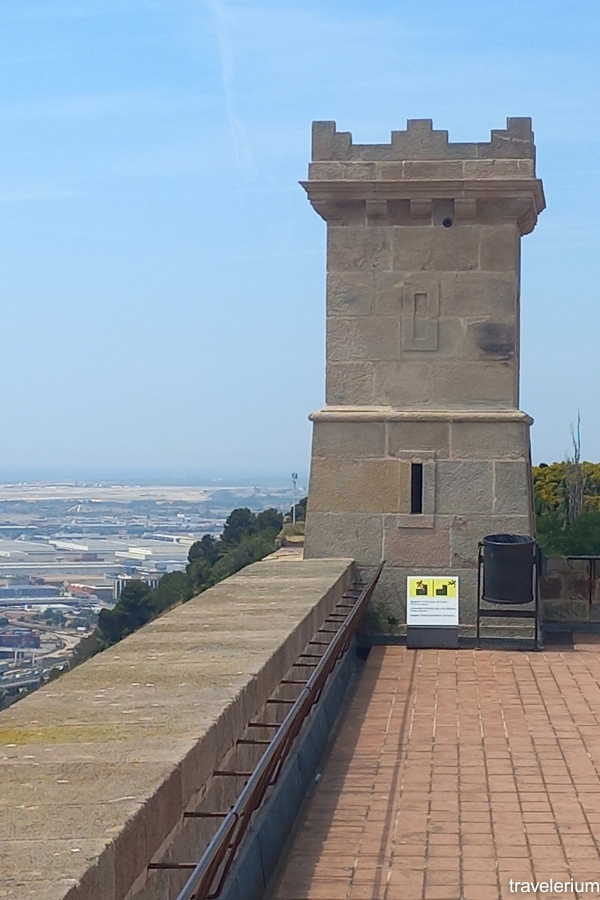
At the summit sits the 17th-century Montjuïc Castle, a former military fortress that has played a significant role in Barcelona’s history.
Originally built in 1640 during the Catalan Revolt, the castle later became a military prison and site of political repression. Today, it serves as a cultural venue and historical monument.
Why visit:
- 360-degree views of Barcelona and the Mediterranean
- Historic ramparts and defensive walls
- Exhibitions about the site’s history
- Peaceful surroundings away from crowds
The views alone make the climb worthwhile — especially at sunset.
2. The Magic Fountain of Montjuïc
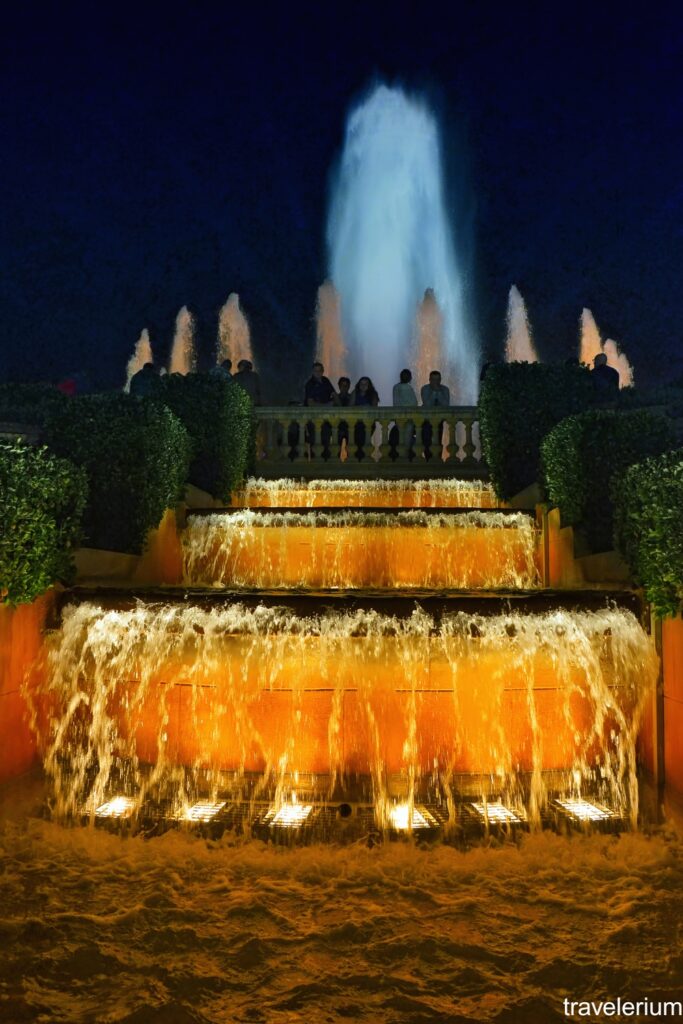
Located at the base of the hill near Plaça d’Espanya, the Magic Fountain (Font Màgica) is one of Barcelona’s most iconic sights.
Built for the 1929 International Exposition, the fountain features choreographed water, light, and music shows.
Important: Show schedules vary by season and weather conditions. Check current operating times before visiting, as performances may be paused during drought conditions or maintenance periods.
Even when not operating, the fountain area offers beautiful nighttime views of the illuminated Palau Nacional.
3. Palau Nacional & Museu Nacional d’Art de Catalunya (MNAC)
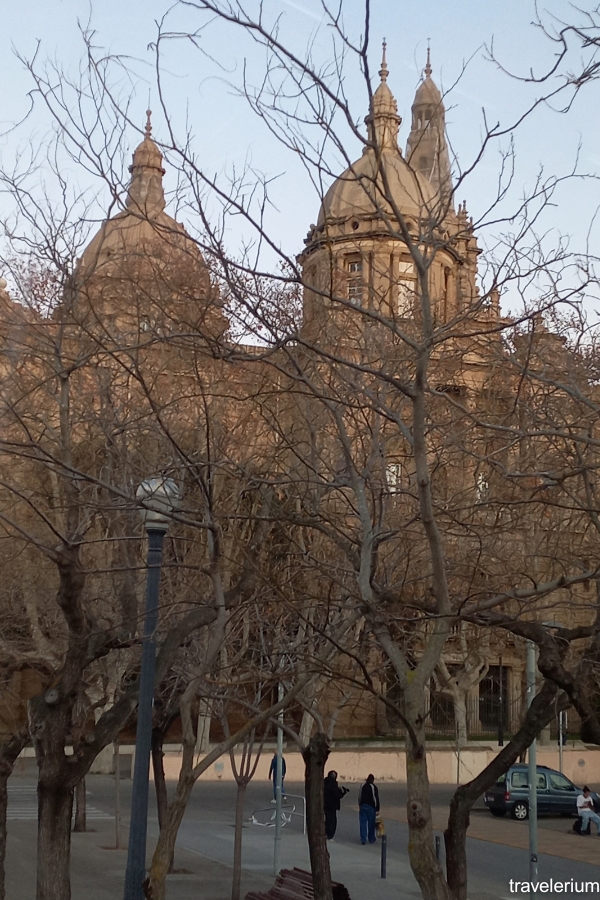
Overlooking the Magic Fountain is the majestic Palau Nacional, home to the National Art Museum of Catalonia (MNAC).
The museum houses:
- Romanesque frescoes
- Gothic and Renaissance art
- Modernist Catalan works
- Photography and decorative arts
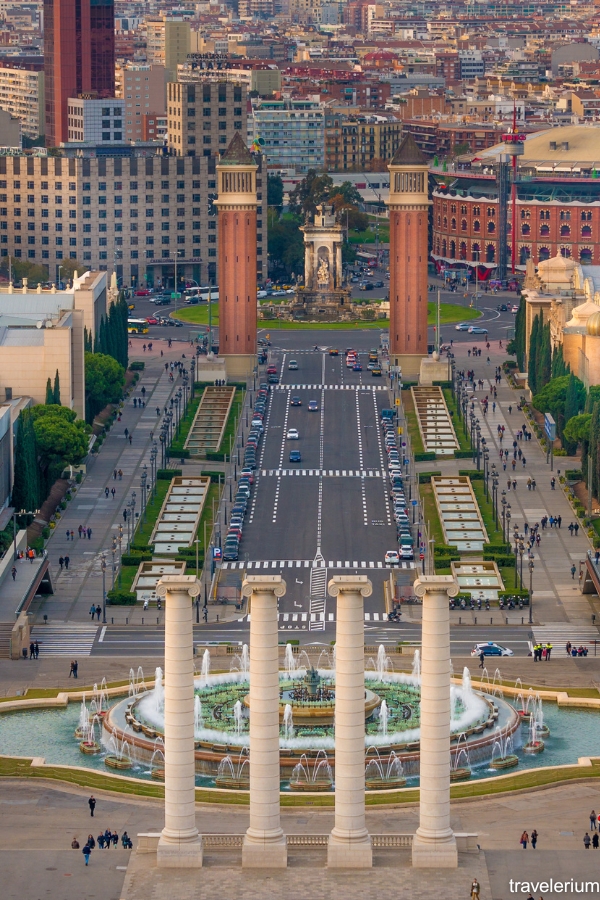
Even if you don’t enter the museum, the terrace provides one of the best panoramic views of Barcelona, stretching down Avinguda Maria Cristina toward Plaça d’Espanya.
4. The Olympic Ring
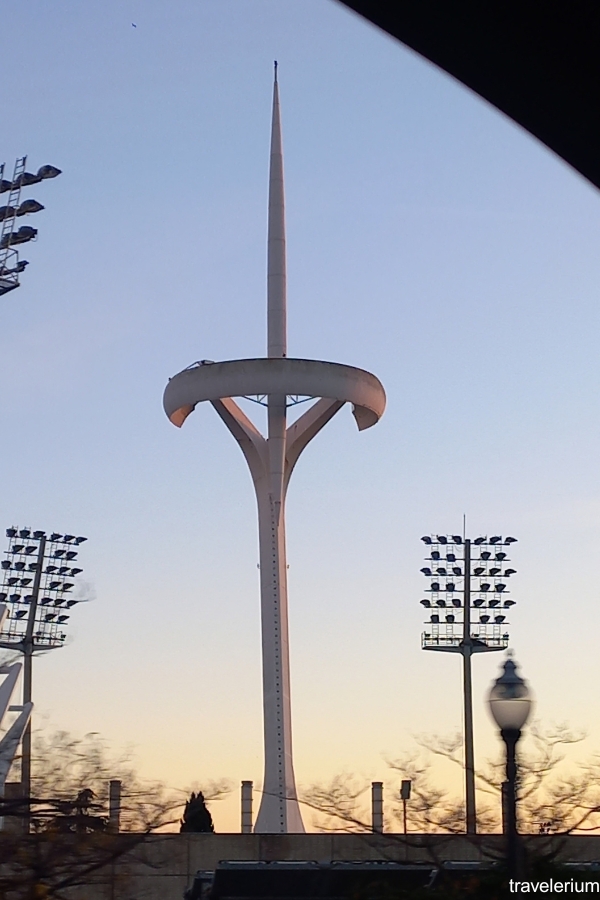
Montjuïc was the heart of the 1992 Barcelona Olympic Games, which transformed the city into a global destination.
The Olympic Ring includes:
- Estadi Olímpic Lluís Companys – The main Olympic stadium
- Palau Sant Jordi – A major indoor arena designed by Japanese architect Arata Isozaki
- Olympic and Sports Museum – Showcasing sports history
The stadium is often open to visitors and provides insight into one of Barcelona’s proudest modern achievements.
5. Joan Miró Foundation (Fundació Joan Miró)
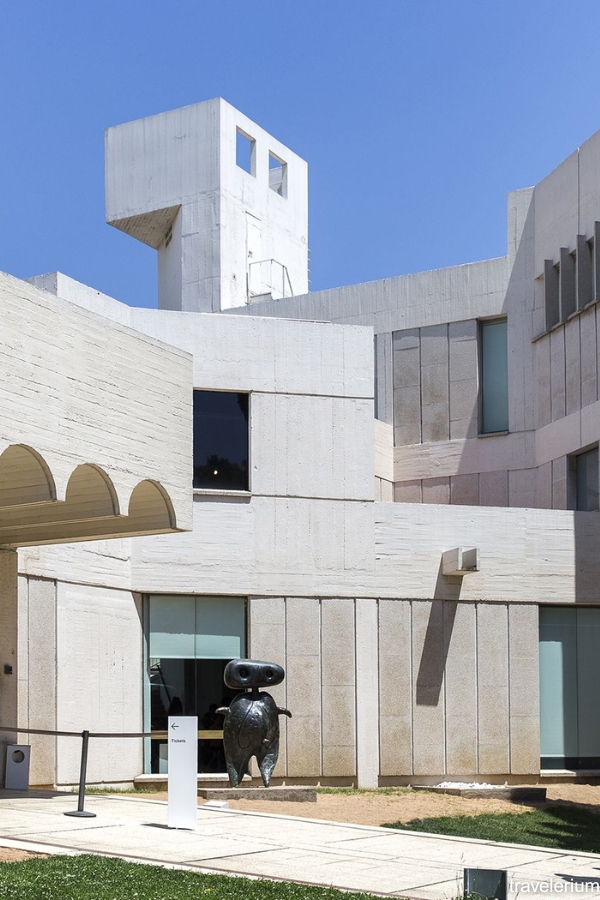
Art lovers should not miss the Fundació Joan Miró, dedicated to one of Catalonia’s most celebrated artists.
The museum features:
- Paintings
- Sculptures
- Textiles
- Temporary exhibitions
The building itself, designed by architect Josep Lluís Sert, is a masterpiece of modern architecture with open terraces and natural light.
6. Poble Espanyol
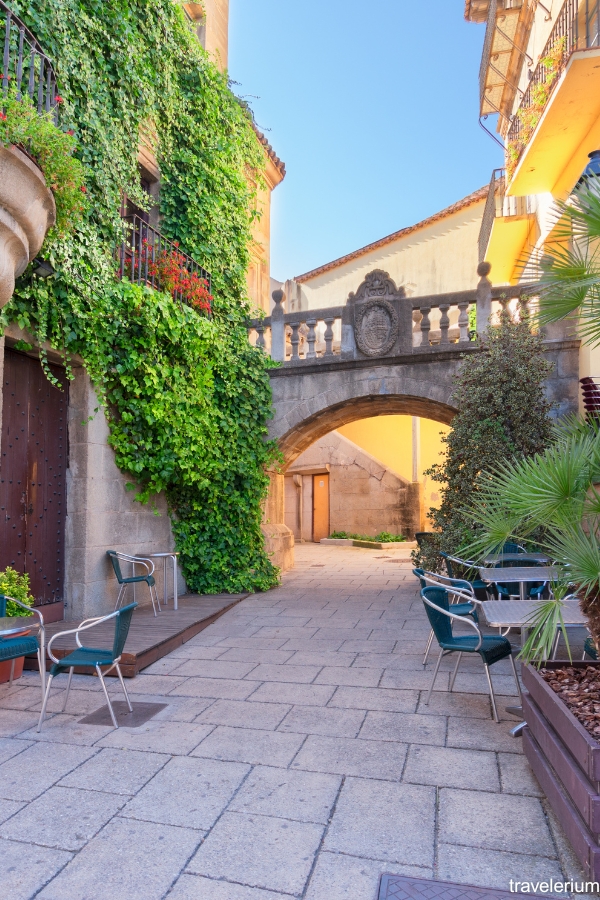
Built for the 1929 International Exhibition, Poble Espanyol is an open-air architectural museum showcasing replicas of buildings from across Spain.
It’s a unique space where you can:
- Explore different regional architectural styles
- Visit artisan workshops
- Enjoy restaurants and bars
- Attend concerts and festivals
While somewhat tourist-oriented, it’s a fun and interactive experience.
7. Montjuïc Botanical Garden
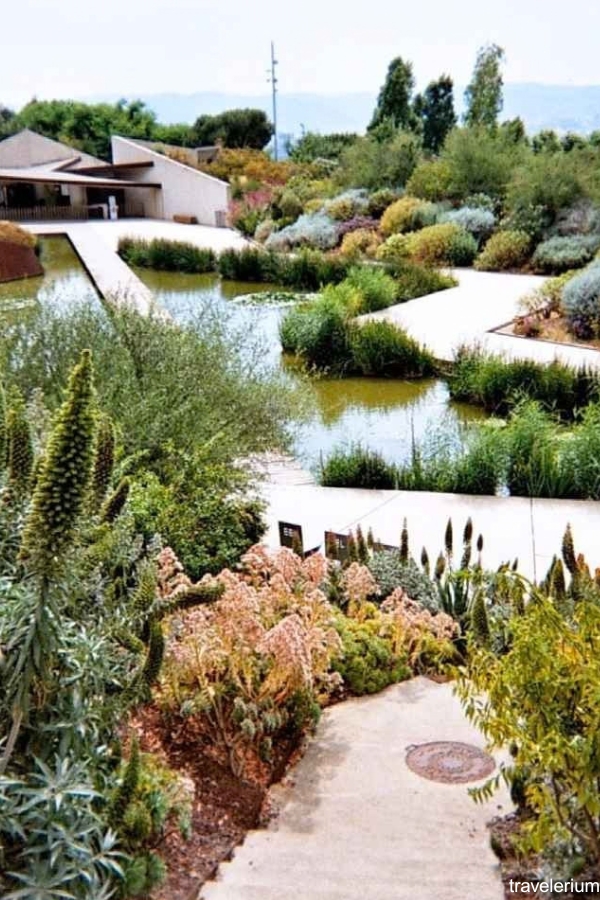
Nature lovers will appreciate the Jardí Botànic de Barcelona, featuring Mediterranean plant species from around the world.
Expect:
- Native plants from California, Chile, South Africa, and Australia
- Scenic walking paths
- Quiet, uncrowded spaces
It’s particularly beautiful in spring.
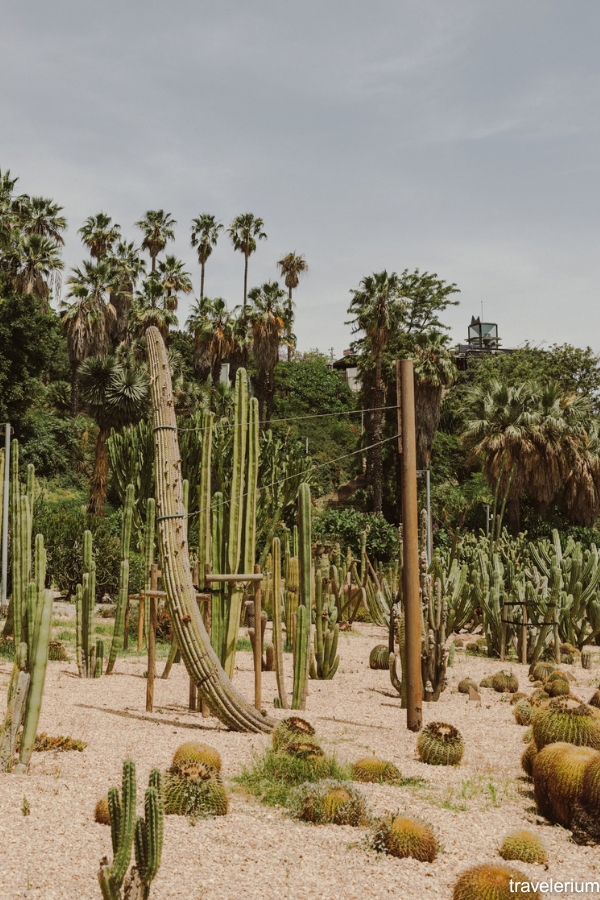
8. Jardins de Mossèn Costa i Llobera
One of Montjuïc’s hidden gems, this garden specializes in cacti and succulent plants.
Located on the sunnier southern slope, it offers:
- Unique desert plants
- Coastal views
- Peaceful walking areas
It’s far less crowded than the main attractions.
Best Viewpoints on Montjuïc
Montjuïc offers some of the best views in Barcelona. Here are the top spots:
- Castle Ramparts – Unobstructed sea and city views
- MNAC Terrace – Classic Barcelona skyline photo
- Mirador del Alcalde – Landscaped viewpoint overlooking the harbor
- Cable Car Ride – Aerial panoramas
Sunset is particularly magical, as the city turns golden and the Mediterranean reflects the fading light.
A Suggested One-Day Montjuïc Itinerary
If you have a full day, here’s how to structure your visit:
Morning:
- Take the metro to Paral·lel
- Ride the funicular and cable car to Montjuïc Castle
- Explore the castle and enjoy views
Midday:
- Walk down through the gardens
- Visit the Joan Miró Foundation
- Stop for lunch near the Olympic Ring
Afternoon:
- Explore the Olympic Stadium
- Visit MNAC
Evening:
- Watch sunset from MNAC terrace
- See the Magic Fountain show (if operating)
Where to Eat on Montjuïc
Montjuïc is not packed with restaurants like central Barcelona, but there are several good options.
Terrace Cafés
You’ll find casual cafés near:
- Joan Miró Foundation
- MNAC
- Olympic Stadium
These are ideal for coffee, sandwiches, and light meals.
Poble Espanyol Restaurants
Inside Poble Espanyol, there are several sit-down restaurants serving Spanish and Catalan cuisine.
Picnic Option
Many visitors prefer bringing snacks and enjoying a picnic in the gardens. This is a budget-friendly and relaxing way to experience Montjuïc.
Best Time to Visit Montjuïc
Montjuïc can be visited year-round, but the experience varies by season.
Spring (March–May)
- Pleasant temperatures
- Blooming gardens
- Ideal walking weather
Summer (June–August)
- Hot midday temperatures
- Evening visits recommended
- Outdoor events and concerts
Autumn (September–November)
- Fewer crowds
- Warm, comfortable weather
Winter (December–February)
- Quieter atmosphere
- Cooler temperatures
- Clear days with excellent visibility
Early morning or late afternoon are best to avoid heat and crowds.
Hidden Gems on Montjuïc
Beyond the main attractions, Montjuïc hides quiet corners worth discovering.
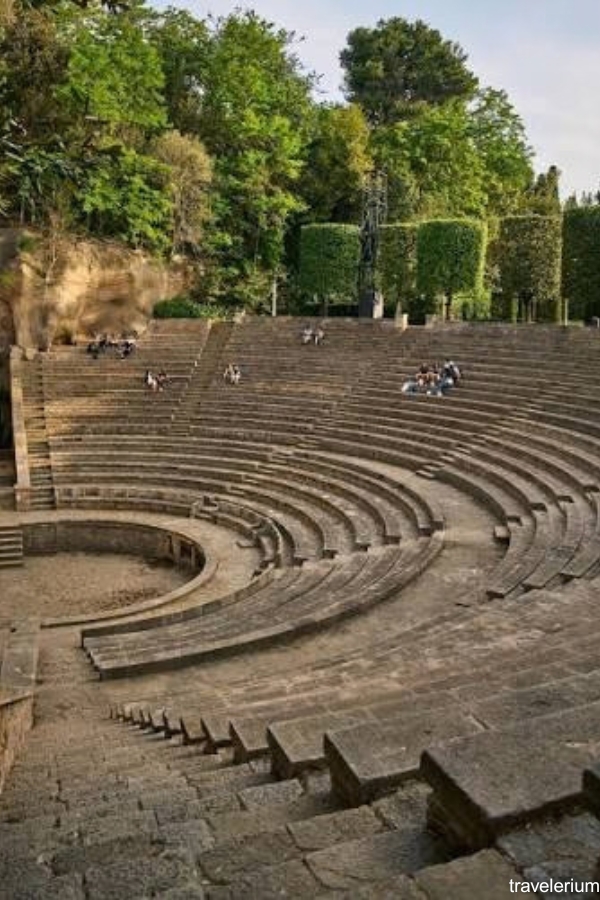
Teatre Grec
An open-air amphitheater carved into the hillside. In summer, it hosts performances during the Grec Festival.
Jardins de Joan Brossa
A peaceful park with sculptures and open green space.
Old Cemetery Viewpoints
Certain areas along the slope provide unique views over Barcelona’s port and industrial coastline.
Montjuïc for Families
Montjuïc is very family-friendly.
Children will enjoy:
- Open green spaces to run
- Cable car ride
- Olympic Stadium
- Interactive exhibits at Poble Espanyol
However, strollers may be challenging on some steep paths.
Accessibility
Accessibility varies by attraction:
- The cable car and funicular are accessible
- Major museums are wheelchair-friendly
- Some garden paths and castle areas involve uneven terrain
Check individual attraction websites for up-to-date accessibility details.
Safety Tips
Montjuïc is generally safe, but follow basic precautions:
- Keep belongings secure
- Avoid isolated areas late at night
- Stay hydrated in summer
Pickpocketing is less common here than in central Barcelona, but awareness is still important.
Events and Festivals on Montjuïc
Montjuïc hosts numerous cultural events throughout the year:
- Grec Festival (Summer) – Theater and dance
- Music concerts at Palau Sant Jordi
- Local sporting events
- La Mercè Festival activities
Check Barcelona’s official tourism calendar for current listings.
Photography Tips
Montjuïc is a dream for photographers.
Best times:
- Golden hour before sunset
- Blue hour near the Magic Fountain
- Early morning for empty gardens
Bring:
- Wide-angle lens for cityscapes
- Telephoto for port views
- Plenty of memory space
How Long Should You Spend on Montjuïc?
- 2–3 hours: Castle and viewpoints
- Half-day: Castle + Olympic Ring
- Full day: Castle, museums, gardens, sunset
Many visitors underestimate how much there is to see.
Why Montjuïc Is Essential to Your Barcelona Visit
Barcelona is famous for Gaudí, beaches, and Gothic streets — but Montjuïc shows another side of the city. It tells the story of Barcelona’s military past, artistic achievements, Olympic transformation, and love of green spaces.
It offers:
- Space to breathe
- Historical depth
- Cultural richness
- Unmatched views
Whether you’re a first-time visitor or returning traveler, Montjuïc deserves a place on your itinerary.
Final Tips for Visiting Montjuïc
- Wear comfortable shoes
- Bring water
- Plan around sunset
- Check attraction opening hours in advance
- Consider combining with a visit to El Raval or Poble-sec
FAQ
What is Montjuïc best known for?
Montjuïc is known for its museums, gardens, panoramic viewpoints and Olympic venues. Major attractions include Montjuïc Castle, the Joan Miró Foundation, the National Art Museum of Catalonia (MNAC), Poble Espanyol and the 1992 Olympic Stadium.
How do you get to Montjuïc?
You can reach Montjuïc by bus, metro, funicular or cable car. A popular option is to take the metro to Paral·lel station and transfer to the Montjuïc Funicular. The cable car then continues uphill toward Montjuïc Castle.
Is Montjuïc free to visit?
The hill itself, its parks and many viewpoints are free to explore. However, attractions such as Montjuïc Castle, museums, Poble Espanyol and the cable car charge admission. Some museums offer free entry at selected times.
How much time should you spend in Montjuïc?
Allow at least half a day to see a few highlights. A full day is better if you want to visit museums, explore the gardens, tour the castle and stop at the Olympic sites without rushing.
Is Montjuïc suitable for families?
Yes. Montjuïc offers open spaces, gardens, family-friendly museums and scenic transport options. Children often enjoy riding the cable car, exploring the castle and visiting Poble Espanyol. Keep in mind that some routes involve steep slopes and long walks.
Can you walk up Montjuïc?
Yes, but the climb can be steep in places. Walking routes begin around Plaça d’Espanya, Poble-sec and the waterfront. Comfortable shoes are recommended, and public transport can help you avoid the most demanding sections.
When is the best time to visit Montjuïc?
Spring and autumn usually offer the most pleasant weather. Early mornings and late afternoons are ideal for cooler temperatures, smaller crowds and attractive city views. In summer, avoid long uphill walks during the hottest part of the day.
Where are the best views from Montjuïc?
Popular viewpoints include the area around Montjuïc Castle, the Mirador de l’Alcalde and the terraces near MNAC. Depending on the location, you can see Barcelona’s skyline, the port, the Mediterranean and the surrounding hills.
Conclusion
Montjuïc is more than a hill — it’s a journey through Barcelona’s identity. From fortress walls and Olympic arenas to tranquil gardens and world-class museums, it blends nature, culture, and history in one unforgettable destination.
Spend a morning exploring its historic castle, an afternoon wandering its art museums, and an evening watching the city glow from above. Whether you ride the cable car or hike the paths, Montjuïc rewards every step with beauty and perspective.
If you want to truly understand Barcelona — not just see it — Montjuïc is the place to start.