
Barcelona rewards visitors who arrive with a plan. With so many world-class sights packed into a walkable, sun-soaked city, knowing which Barcelona attractions to prioritize can turn a good trip into an unforgettable one.
The 10 must-see sights below cover the best things to do in Barcelona, from Gaudí masterpieces and medieval lanes to hilltop panoramas and local food scenes, each one chosen for the impact it delivers and the ease of fitting it into a realistic Barcelona itinerary. Whether you have two days or five, this guide gives you the on-the-ground details you need to decide what to do in Barcelona, when to book, and how long to spend at every stop.
Think of it as your shortcut to the city’s essentials. Each section pairs vivid context with practical planning tips so you can move from browsing to booking without opening a dozen tabs. If you are still working out where to stay in Barcelona or the best time to visit Barcelona, check out our Ultimate Barcelona guide as it will tie everything together.
Book your Barcelona Tours and Tickets Today!
Table of Contents
Gaudí Landmarks You Should Prioritise First
Antoni Gaudí shaped Barcelona more than any other architect, and four of his buildings belong on every first-time visitor’s list. All four sit within a few metro stops of one another, making it easy to see them in a single day if you book timed tickets in advance and start early.
Sagrada Família
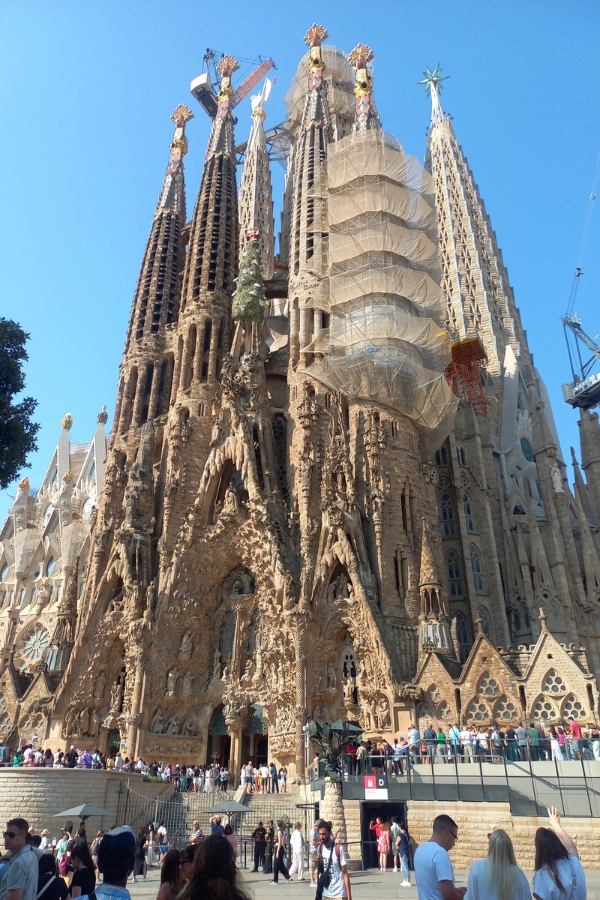
La Sagrada Família is the single sight that defines Barcelona. Gaudí devoted over 40 years of his life to this basilica, and construction continues today with a target completion in the late 2020s. Step inside and the forest of branching columns, paired with stained glass that throws warm amber light in the morning and cool blues in the afternoon, will genuinely stop you in your tracks.
Allow 90 minutes to two hours. Sagrada Familia tickets sell out days, sometimes weeks, ahead, so purchase them online the moment your travel dates are confirmed. An early-morning slot (around 9:00 a.m.) gives you softer crowds and the best warm-toned light through the east-facing Nativity façade. Adding a tower visit costs a little extra but delivers sweeping views of the Eixample grid.
Park Güell
Originally planned as a luxury housing estate, Park Güell became one of Gaudí’s most playful creations. The mosaic dragon at the entrance stairway and the serpentine bench covered in colorful trencadís tilework are iconic, but the views over the city skyline to the sea steal the show.
The ticketed Monumental Zone requires a timed entry, and morning slots before 9:30 a.m. are the least crowded. Budget about an hour inside the zone, plus extra time if you want to wander the free wooded paths around it. Wear sturdy shoes; the hillside paths are uneven.
Casa Batlló
On the fashionable Passeig de Gràcia, Casa Batlló looks like a building pulled from a dream. The undulating façade, skeletal balconies, and iridescent tile roof nod to the sea and marine life, depending on whom you ask. Inside, every room curves and flows without a single straight corridor.
The augmented-reality visit adds digital layers to each room and is genuinely well done, not gimmicky. An evening visit with a rooftop drink is atmospheric, though pricier. Plan about 60 to 75 minutes. Just a few doors down you can admire Casa Amatller from the sidewalk for free.
Casa Milà (La Pedrera)
Known locally as La Pedrera (“the stone quarry”), Casa Milà is the last major private residence Gaudí designed. The rooftop is the highlight. Its surreal chimneys look like helmeted warriors, and from the terrace you get a clear line of sight toward the Sagrada Família towers.
A standard visit takes about an hour. The “La Pedrera Night Experience” pairs rooftop projections with live music on select evenings and is worth considering if your schedule allows. Like Casa Batlló, this is a UNESCO World Heritage Site, and advance booking is strongly recommended. Together with Palau Güell and Casa Vicens, these landmarks form the backbone of Catalan Modernism in the city.
Historic Streets And City-Center Icons
Barcelona’s oldest neighborhoods deliver a different energy than the Modernist boulevard of the Eixample. Narrow medieval lanes, bustling market stalls, and centuries-old squares sit within a compact stretch of Ciutat Vella that you can cover comfortably on foot in a single morning or afternoon.
La Rambla And La Boqueria
La Rambla is Barcelona’s most famous promenade, a tree-lined boulevard running from Plaça de Catalunya down to the waterfront. It can feel touristy, yet walking it at least once is a rite of passage. Stick to the shaded central pedestrian strip and keep an eye on your belongings; pickpockets target distracted visitors.
The real reason to come is La Boqueria. Mercat de la Boqueria is one of Europe’s best food markets, a kaleidoscope of fresh fruit, cured meats, seafood, and freshly squeezed juices. Arrive before 10:00 a.m. on a weekday and the atmosphere is electric without the midday crush. Grab a stool at one of the small counters inside, like El Quim de la Boqueria, for a quick plate of sautéed wild mushrooms or crispy squid.
Nearby, the Gran Teatre del Liceu opera house offers guided tours if you are curious about its ornate interior.
The Gothic Quarter
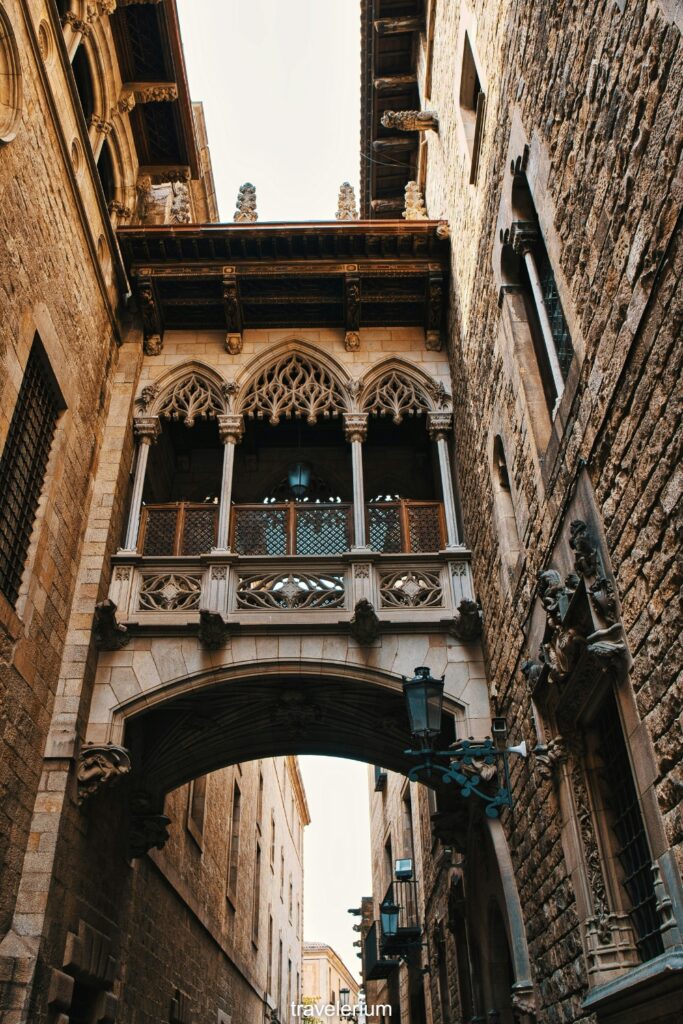
Step off La Rambla into the Barri Gòtic and the city leaps back several centuries. The Gothic Quarter is a maze of stone alleyways, hidden squares, and churches dating to the 14th and 15th centuries. Getting a little lost is part of the charm, and you are never more than a few turns from a recognizable landmark.
El Raval, just across La Rambla, has a grittier, more creative personality. The Rambla del Raval is lined with terrace cafés, and the neighborhood around Mercat de Sant Antoni has become a favorite with locals for weekend brunch.
Barcelona Cathedral And Plaça Reial
The Cathedral of Barcelona anchors the Gothic Quarter with its towering spires and a serene cloister where 13 white geese roam a garden courtyard. Entry to the cathedral is free during morning hours, though a small fee applies for the rooftop elevator, which gives you a close-up look at the Gothic pinnacles and a skyline photo opportunity.
A short walk south brings you to Plaça Reial, an elegant, arcaded square framed by palm trees and wrought-iron lampposts designed by a young Gaudí. It is one of the liveliest spots in Barcelona after dark, filled with restaurants and small music venues. Daytime is quieter and better for photos. From here, the waterfront church of Santa Maria del Mar is a 15-minute walk through El Born, worth a detour for its soaring nave and pure Catalan Gothic simplicity.
Museums, Music, And Modernist Culture
Beyond Gaudí, Barcelona’s cultural calendar spans medieval art, modern masterpieces, and live performance spaces that are attractions in their own right. A rainy day here never feels wasted.
Picasso Museum
The Picasso Museum, or Museu Picasso, occupies five connected medieval palaces in the El Born neighborhood. The collection focuses on Picasso’s formative years in Barcelona and includes more than 4,250 works. Watching his style evolve from academic sketches to early Cubist experiments room by room is fascinating, even if you are not an art buff.
Allow about 90 minutes. Buy timed tickets online to skip the long street-level queue. Free entry is available on the first Sunday of each month and Thursday evenings, though expect bigger crowds during those windows. The Articket BCN pass bundles the Picasso Museum with five other major art centers at a discount worth checking.
Palau de la Música Catalana
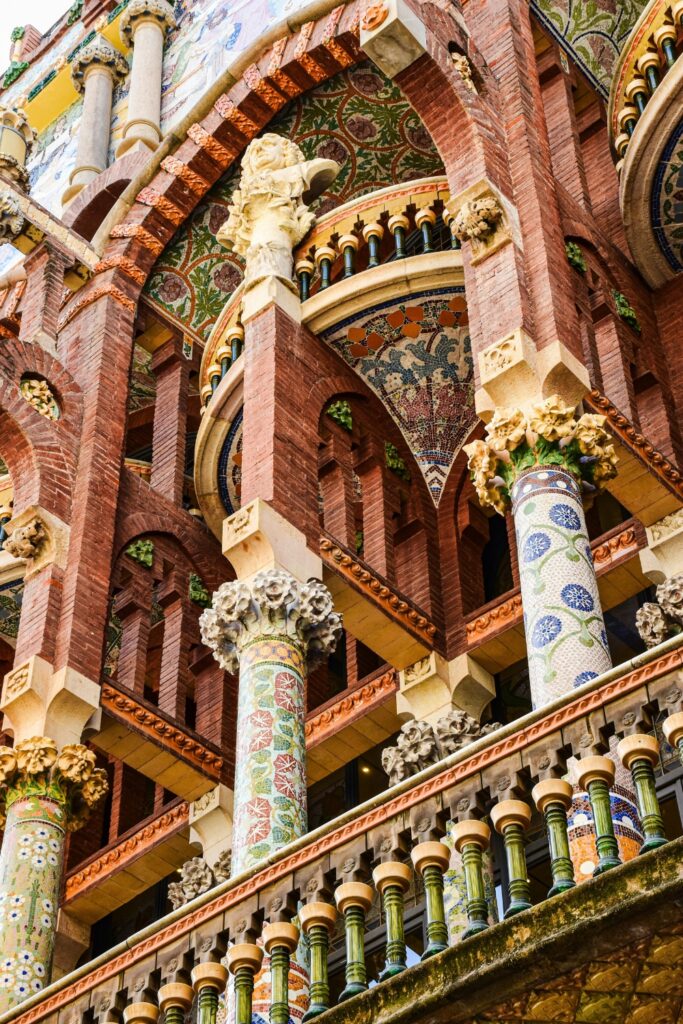
Designed by Lluís Domènech i Montaner, the Palau de la Música Catalana is a UNESCO World Heritage concert hall that feels like stepping inside a jewel box. The stained-glass skylight in the main auditorium drops natural light onto the stage in a way no photo fully captures.
You can visit on a 55-minute guided tour, but attending a live concert, whether classical, flamenco, or jazz, is the best way to experience the acoustics. Tickets for performances start at reasonable prices. Even from the outside, the ornate corner façade covered in mosaic columns is worth a pause.
Sant Pau Recinte Modernista
Often overlooked by first-time visitors, Sant Pau Recinte Modernista is a former hospital complex also designed by Domènech i Montaner. Its grounds sprawl across nine city blocks, connected by underground tunnels, and the mosaic-covered pavilions rival anything on Passeig de Gràcia.
A self-guided visit takes roughly an hour. Crowds are minimal compared to Gaudí sites, and you can photograph the interiors without fighting for space. It sits directly up Avinguda de Gaudí from the Sagrada Família, so pairing both visits in a single morning is the most efficient approach.
Other cultural stops worth your time include CaixaForum for rotating exhibitions, MACBA for contemporary art in El Raval, and the Moco Museum for fans of Banksy and KAWS. The historic café Els Quatre Gats, where Picasso once exhibited, serves decent coffee in a stunning Modernist dining room.
Views, Waterfront, And Big Open Spaces
Barcelona sits between wooded hills and the Mediterranean, and some of the city’s most memorable moments happen when you step away from the streets and take in the bigger picture.
Montjuïc Hill And Montjuïc Castle
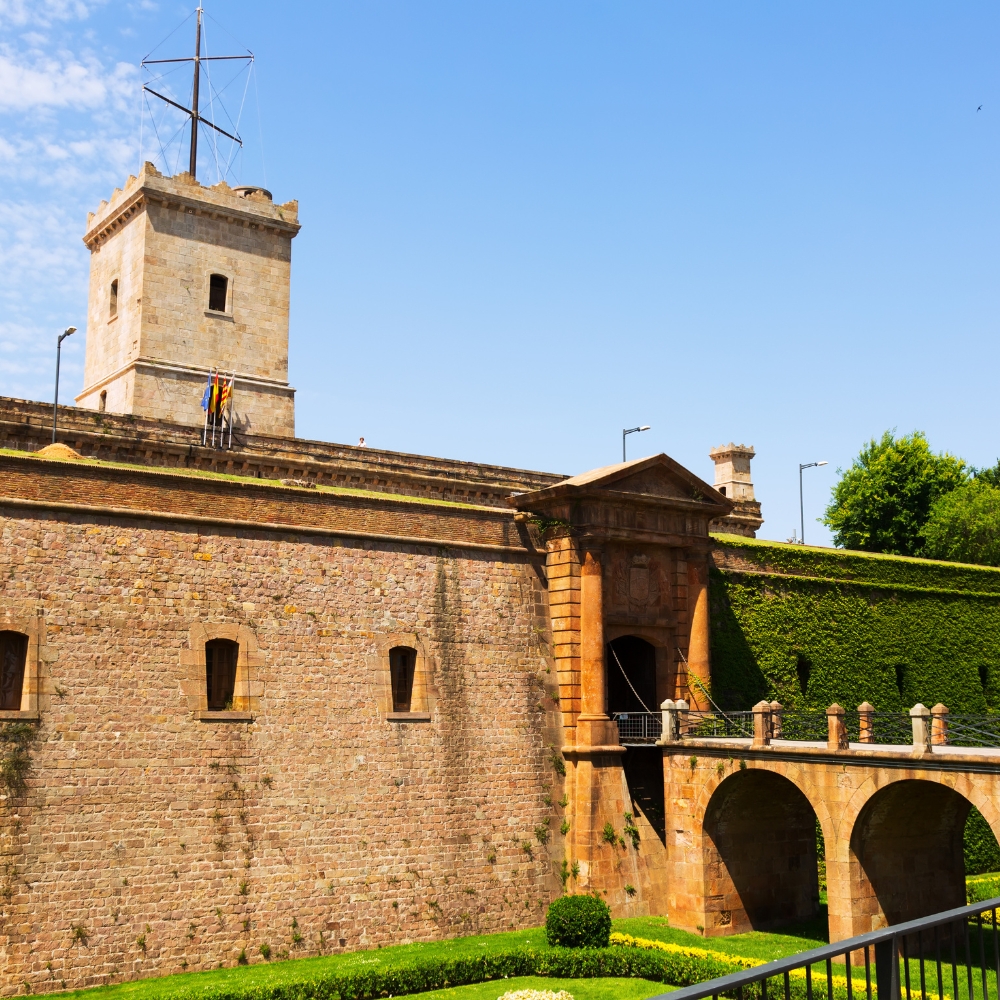
Montjuïc Hill is a self-contained day out. Start at Plaça d’Espanya and ride the escalators or the Montjuic cable car up through gardens to Montjuïc Castle, a 17th-century fortress with panoramic harbor views. Along the way you will pass the Museu Nacional d’Art de Catalunya (MNAC), which houses a world-class Romanesque art collection and has a terrace view that rivals any rooftop bar.
The Magic Fountain puts on free light-and-music shows on select evenings (typically Thursday through Saturday in summer). Poble Espanyol, an open-air architectural museum built for the 1929 World Expo, recreates buildings from every Spanish region and hosts craft workshops and evening events.
Budget at least half a day for Montjuïc. Comfortable walking shoes are essential; the slopes are gradual but relentless.
Barceloneta And Port Vell
Barceloneta is Barcelona’s closest beach neighborhood, a grid of narrow streets originally built for fishermen. The beach itself is sandy, well-maintained, and backed by chiringuitos (beach bars) serving cold drinks and simple seafood.
From Barceloneta, stroll along the Rambla de Mar pedestrian bridge into Port Vell, the old harbor area. Time Out Market Barcelona, inside the Maremagnum complex, gathers a curated selection of local chefs under one roof and makes a solid lunch stop if you prefer variety over a sit-down restaurant.
Parc De La Ciutadella And Arc De Triomf
Parc de la Ciutadella is Barcelona’s favorite green escape, a sprawling park with a boating lake, a monumental fountain, and shady paths that feel miles from the tourist crowds. It is perfect for a morning stroll or a post-lunch break.
The imposing Arc de Triomf marks the park’s northern entrance and doubles as a lively gathering spot for street musicians and skaters. Walk through the arch and you have a straight tree-lined promenade into the park.
For more dramatic viewpoints, consider the Bunkers del Carmel (officially Turó de la Rovira), where old Civil War gun emplacements frame a 360-degree panorama of the city. It is free, uncrowded at sunrise, and unforgettable. Farther out, Tibidabo amusement park and the Sagrat Cor church crown the city’s tallest hill, offering clear-day views that stretch to Montserrat.
Football, Food, And Local Experiences
Barcelona’s soul shows up just as clearly in a roaring stadium or a neighborhood tapas bar as it does in a Gothic church. These experiences round out your sightseeing and connect you with the culture locals live every day.
Camp Nou And The FC Barcelona Museum
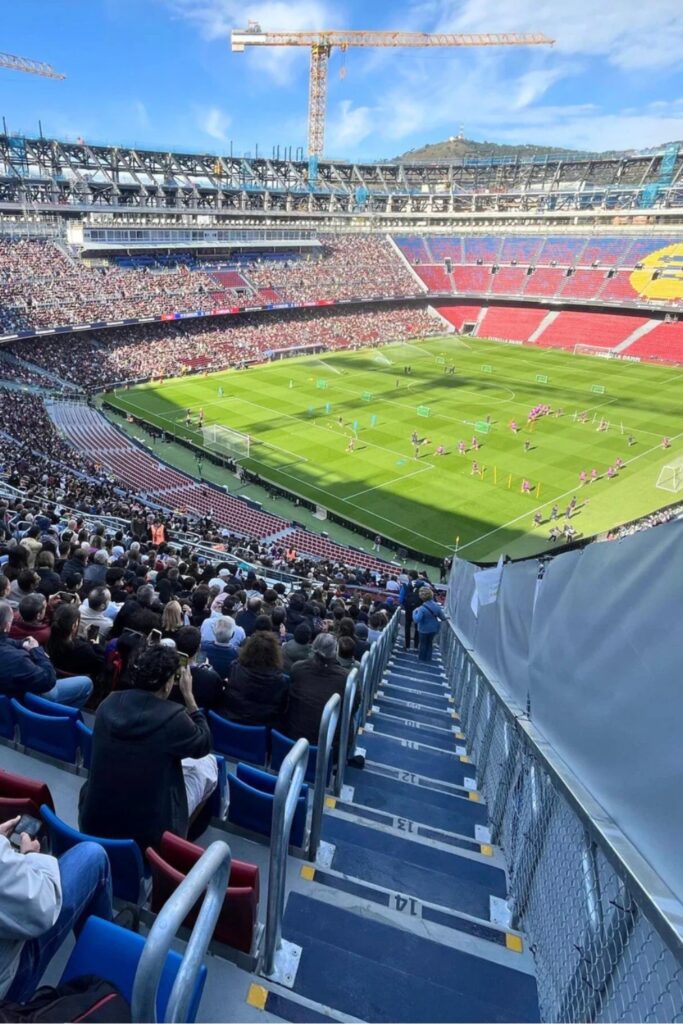
Camp Nou, the home of FC Barcelona, is one of Europe’s largest football stadiums. The venue has undergone major renovation, so check current tour availability before you visit. The FC Barcelona Museum inside the stadium complex draws over a million visitors a year, showcasing trophies, interactive exhibits, and a tunnel walk to the pitch-side dugout.
Even if football is not your thing, the sheer scale of the stadium and the passion embedded in every corner are impressive. Match-day tickets can be pricey and competitive, but attending a game is an experience that stays with you. Book through the official club site to avoid inflated reseller prices.
Tapas, Paella, And Catalan Cuisine
Eating in Barcelona is an attraction in itself. Start with classic tapas: patatas bravas with smoky aioli, jamón ibérico sliced paper-thin, and pa amb tomàquet (bread rubbed with ripe tomato and olive oil). Seek out neighborhood bars in Gràcia or Poble-sec rather than the tourist-facing places along La Rambla.
Paella is widely available, though locals consider it a Valencian dish. Look for restaurants that cook it to order in small batches rather than keeping it warm on a buffet line. Catalan cuisine goes well beyond tapas, so try escalivada (smoky roasted vegetables) and crema catalana for dessert.
Bike Tours And Free Ways To Explore
A guided bike tour is one of the best ways to cover ground quickly while soaking up context from a knowledgeable local. Most two-hour routes loop through the waterfront, Ciutadella Park, and the Gothic Quarter.
Free things to do in Barcelona are plentiful. Walking the Eixample to admire Modernist façades, people-watching in Plaça Reial, and catching the Magic Fountain show all cost nothing. The Barcelona Card bundles free public transport with museum discounts and is worth calculating if you plan three or more paid visits. Keep an eye out for La Mercè, the city’s biggest street festival each September, when concerts, parades, and correfoc fire runs take over the streets at no charge.
How To Plan Your Sightseeing of Barcelona Attractions Efficiently
Smart planning makes the difference between a rushed checklist and a trip that actually feels relaxed. A few decisions made before you fly will save hours of standing in lines.
Choosing Attractions By Trip Length
If you have two days, focus on the Sagrada Família, one Passeig de Gràcia house (Casa Batlló or La Pedrera), the Gothic Quarter, and Barceloneta. That core Barcelona itinerary hits the city’s greatest hits without exhausting you.
Three to four days let you add Park Güell, Montjuïc, the Picasso Museum, and a proper tapas crawl. With five days or more, you can fit in Sant Pau, Tibidabo, a bike tour, and a day trip without feeling rushed.
Prioritize mornings for the headline sights and leave afternoons for neighborhoods, food, and waterfront relaxation.
Booking Strategy And City Passes
The best time to visit Barcelona for manageable crowds and pleasant weather is late April through mid-June or September through October. July and August bring peak heat and peak prices.
Book Sagrada Familia tickets, Park Güell, Casa Batlló, and La Pedrera as soon as your dates are firm. Two to three weeks ahead is usually fine in shoulder season; in summer, four weeks or more is safer. The Barcelona Card and the Articket BCN each bundle transport or museum entry at a discount. Compare what each pass includes against your personal list before buying.
For where to stay in Barcelona, the Eixample puts you within walking distance of Gaudí landmarks and the metro. The Gothic Quarter is atmospheric but noisier at night. Barceloneta suits beach lovers, while Gràcia offers a more local, village-like pace.
Book your Barcelona Tours and Tickets Today!
Easy Day Trips Beyond The City
Barcelona is a natural launchpad for day trips from Barcelona along the coast and into the Catalan countryside. The Costa Brava, about 90 minutes northeast by car or bus, delivers cove beaches and charming fishing villages.
Figueres, two hours north by train, is home to the Dalí Theatre-Museum, a surreal counterpoint to the Gaudí sites you will have seen in the city. You can visit in a half-day and be back in Barcelona for a late dinner.
Both trips pair well with a four- or five-day stay, giving you a refreshing change of scenery without the hassle of switching hotels.