
Barcelona is a city that pulses with energy — from the winding medieval lanes of the Gothic Quarter to the sun-drenched promenades of Barceloneta Beach. Yet amid all that urban vibrancy, there exists a place where locals go to breathe, slow down, and simply be. Parc de la Ciutadella, is Barcelona’s most cherished green escape — a sprawling, sun-dappled sanctuary where history, nature, art, and everyday life converge in the most effortlessly beautiful way. It is the one Barcelona attraction that all visitors to the city really need to spend an afternoon at, just to chill for a little while and recharge their batteries!
Whether you’re a first-time visitor trying to understand the city’s soul or a seasoned traveler looking to spend a lazy afternoon away from the tourist trail, this complete guide to Parc de la Ciutadella has everything you need to know.
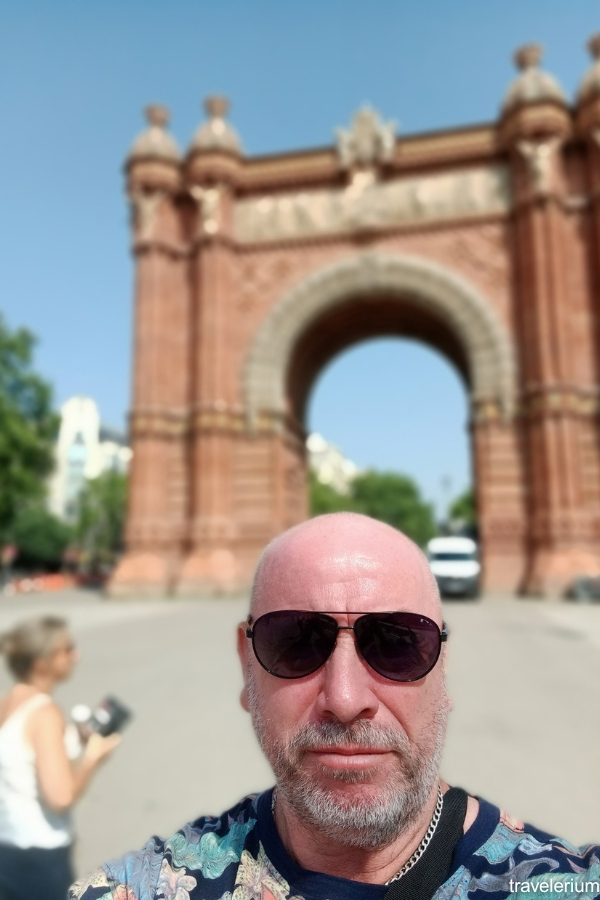
Table of Contents
What Is Parc de la Ciutadella?
Parc de la Ciutadella is a 70-acre public park located in the Ciutat Vella and Sant Martí districts of Barcelona. Its name — which translates to “Citadel Park” — is a direct reference to the imposing military fortress that once occupied this very ground. Built by King Philip V following the War of the Spanish Succession in the early 18th century, the citadel was a symbol of oppression for many Catalans, who were forcibly displaced to make way for its construction.
For over a century, residents of Barcelona campaigned for its demolition. In 1869, their wish was finally granted. The military fortress was torn down, and in its place, a grand public park was designed — a gesture of civic renewal that transformed a site of repression into one of joy. The park was further developed for the 1888 Universal Exposition of Barcelona, which left behind several of its most iconic landmarks.
Today, Parc de la Ciutadella is far more than a park. It is a living piece of Barcelona’s identity — beloved by joggers and families, artists and students, tourists and longtime residents alike.
Getting There: Parc de la Ciutadella Location and Access
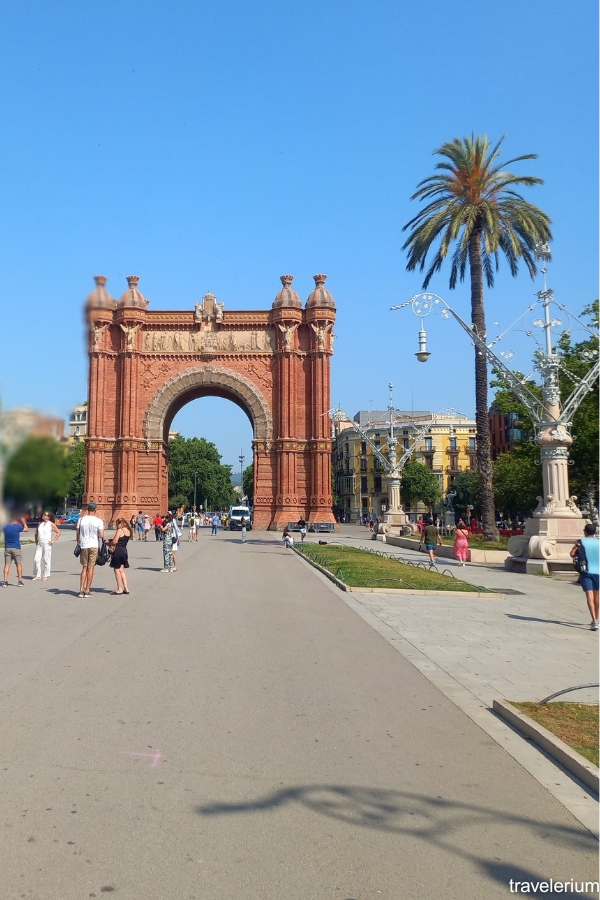
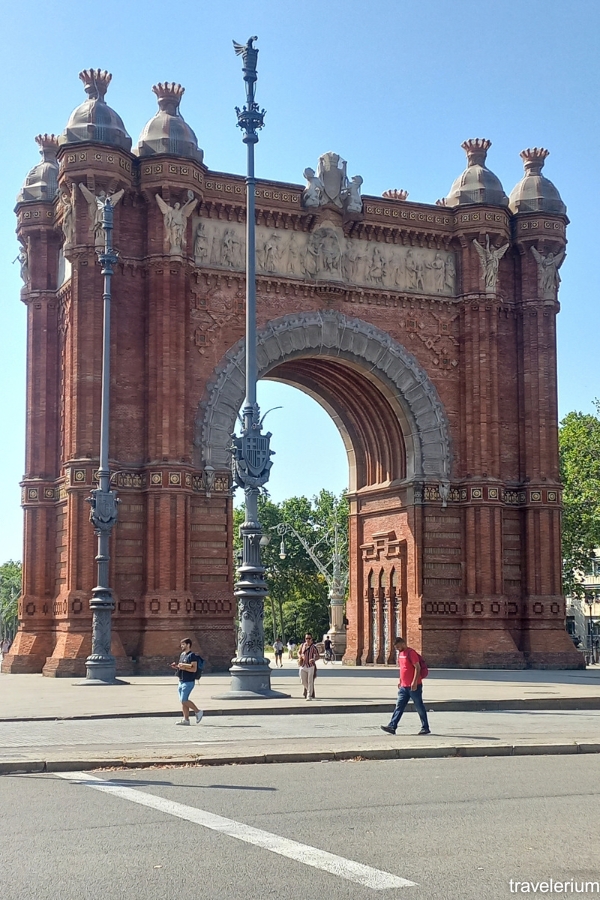
The park is conveniently situated just east of the Gothic Quarter, making it an easy walk from many central neighborhoods. Its main entrance on Passeig de Pujades is just steps from the Arc de Triomf metro station (Line 1, red line), which itself is a landmark worth pausing to admire — a grand triumphal arch built as the ceremonial gateway to the 1888 Expo.
Other nearby metro options include:
- Barceloneta (Line 4, yellow line) — a short walk from the southern entrance
- Ciutadella | Vila Olímpica (Line 4) — directly adjacent to the park’s eastern edge
The park is also easily accessible by bus, tram, and bicycle. Barcelona’s extensive bike-lane network runs along several of the park’s perimeter streets, and there are Bicing (Barcelona’s public bike-share) stations nearby.
Parc de la Ciutadella Opening Hours
One of the most appealing things about Ciutadella Park Barcelona is how accessible it is throughout the year. The park is open every day of the week, with hours that vary by season:
- Summer (May–September): 10:00 AM – 10:30 PM
- Winter (October–April): 10:00 AM – 6:00 PM
These hours apply to the main park grounds. Individual attractions within the park — such as the zoo, the geology museum, and the botanical structures — maintain their own schedules and may require separate admission fees. It’s always worth checking current opening times before your visit, as hours can shift during public holidays or special events.
Entry to the park itself is completely free of charge.
The Top Things to Do in Parc de la Ciutadella
1. Row on the Iconic Lake
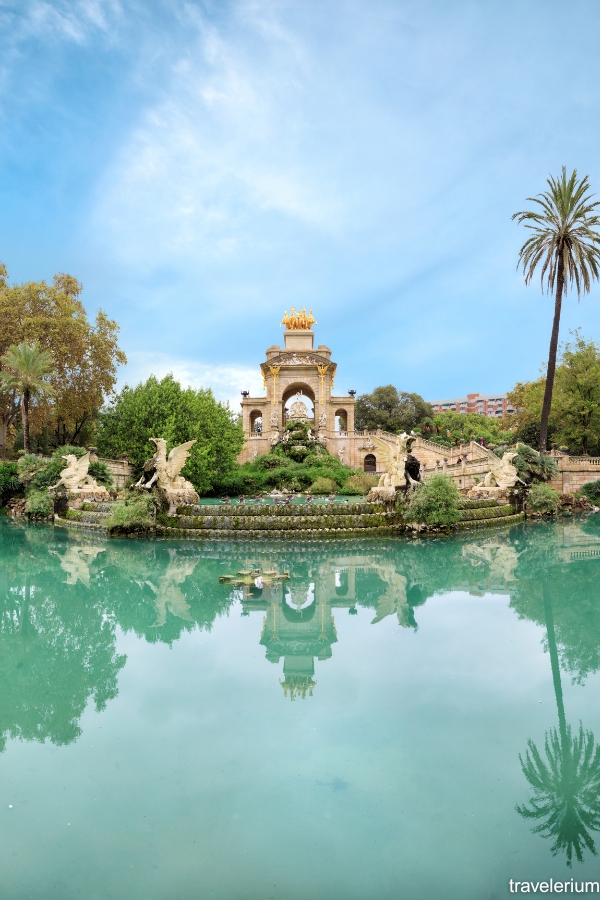
Perhaps nothing captures the magic of Ciutadella Park Barcelona quite like a lazy afternoon on the Llac de la Ciutadella — the park’s picturesque artificial lake. Surrounded by weeping willows and overlooked by a grand ornamental cascade, the lake is a place where time seems to slow down entirely.
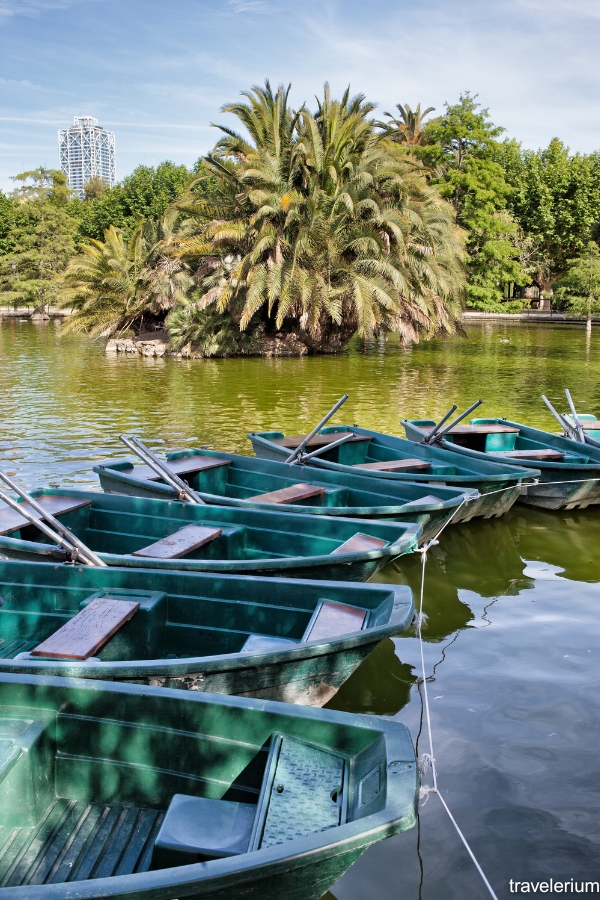
Rent a rowboat (available at modest hourly rates from the lakeside kiosk) and drift across the still water while ducks paddle alongside you. Couples come here for romance, families for laughter, and solo travelers for quiet reflection. The Parc de la Ciutadella lake is arguably the most photographed spot in the entire park — and rightfully so.
2. Marvel at the Cascada Monumental
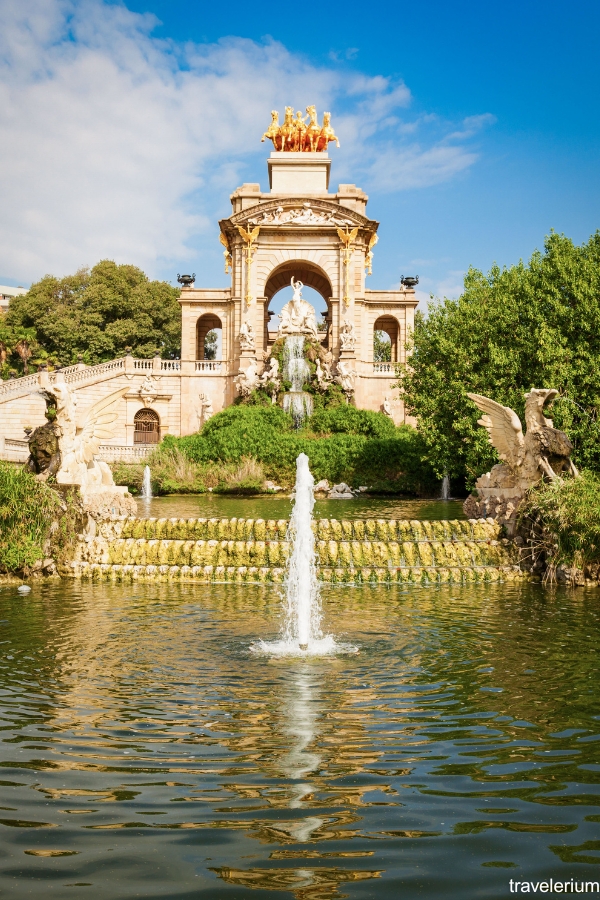
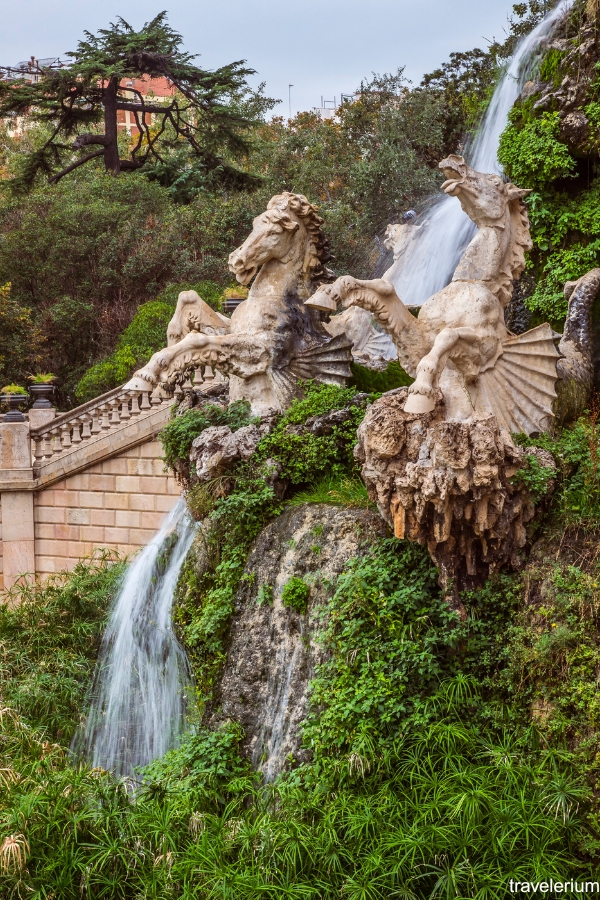
Looming majestically at the northeastern corner of the park, the Cascada Monumental is one of Barcelona’s most dramatic outdoor sculptures. This elaborate neo-baroque fountain — a thundering cascade of water, stone, and gilded figures — was designed between 1875 and 1881 by Josep Fontserè, with contributions from a young architecture student named Antoni Gaudí, who helped design the decorative rockwork.
Stand before it and look for the traces of what would become one of architecture’s most extraordinary careers. The cascade is particularly spectacular in golden-hour light, when the spray catches the last rays of the afternoon sun.
3. Visit the Hivernacle and Umbracle
The park contains two extraordinary 19th-century botanical structures that are among Barcelona’s lesser-known architectural gems.
The Hivernacle (Winter Garden) is a breathtaking cast-iron and glass greenhouse designed by Josep Amargós, built originally to house tropical plants for the 1888 Exposition. Today, the space is used for cultural events and exhibitions, but its soaring Victorian ironwork is mesmerizing at any time.
Beside it stands the Umbracle — an open-air, arched brick structure that once sheltered shade-loving plants and now functions as a promenade garden featuring native Catalan and Mediterranean species. Both structures are free to enter and represent a kind of timeless elegance that feels entirely removed from the modern city.
4. Explore the Barcelona Zoo
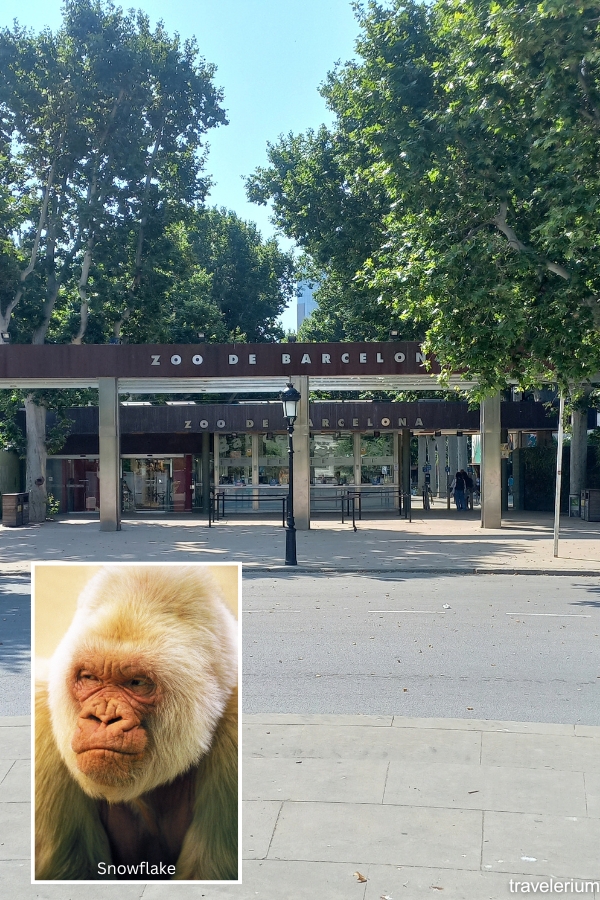
The Zoo de Barcelona occupies a large portion of the park’s southeastern section and has been a fixture here since 1892. Home to over 400 species — including Komodo dragons, giraffes, flamingos, and the famous white gorilla (now commemorated with a statue after the beloved albino gorilla Snowflake lived here for decades) — the zoo is a beloved destination for families and animal lovers.
Note that the zoo requires a separate paid admission. It is one of the most visited attractions in all of Barcelona, so booking tickets in advance is highly recommended during peak tourist season.
5. Discover the Museu de Ciències Naturals de Barcelona
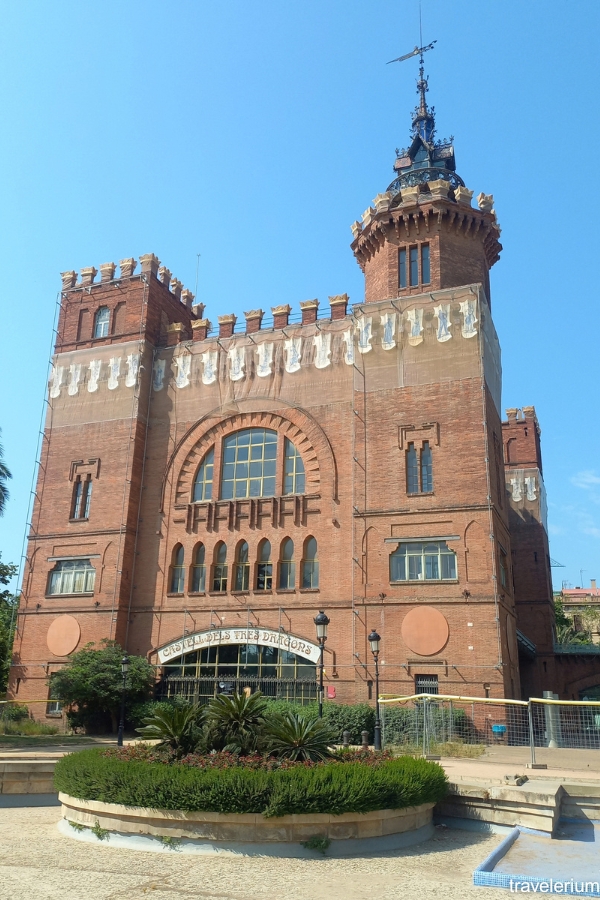
The Museum of Natural Sciences is housed in the striking Castell dels Tres Dragons (Castle of the Three Dragons), a turreted building that was constructed as the café-restaurant for the 1888 Universal Exposition. The museum holds extensive geology and zoology collections and is a wonderful destination for curious minds of all ages.
Adjacent to it, you’ll find the Edifici de la Geologia, Barcelona’s oldest public museum, now also part of the Natural Sciences complex.
6. Relax, Picnic, and Simply Wander
Not every moment in Parc de la Ciutadella needs to be structured around an attraction. Some of the park’s greatest pleasures are the simplest ones — spreading a blanket on the grass beneath a palm tree, watching children chase pigeons, listening to the distant strum of a guitar. Barcelonans are masters of the art of doing nothing beautifully, and the park is their classroom.
There are several café kiosks scattered throughout the grounds offering coffee, cold drinks, and snacks. On weekends especially, the park fills with a wonderful cross-section of city life: families with prams, elderly couples walking hand-in-hand, groups of friends playing petanca (the Catalan version of pétanque), and buskers filling the air with music.
Art and Monuments in the Park
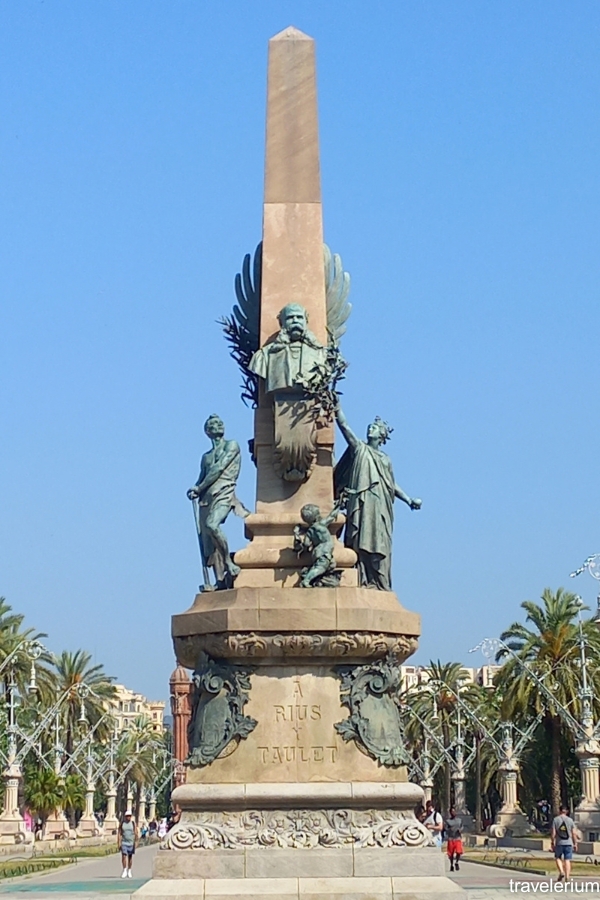
Beyond the natural beauty, Parc de la Ciutadella is an open-air gallery of public art and civic monuments. Look out for:
- Statue of General Prim — A large equestrian statue honoring Joan Prim, the Catalan general who played a key role in returning the park to the city.
- Statue of the Lady with the Parasol (La Dama del Paraigua) — One of Barcelona’s most charming sculptures, this whimsical bronze fountain figure near the lake has become an unofficial symbol of the park.
- Homage to Picasso — A striking abstract sculpture by Antoni Tàpies installed near the park’s entrance, honoring Barcelona’s most famous adopted artist son.
The Park’s Role in Catalan History and Culture
Understanding the history of Parc de la Ciutadella adds profound depth to a simple afternoon stroll. The original citadel was not just a military installation — it was a deliberate tool of political subjugation. Barcelonans were forced to demolish 1,000 of their own homes to clear space for it, and for generations, the fortress represented Castilian domination over Catalonia.
The park that replaced it became, in a very real sense, an act of civic reclamation. During the 19th century, it served as the location of the first Catalan Parliament — the Parlament de Catalunya, which still sits within the park today in the former Arsenal building. This gives Ciutadella a unique dual identity: it is simultaneously Barcelona’s favorite leisure space and a site of serious political and cultural significance.
Visiting the park with this context in mind transforms a simple picnic into something quietly profound.
Practical Tips for Visiting Parc de la Ciutadella
- Best time to visit: Weekday mornings offer the park at its most tranquil. Weekend afternoons are livelier and more festive, with a wonderful community atmosphere. Spring (April–May) and early autumn (September–October) offer the most pleasant temperatures for outdoor exploration.
- What to bring: Comfortable walking shoes, sunscreen (Barcelona’s sun is strong even in spring), a picnic blanket, and a reusable water bottle. There are water fountains throughout the park.
- Photography: The lake, the cascade, and the Hivernacle are the most photogenic spots. The cascade is especially striking in the late afternoon when the light turns warm and golden.
- Accessibility: The park’s main pathways are paved and accessible for wheelchairs and prams. The lake boats are not wheelchair accessible, but the surrounding lakeside promenade is flat and easy to navigate.
- Safety: Parc de la Ciutadella is generally very safe, but as with any busy urban park, be mindful of your belongings — particularly in crowded areas near the main entrances.
Parc de la Ciutadella and Barcelona’s Wider Green Spaces
Ciutadella Park is undoubtedly the crown jewel of Barcelona parks, but the city is richer in green spaces than many visitors realize. From the forested mountain of Parc de Collserola on the city’s western edge to the geometric terraces of Parc de Joan Miró and the modernist gardens of Parc Güell, Barcelona’s relationship with its outdoor spaces is deep and deliberate.
What sets Ciutadella apart from all of them is its accessibility and its personality. It sits at the meeting point of history and daily life — a place where the past is never far away, but where the present is always wonderfully, unmistakably alive.
FAQ
Is Parc de la Ciutadella free to visit?
Yes. Entry to Parc de la Ciutadella is free, although attractions within or near the park—such as Barcelona Zoo—charge admission fees.
What are the main attractions in Parc de la Ciutadella?
Highlights include the monumental Cascada fountain, the boating lake, the Catalan Parliament building, landscaped gardens, historic sculptures, and Barcelona Zoo. The park is also home to the striking Three Dragons Castle.
How do I get to Parc de la Ciutadella?
The park is easily accessible by public transport. Arc de Triomf and Ciutadella–Vila Olímpica are the closest metro stations, while several bus and tram routes stop nearby.
How much time should I spend in the park?
Allow one to two hours for a relaxed walk and the main sights. You may need half a day or longer if you plan to visit the zoo, rent a rowboat, have a picnic, or explore nearby attractions.
Can you have a picnic in Parc de la Ciutadella?
Yes. Its lawns and shaded areas make the park a popular picnic spot. Visitors should dispose of rubbish responsibly and follow any posted rules.
Is Parc de la Ciutadella suitable for children?
Yes. The park offers open spaces, playgrounds, a boating lake, and proximity to Barcelona Zoo, making it a family-friendly destination. Children should be supervised around the lake and busy paths.
Are dogs allowed in Parc de la Ciutadella?
Dogs are generally permitted, but owners must follow local regulations regarding leads, designated areas, and waste disposal. Check posted signs for current restrictions.
When is the best time to visit?
Spring and autumn offer pleasant temperatures and attractive scenery. For a quieter experience, visit early in the morning or on a weekday. Opening hours can vary seasonally, so check the latest information before your trip.
Final Thoughts
Parc de la Ciutadella is one of those rare places that rewards every kind of visitor. Come as a history enthusiast and you’ll find layers of Catalan identity written into every fountain and flagstone. Come as a nature lover and you’ll find shaded paths, singing birds, and the gentle lap of water against wooden rowboats. Come simply as someone who needs to exhale after a busy day in the city, and you’ll find exactly the space you need.
In a city as endlessly stimulating as Barcelona, Parc de la Ciutadella is its breath — steady, generous, and always there. Don’t miss it.
Planning a trip to Barcelona? Make sure to check the latest Parc de la Ciutadella opening hours before your visit, especially during public holidays and local festivals like La Mercè or Sant Joan, when special events may affect access.