
Just 35 kilometers southwest of Barcelona lies one of Catalonia’s most beloved coastal escapes — a town that somehow manages to be glamorous and laid-back at the same time. Sitges has long attracted artists, free spirits, sun-seekers, and travelers who want more than the crowded beaches of the Catalan capital. Whether you’re chasing golden sand, art-filled mansions, or fresh seafood with a sea view, a day trip from Barcelona to Sitges delivers all of it within an hour’s travel time.
This complete guide covers everything you need to know: how to get there, what to see, where to eat, and how to make the most of every hour.
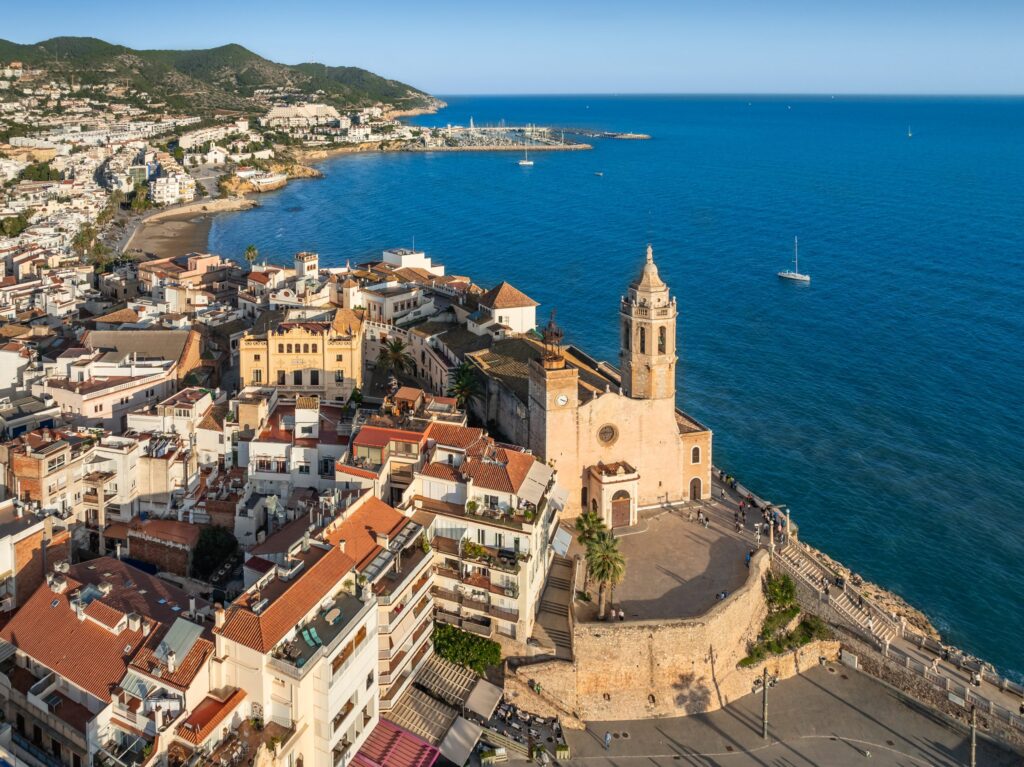
Table of Contents
Why Visit Sitges from Barcelona?
Barcelona is a phenomenal city, but after a few days of Gothic Quarter alleyways and Las Ramblas crowds, the call of the open sea becomes hard to ignore. Sitges answers that call perfectly.
Unlike many coastal day trips that require long journeys or complicated logistics, Sitges from Barcelona is refreshingly easy. The train runs frequently, the town is compact enough to explore on foot, and the beaches are clean, well-maintained, and far less crowded than Barceloneta. Add a charming old town, a thriving arts scene rooted in the late 19th century, and a famously welcoming atmosphere, and you have one of the best day trips available from any major European city.
Sitges is also one of Spain’s most LGBTQ+-friendly destinations, drawing visitors from across Europe who come for its inclusive culture, vibrant nightlife, and summer festivals. The famous Sitges Carnival is considered one of the best in Spain, and the Sitges Film Festival draws international attention every October. Even outside these events, the town pulses with a creative, cosmopolitan energy that feels distinct from anywhere else on the Catalan coast.
How to Get from Barcelona to Sitges
By Train (Recommended)
The train is by far the best way to travel from Barcelona to Sitges, and it’s the option most visitors choose for good reason. The journey is operated by Rodalies de Catalunya, the regional rail network, on the R2 Sud line. Trains depart regularly from Passeig de Gràcia, Barcelona Sants, and El Prat Airport stations.
Journey time: Approximately 35–45 minutes depending on your departure station.
Frequency: Trains run every 20–30 minutes throughout the day, making it easy to leave whenever suits you.
Cost: A return ticket costs around €8–10 per person, which includes travel on Barcelona’s metro within the integrated transport zones. Check the Rodalies website or the TMB app for current pricing, as fares are occasionally adjusted.
Tips for the train:
- Depart from Barcelona Sants for the fastest journey time
- Trains can get busy on summer weekends, so aim for an early departure (before 10am) or a mid-week visit
- The scenic stretch of coastline between Garraf and Sitges is genuinely beautiful — sit on the right side of the train if traveling south for the best sea views
- Validate your ticket before boarding at the machines on the platform
By Car
Driving from Barcelona to Sitges takes around 40 minutes via the C-32 toll motorway or the slower but more scenic C-31 coastal road. The coastal road passes through the Garraf Natural Park, which is worth the extra time if you’re not in a rush.
Parking in Sitges town center can be challenging in peak season. Several paid car parks are available near the beach and old town, but spaces fill up quickly on summer weekends. If you do drive, consider arriving early and parking outside the busiest area near the port.
Toll costs: The C-32 motorway involves a toll of approximately €4–5 each way. Factor this into your planning alongside fuel costs.
By Bus
Regular bus services connect Barcelona to Sitges, operated by Monbus. Buses depart from Barcelona Sants bus station and the journey takes around 45–60 minutes depending on traffic. Buses are slightly cheaper than trains in some cases, but they run less frequently and journey times are less predictable. For most visitors, the train remains the more convenient option.
Organized Day Tours
If you prefer to have everything arranged for you, several Barcelona tour operators offer guided day trips to Sitges. These typically include transport, a guided walking tour of the old town, museum entrance, and sometimes lunch. Prices vary widely, starting from around €40 per person. Tours are worth considering if you want expert context and don’t want to plan independently, though the freedom of an unguided visit has its own appeal.
Book Your Day Trip to Sitges Today!
When to Visit Sitges
Sitges rewards visitors in almost every season, but each period has its own character.
- Summer (June–August) is peak season. The beaches are at their most animated, the promenade buzzes with activity until late at night, and the town’s full personality comes alive. The flip side is higher prices, busier beaches, and accommodation booked well in advance if you plan to stay overnight. If you’re visiting on a summer weekend, leave Barcelona early to secure a good spot on the beach.
- Spring (April–May) and Early Autumn (September–October) are arguably the best times to visit Sitges from Barcelona on a day trip. The weather is warm enough for the beach, the crowds are thinner, and the town feels more relaxed. September is particularly pleasant — the sea is still warm from summer and many visitors have returned home.
- Carnival (February or March) transforms Sitges into one of Spain’s most spectacular party destinations. The streets fill with elaborate costumes, live music, and celebrations that continue around the clock for several days. If you can match your visit to Carnival weekend, it’s an experience unlike anything else in Spain.
- Winter is quiet but atmospheric. The beaches are empty, the old town is serene, and you can explore museums and restaurants without competition. Some beach bars and seasonal businesses close, but the permanent fabric of Sitges remains fully alive.
What to See and Do in Sitges
The Old Town (Casco Antiguo)
The historic heart of Sitges is a maze of narrow whitewashed streets clustered around the Church of Sant Bartomeu i Santa Tecla, which sits dramatically on a promontory overlooking the sea. This church, with its distinctive bell tower visible from the beach and from incoming trains, is one of the most photographed landmarks on the Catalan coast.
Wander through the old town’s lanes without a fixed agenda. You’ll discover small galleries, boutique shops selling ceramics and local crafts, flower-draped balconies, and hidden squares where locals sit over coffee. The Carrer del Pecat (“Street of Sin”) is a narrow alley famous for its concentration of bars and restaurants — the name alone tells you something about Sitges’ spirit.
The Passeig de la Ribera, the seafront promenade, connects the beach with the old town and is perfect for a slow evening walk. Lined with restaurants and overlooked by the church, this stretch captures the essence of Sitges in a single view.
The Beaches
Sitges has seventeen beaches stretching along its coastline, each with a slightly different character. The main town beaches — Platja de la Ribera and Platja de Sant Sebastià — are closest to the old town and the most popular. They’re well-equipped with sun loungers, beach bars (chiringuitos), and water sports facilities.
For a quieter experience, walk further along the coast away from the center. The beaches toward Aiguadolç and beyond are less crowded and popular with local residents. Several beaches in Sitges are clothing-optional, reflecting the town’s famously liberal attitude.
The water along this stretch of the Costa Daurada is generally calmer and cleaner than Barcelona’s city beaches, making it ideal for swimming, snorkeling, and paddleboarding. Water sports rental is available on the main beaches throughout summer.
Museu Cau Ferrat
No visit to Sitges is complete without stepping inside Museu Cau Ferrat, the former home and studio of artist Santiago Rusiñol. Built in the late 19th century from two fishermen’s cottages fused together, the museum is one of the most atmospheric art spaces in Catalonia — and one of the most underrated in Spain.
Rusiñol was a central figure in the Modernista movement, a friend of Picasso and a driving force behind Sitges’ transformation into an artistic hub. His home reflects his eclectic passions: the walls are covered with his own paintings and those of contemporaries including El Greco and Picasso, while ironwork, ceramics, tiles, and architectural fragments collected throughout his life fill every corner. The house tumbles down toward the sea on multiple levels, with windows framing the Mediterranean as part of the artwork itself.
Opening hours and admission prices are subject to change — check the Museus de Sitges website before visiting. The museum is typically closed on Mondays.
Museu Maricel
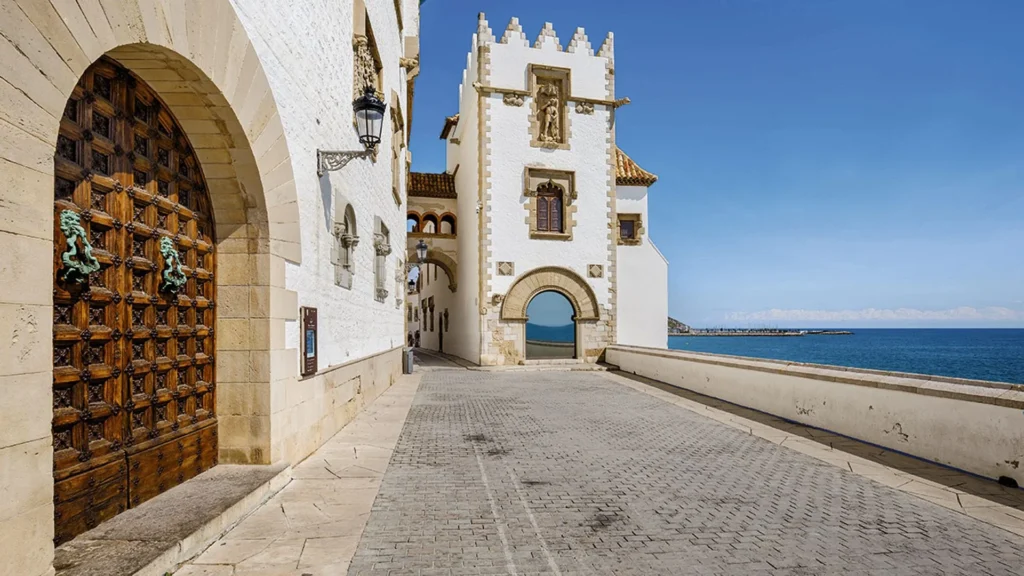
Adjacent to Cau Ferrat, Museu Maricel occupies a beautiful neo-Gothic palace built in the early 20th century. The museum contains an excellent collection of medieval art, Romanesque pieces, Gothic sculpture, and decorative arts spanning several centuries. The building itself is as impressive as the collection, with ornate stone galleries and a terrace overlooking the sea.
Both Cau Ferrat and Maricel are manageable in a single morning, making them ideal companions for a cultural half-day before heading to the beach.
Museu Romàntic Can Llopis
For something different, the Romantic Museum occupies an 18th-century bourgeois townhouse preserved with its original furnishings and décor. It offers a fascinating window into the domestic life of a wealthy Catalan family during the 19th century. One room contains a remarkable collection of historical dolls, which sounds niche but is genuinely captivating.
The Garraf Natural Park
If you arrive by the coastal road or have time to explore beyond the town, the Garraf Natural Park stretches along the coastline north of Sitges and offers some excellent walking trails with views over the sea. The landscape of rocky cliffs, pine forests, and Mediterranean scrubland is a world away from the urban sprawl of greater Barcelona. The village of Garraf, a short distance north, has a small beach and a famous Gaudí-designed winery, Celler Güell, visible from the coastal road.

Where to Eat and Drink in Sitges
Seafood and Catalan Cuisine
Sitges has a strong restaurant scene, and seafood is naturally the star. The freshest catches arrive at the town’s fish market and find their way onto menus across the old town and seafront.
La Salseta is consistently regarded as one of the best restaurants in Sitges, serving traditional Catalan cuisine with modern touches in an elegant setting. Reservations are strongly recommended.
El Pou is a popular choice for traditional local cooking at reasonable prices, with a good selection of fresh fish and regional dishes.
Along the Passeig de la Ribera, several restaurants offer paella and fideuà (the Catalan noodle equivalent of paella) with sea views. Quality varies, so look for places where locals are eating rather than those with aggressively pushy hosts at the door — a useful rule of thumb throughout Spain.
Casual Eating and Tapas
For something more relaxed, the old town’s tapas bars offer excellent value. Try pintxos and bocadillos at the market stalls and small bars tucked into the Casco Antiguo, or grab fresh fruit and snacks from the Mercat Municipal if you prefer a picnic on the beach.
Bar Voramar on the seafront is a Sitges institution — a simple, unpretentious bar serving cold beers and basic snacks with one of the best views in town.
Brunch and Coffee
Several cafés in the old town cater to the weekend brunch crowd. Picnic Sitges and various café-bars along Carrer Major offer good coffee, pastries, and light meals suitable for a mid-morning break between sightseeing and beach time.
Drinks and Nightlife
Sitges has a nightlife scene that’s famous throughout Spain, centered largely around Carrer del Pecat and the streets nearby. The bars get going late, as is the Spanish custom, and many stay open until the early hours on weekends. If you’re on a day trip, the early evening hours are the best time to soak up the atmosphere over a glass of local cava or a cold vermouth — both thoroughly appropriate drinks for this corner of Catalonia.
Practical Tips for Your Sitges Day Trip
How Long Do You Need?
A well-organized day trip gives you plenty of time to explore Sitges thoroughly. Arriving by 10am and departing after 8pm allows time for a museum visit, several hours on the beach, a proper lunch, and an evening stroll along the promenade before catching a late train back to Barcelona. If you’re primarily there for the beach, you can afford a more leisurely start, but culture-focused visitors should aim to arrive early before the museums fill up.
What to Pack
Even if you’re visiting outside peak summer season, Sitges’ Mediterranean climate means sun protection is essential. Pack sunscreen, sunglasses, and a hat regardless of the time of year. In summer, add a beach towel and swimwear — you’ll almost certainly want to get in the water.
Comfortable walking shoes are important for navigating the old town’s cobbled streets. While the town is compact, you’ll cover more ground than you expect. Bring a light layer for the evening, as sea breezes can make things cooler after sunset even in summer months.
A small day bag is preferable to a large suitcase or backpack, both for comfort and practicality. Most of Sitges is easily walkable, and you won’t need to carry more than the basics.
Money and Payments
Sitges is well set up for card payments, and most restaurants, shops, and museums accept major credit and debit cards. That said, it’s worth carrying a small amount of cash for beach bars, market stalls, and the occasional traditional establishment that still prefers it. ATMs are available in the town center.
Getting Around Sitges
The town is small enough that almost everything on a typical day trip itinerary is within easy walking distance of the train station. The main beach is a ten-minute walk from the station, and the old town is equally accessible. Taxis are available near the station if needed, and bicycle rental is an option for those who want to explore the coastline beyond the town center. Several rental shops operate near the seafront during the summer season.
Accessibility
Sitges has made progress on accessibility in recent years, but the old town’s cobbled streets and uneven surfaces can be challenging for visitors with mobility difficulties. The main promenade and seafront areas are more accessible, and the beaches have adapted facilities including beach wheelchairs available on request at the main town beaches. It’s worth contacting the local tourist office in advance if you have specific accessibility requirements.
Safety and Practical Considerations
Sitges is a safe and welcoming town, but standard travel precautions apply. Keep valuables secure on crowded beaches — a waterproof pouch or zip-locked bag is useful for keeping your phone and documents close when swimming. The train between Barcelona and Sitges can attract pickpockets at busy times, so keep bags in front of you and stay aware of your surroundings in crowded carriages.
Emergency services in Spain are reached on 112. The local tourist information office in Sitges is located near the seafront and can assist with maps, event information, and any practical queries during your visit.
Language
Catalan is the primary language of Sitges, as it is throughout Catalonia, though Spanish is widely spoken and understood. English is commonly spoken in tourist-facing businesses, particularly in restaurants, hotels, and the museums. Making an effort with a few basic phrases in Spanish or Catalan — gràcies (thank you in Catalan), hola, per favor — is always appreciated and tends to be warmly received.

Day Trip Itinerary: Making the Most of Your Time
To help you plan your visit, here’s a suggested itinerary that balances sightseeing, beach time, and food.
9:00am — Depart from Barcelona Sants on the R2 Sud line. Sit on the right side of the train for coastal views as you approach Sitges.
9:40am — Arrive at Sitges station. Walk toward the old town and pick up a coffee and a pastry at one of the cafés near Carrer Major before the day gets busy.
10:15am — Head to Museu Cau Ferrat for opening time. Spend 60–90 minutes exploring Santiago Rusiñol’s extraordinary home and art collection. Continue next door to Museu Maricel if time and energy allow.
12:00pm — Wander through the old town streets, browse the independent shops, and admire the Church of Sant Bartomeu i Santa Tecla from the promontory. Take in the views from the church terrace looking back along the coastline.
1:00pm — Settle in for a proper Catalan lunch at one of the seafront restaurants. Order fideuà or fresh grilled fish with a glass of local white wine. Allow at least 90 minutes — this is Spain, and lunch is not to be rushed.
3:00pm — Head to the beach. Rent a sun lounger on Platja de la Ribera or walk slightly further along the coast for a quieter spot. Swim, read, or simply watch the light change on the water through the afternoon.
6:30pm — Return to the old town as the heat of the afternoon fades. This is the perfect hour for a slow stroll along the Passeig de la Ribera, a cold vermouth at a seafront bar, or a final browse through the narrow streets of the Casco Antiguo.
8:00pm — Dinner at a tapas bar or restaurant in the old town. The evening atmosphere in Sitges is one of its great pleasures — unhurried, convivial, and beautifully lit as the sun drops toward the horizon.
10:00pm — Walk back to the station and catch a late train to Barcelona. Trains run until well after midnight, so there’s no need to rush your evening.
Beyond the Day Trip: Staying Overnight in Sitges
While this guide focuses on the day trip from Barcelona, it’s worth noting that Sitges genuinely rewards a longer stay. The town transforms after the day-trippers leave in the evening, becoming quieter and more authentically itself. Evening meals stretch late into the night, the bars along Carrer del Pecat come alive, and the beaches in the early morning are serenely empty.
Accommodation options range from boutique hotels in restored townhouses in the old town to larger resort hotels along the beachfront. Prices are higher in summer, particularly during Carnival and the Film Festival, when rooms book out months in advance. If you find yourself falling in love with Sitges after a day visit — which happens more often than you might expect — it’s worth returning for a night or two to experience a different pace entirely.
Check Current Prices & Availability of Accommodation in Sitges
Sitges Beyond the Highlights: Hidden Corners Worth Finding
Part of Sitges’ charm is that it continues to reveal itself the longer you spend there. Beyond the main beaches and the well-documented museums, there are quieter pleasures waiting for those willing to look.
The Vinyes dels Aspres trail above the town winds through old vineyards with panoramic views over Sitges and the coast. It’s a short hike — around 45 minutes return — and best done in the cooler morning hours or late afternoon. The vine-covered slopes were once central to Sitges’ wine-producing heritage, and the landscape retains a timeless quality that contrasts beautifully with the animated beach scene below.
The cemetery of Sitges, which sounds like an unlikely recommendation, is actually a place of genuine beauty. Set on a hillside above the town with views over the Mediterranean, it contains elaborate 19th and early 20th-century mausoleums reflecting the town’s artistic heritage and the wealth of its returned emigrants — local people who made fortunes in the Americas and came back to build grand homes and monuments. It speaks quietly but powerfully to Sitges’ complex history.
The harbor area at the southern end of town is less visited than the main beach but has a working authenticity that the tourist-heavy seafront sometimes lacks. Small fishing boats, nautical businesses, and a sailing club give this corner of Sitges a different texture, and the views back toward the old town from the harbor wall are some of the best in the area.

Final Thoughts
A day trip from Barcelona to Sitges is one of those travel experiences that consistently over-delivers. The combination of easy logistics, genuine beauty, cultural depth, and relaxed Mediterranean atmosphere makes it hard to have a bad day here. Whether you spend your hours in the museums, on the beach, wandering the old town, or simply sitting over a long lunch watching the sea, Sitges has a way of making time feel well spent.
It’s the kind of place that rewards both the first-time visitor looking for a straightforward beach escape and the returning traveler who knows to dig a little deeper into its art, history, and quieter corners. With less than an hour between Barcelona Sants and Sitges station, there’s very little standing between you and one of Catalonia’s finest coastal towns.
Pack your sunscreen, board the R2 Sud, and let Sitges do the rest.
Planning your trip to Catalonia? Make sure to check current train timetables on the Rodalies de Catalunya website and verify museum opening hours before your visit, as these can change seasonally.