Barcelona is one of Europe’s most enviable cities — a place where world-class architecture, vibrant nightlife, exceptional food, and genuinely excellent beaches collide in a way that few destinations on the planet can match. While cities like Paris or Rome demand you travel hours to reach the coast, Barcelona’s beaches sit right on the city’s doorstep, accessible by metro, on foot, or by a short taxi ride from virtually anywhere in the centre.
But here’s the thing many visitors don’t realise until they arrive: Barcelona doesn’t have just one beach. It has ten official urban beaches stretching along more than four kilometres of Mediterranean coastline, each with its own distinct personality, crowd, and atmosphere. Knowing which beach to visit — and when — can make the difference between a magical sun-drenched afternoon and a frustrating, overcrowded scramble for a patch of sand.
This is your complete Barcelona beach guide for 2027: every beach, what makes it special, who it’s best for, and everything you need to know before you go.
Table of Contents
A Brief History: How Barcelona Got Its Beaches
It might surprise you to learn that Barcelona’s famous beachfront is, in large part, a relatively modern creation. For most of the 20th century, the waterfront was an industrial zone — a gritty tangle of factories, freight railways, and working port infrastructure that physically cut the city off from its own coastline.
The transformation came courtesy of the 1992 Olympic Games. In preparation for hosting the world, Barcelona undertook one of the most ambitious urban renewal projects in European history. The industrial waterfront was demolished, kilometres of sand were imported, infrastructure was built, and the city suddenly had beaches that locals could actually use. More than three decades on, those beaches are now among the most visited in all of Europe.
Understanding this history helps explain the layout of Barcelona’s beaches today: they run in a relatively neat sequence from the southwest to the northeast, flanked by the Barceloneta neighbourhood on one end and the Fòrum district on the other.
The 10 Official Barcelona Beaches: A Complete Overview
1. Platja de Sant Sebastià
Best for: Locals, a quieter atmosphere, LGBTQ+ community, nudism Location: The southernmost urban beach, at the foot of Barceloneta
Sant Sebastià is the oldest and most historically significant of all the Barcelona beaches, and in many ways it remains the most authentic. Sitting at the southern end of the Barceloneta neighbourhood, it attracts a noticeably more local crowd than the beaches further along the strip — fewer tour groups, more Barcelonins who’ve been swimming here for decades.
The beach is also home to the Club Natació Atlètic-Barceloneta, one of the city’s most beloved swimming clubs, whose facilities extend into the sea. The southern end of Sant Sebastià is officially designated as a nudist area, and it has long been a welcoming space for the LGBTQ+ community. The promenade here is wide and well-maintained, lined with restaurants and beach bars (known locally as chiringuitos).
Sightlines from Sant Sebastià toward the city are spectacular — you get a clear view of the Barceloneta neighbourhood stacked up behind the beach, with Montjuïc rising in the background. If you want to understand why Barcelonans love their city’s relationship with the sea, start here.
2. Platja de la Barceloneta
Best for: First-time visitors, the full Barcelona beach experience, people-watching Location: The heart of the Barceloneta neighbourhood
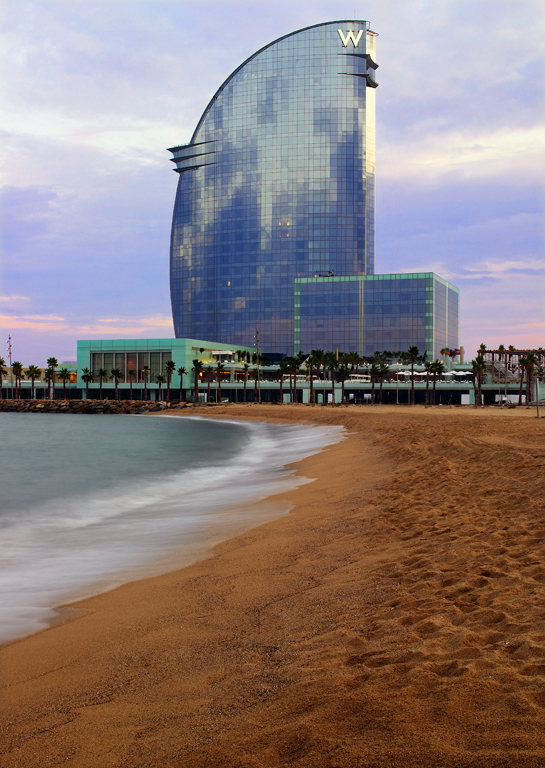
This is the Barcelona beach — the one on the postcards, the one the tourists flock to, the one that represents the city’s beach culture in the popular imagination. Barceloneta beach is busy, loud, energetic, and absolutely alive with activity from sunrise to well past sunset.
Running along the eastern edge of the historic Barceloneta neighbourhood, this stretch of sand is where you’ll find everything the classic Barcelona beach experience promises: volleyball nets, paddle tennis courts, chiringuitos serving cold beer and sangría, vendors weaving through the crowd selling cold drinks and fresh coconut, and a parade of humanity that represents every corner of the globe.
The beach is well-served by public transport, with the Barceloneta metro station (L4, yellow line) depositing you just a short walk away. Facilities here are excellent — regular lifeguard stations, accessible ramps, beach showers, and accessible toilets are all available.
Be honest with yourself about what you want: if you’re after peace and quiet, Barceloneta beach in July or August is not the place. But if you want to feel the full, glorious chaos of one of Europe’s great urban beaches, there’s nowhere better.
Practical tip: Arrive before 10am in peak summer to secure a good spot, or visit on a weekday morning when the crowds thin considerably.
3. Platja del Somorrostro
Best for: Those wanting to step slightly away from the main tourist strip Location: Immediately northeast of Barceloneta beach
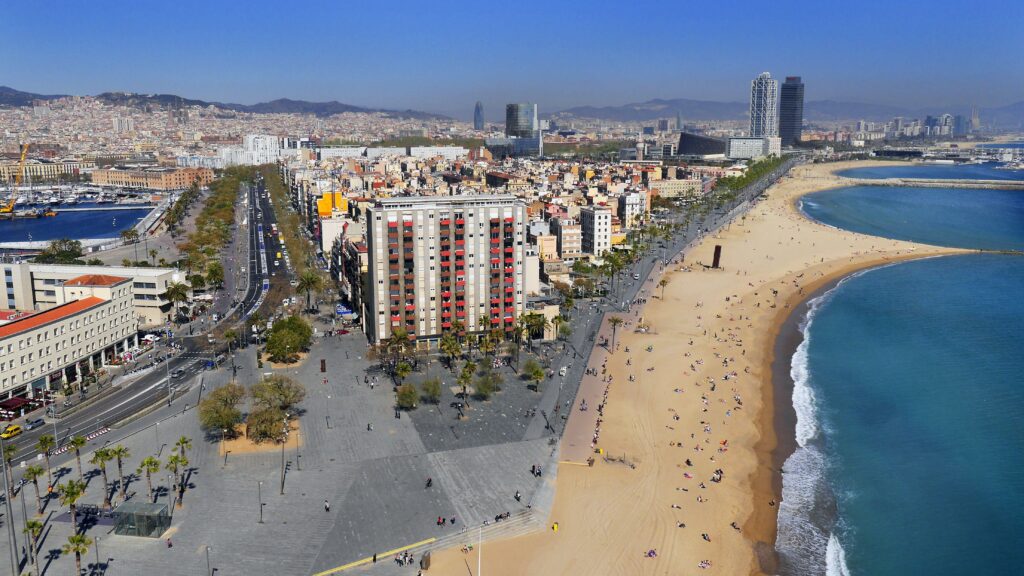
Somorrostro sits right next to Barceloneta but already feels noticeably calmer — a transition zone between the tourist-heavy stretch and the more residential beaches further along. It takes its name from the famous barrio of shacks that once stood here before the Olympic transformation.
The beach today is clean and well-maintained, with a pleasant promenade and easy access to the restaurants of the Barceloneta neighbourhood. It’s a good option for families who want reasonable facilities without the intensity of the main Barceloneta stretch.
4. Platja de la Nova Icària
Best for: Families, sports enthusiasts, a more relaxed vibe Location: Northeast of Port Olímpic
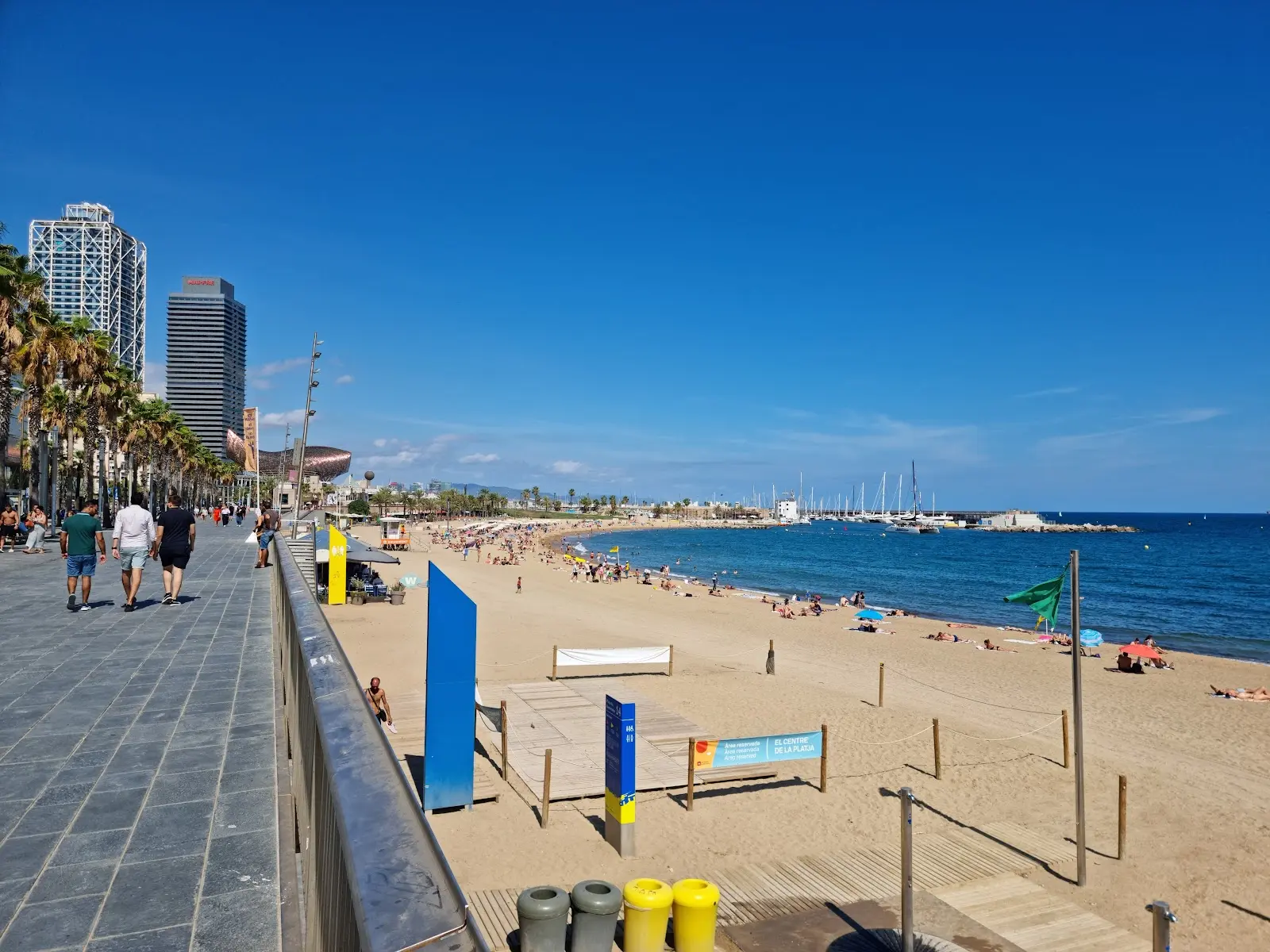
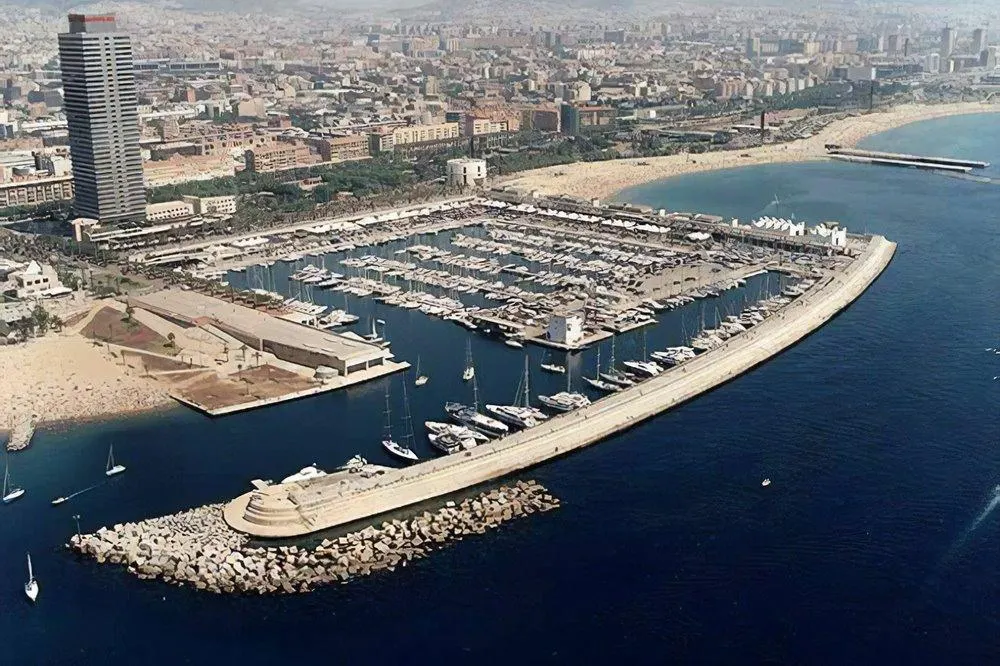
Cross the landmark twin towers of Port Olímpic — the Arts Hotel and the Mapfre Tower, two of Barcelona’s most recognisable buildings — and you enter a noticeably different beach zone. Nova Icària marks the beginning of the Olympic Village coastline, and the change in atmosphere is immediate.
The beach is broader here, the crowds thinner, and the whole place has a more spacious, neighbourhood feel. Nova Icàrias particularly popular with families and with sports-minded visitors — you’ll find volleyball courts, paddle tennis facilities, and generally more room to actually move around.
The Olympic Port itself is just steps away, offering an excellent selection of restaurants and bars if you want to make a full day of it. This is one of the best all-round beaches in Barcelona for visitors who want a genuinely enjoyable experience without fighting for space.
5. Platja de Bogatell
Best for: Locals, a relaxed atmosphere, sports Location: Northeast of Nova Icària
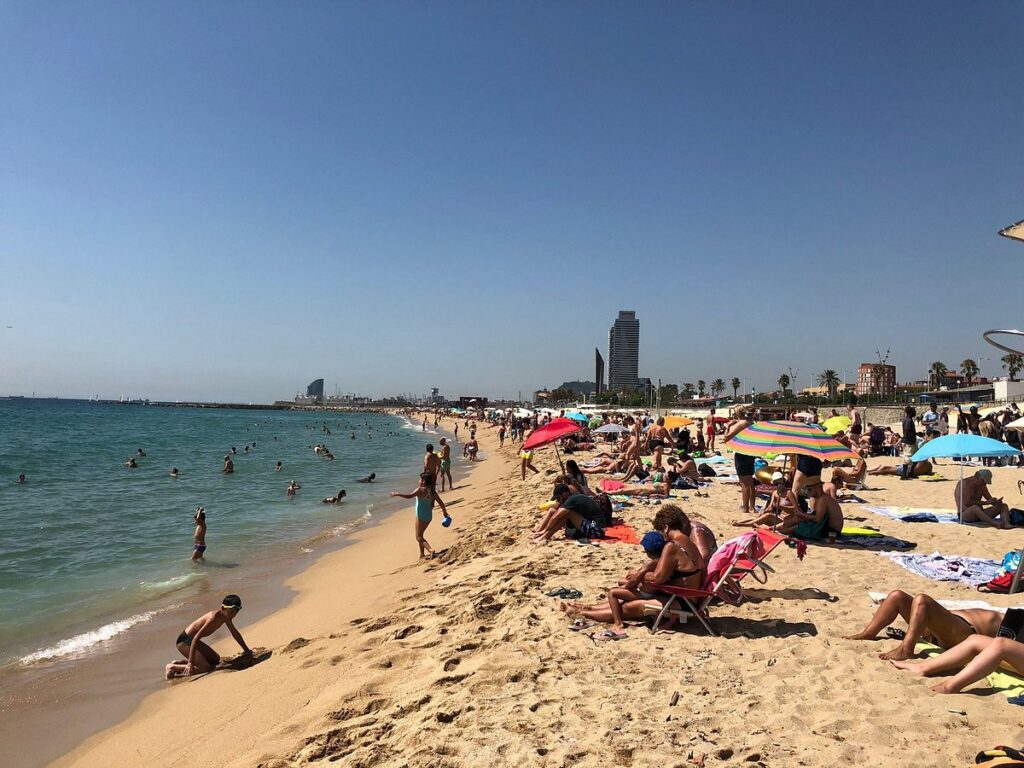
Bogatell is a local favourite and consistently ranks among the best-kept secrets of Barcelona beaches for visitors who bother to make the short journey past the Olympic Port. The beach is wide, the sand is good quality, and the crowd skews noticeably more local than the beaches closer to Barceloneta.
There are excellent sporting facilities here, including beach volleyball courts that host serious games most mornings and evenings, a running and cycling path, and good water sports hire options. The chiringuitos here tend to be slightly less tourist-oriented in their pricing, which is always welcome.
Bogatell is also directly accessible by the Llacuna or Poblenou metro stations on the L4 line, making it easy to reach from the centre despite feeling genuinely removed from the main tourist circuit.
6. Platja de la Mar Bella
Best for: LGBTQ+ community, nudism, young locals, alternative crowd Location: In the Poblenou district
Mar Bella has one of the most distinctive personalities of any of the Barcelona beaches. It’s been a centre of Barcelona’s LGBTQ+ beach culture for decades, with a dedicated nudist area at its northeastern end and a reputation for a free-spirited, inclusive atmosphere that makes it beloved by a younger, more alternative crowd.
The beach is also genuinely beautiful in its own right — wide, well-maintained, with clear water and good facilities. The Beach Bar Mar Bella is one of the best-loved chiringuitos in the city, particularly popular for its late afternoon and evening atmosphere.
For visitors looking to experience a side of Barcelona beach life that feels authentically local and a little off the usual tourist track, Mar Bella is an excellent choice. Easily reached from the Selva de Mar metro station.
7. Platja de la Nova Mar Bella
Best for: Water sports, a younger crowd, escaping the tourist hordes Location: Poblenou, northeast of Mar Bella
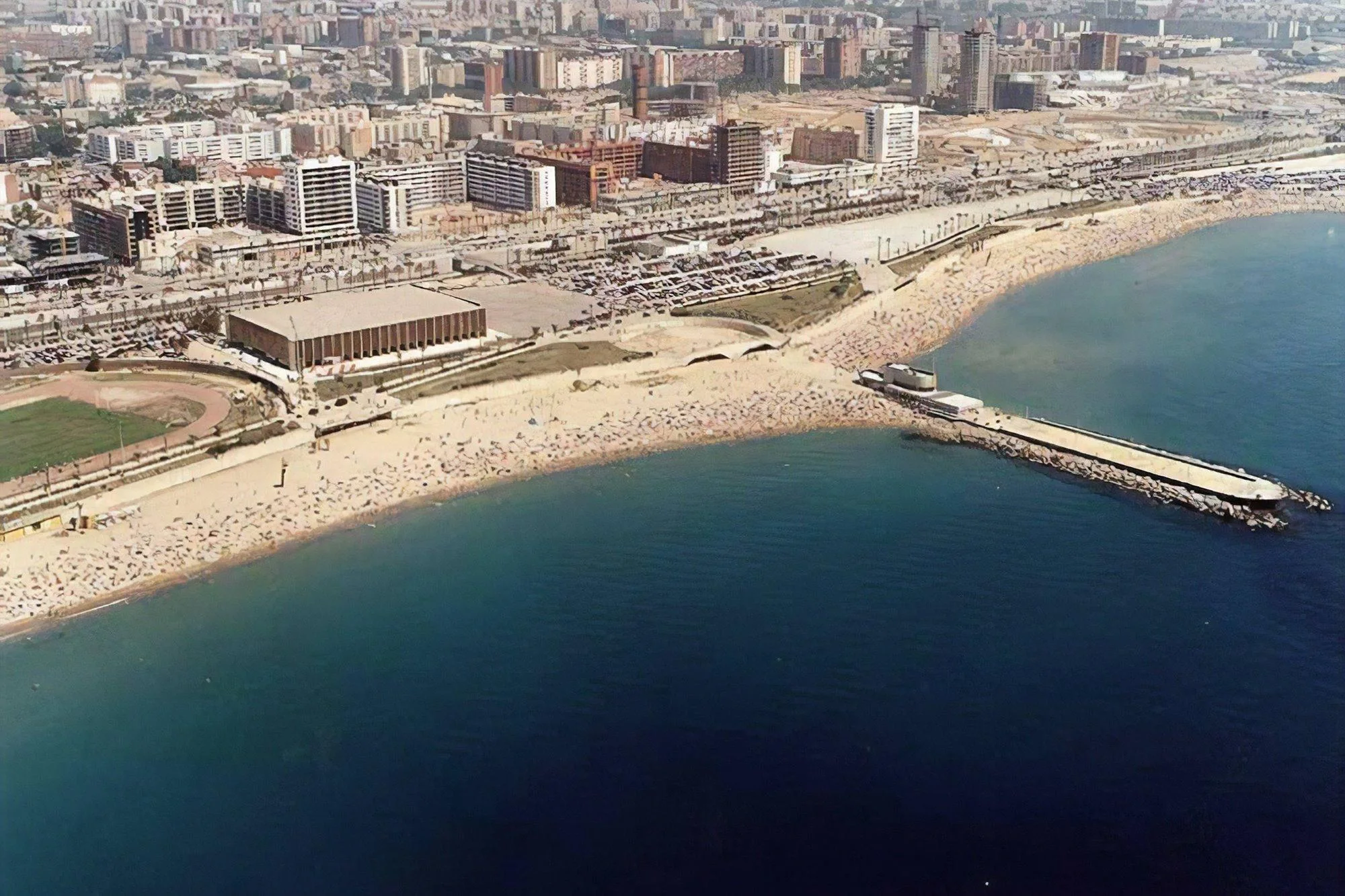
Nova Mar Bella sits adjacent to its namesake but has developed its own identity, particularly around water sports. This is one of the best spots in Barcelona for windsurfing, kitesurfing, and kayaking, with several rental and lesson operations based on the beach.
The beach is somewhat narrower than some of its neighbours, but what it lacks in width it makes up for in energy and a genuine sense of place within the Poblenou neighbourhood. As the Poblenou area has developed into one of Barcelona’s most exciting creative and tech districts (@22 innovation district borders this area), Nova Mar Bella has become increasingly popular with a younger, design-and-tech adjacent crowd.
8. Platja del Llevant
Best for: Escaping the crowds, a quieter experience, families Location: Poblenou, approaching the Fòrum
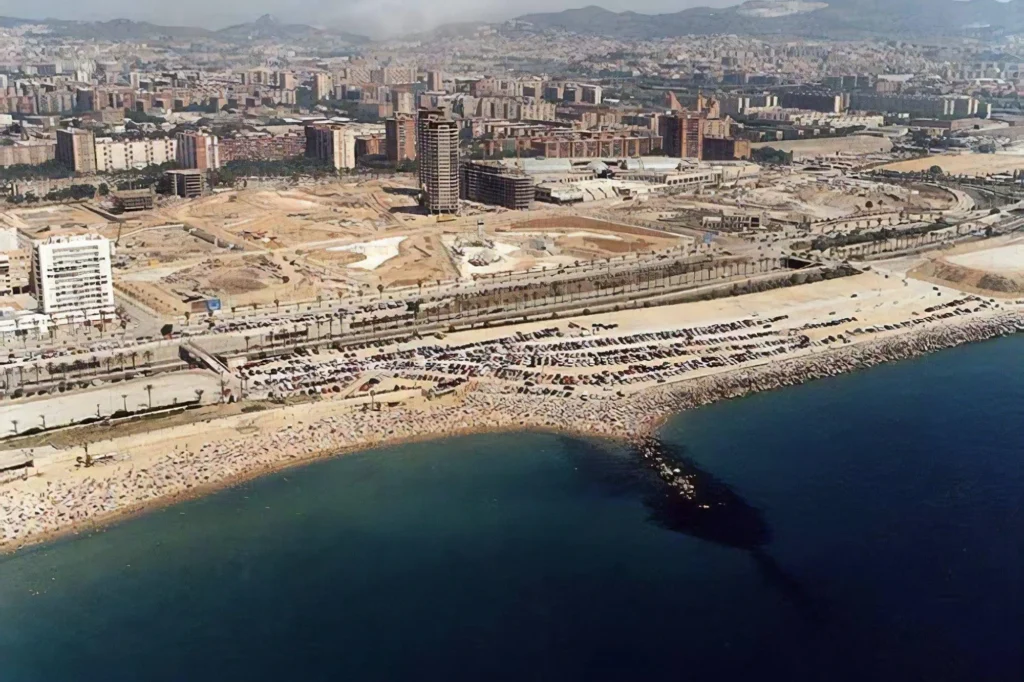
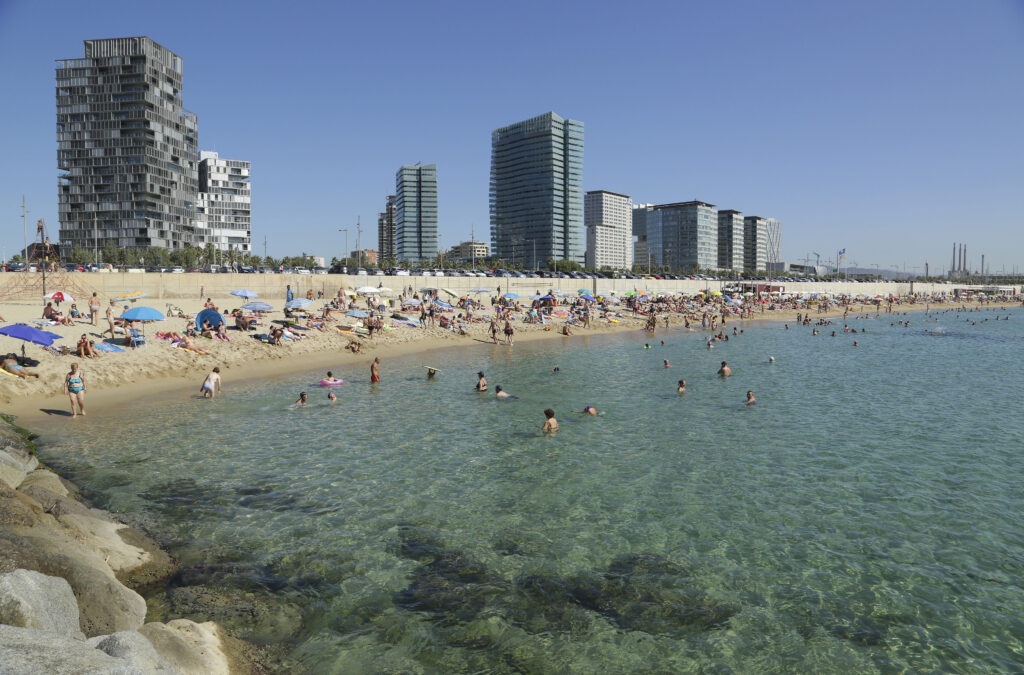
Llevant is one of the least visited of Barcelona’s official urban beaches, which makes it one of the most appealing for anyone who values space and tranquillity. Located at the far northeastern end of the Poblenou beaches, it requires a slightly longer journey but rewards those who make it with noticeably more elbow room even on the busiest summer days.
The beach is well-maintained and safe, with lifeguards on duty during summer months. Facilities are good if slightly less extensive than the beaches closer to Barceloneta. For families travelling with young children who need space to run around without constant crowd management, Llevant is genuinely one of the best beaches in Barcelona.
9. Platja del Fòrum
Best for: Water sports (especially windsurfing and kitesurfing), avoiding crowds Location: At the Fòrum complex, the northeastern end of the urban beach strip
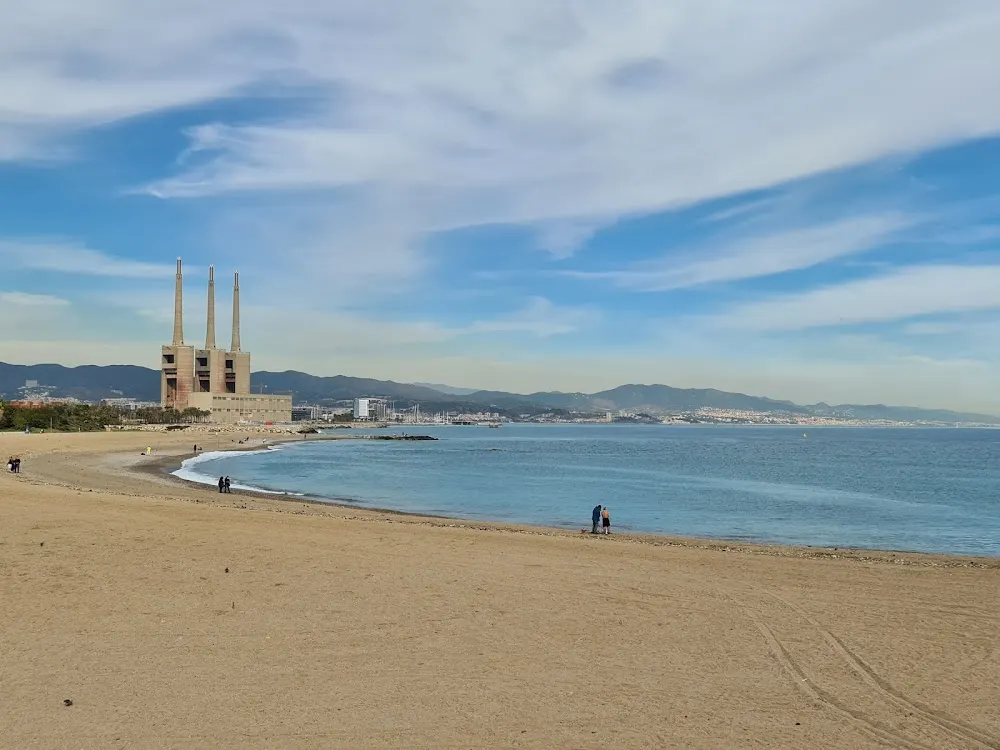
Fòrum beach sits beside the striking Fòrum esplanade — a vast public space originally built for the 2004 Universal Forum of Cultures — and has a distinctly different character from the beaches further southwest. The geography here means it’s consistently windier than other Barcelona beaches, which makes it slightly less appealing for sunbathing but absolutely ideal for wind-powered water sports.
Several established kitesurfing and windsurfing schools operate from Fòrum, and on a breezy afternoon the sight of dozens of coloured kites above the water is genuinely spectacular. The beach also benefits from the photogenic backdrop of the Fòrum buildings and the large solar panel installation that’s become something of a local landmark.
Accessible via the El Maresme | Fòrum stop on the L4 metro line.
10. Platja de la Marbella (Club Natació)
Best for: Serious swimmers, those wanting sports facilities Location: Adjacent to Sant Sebastià
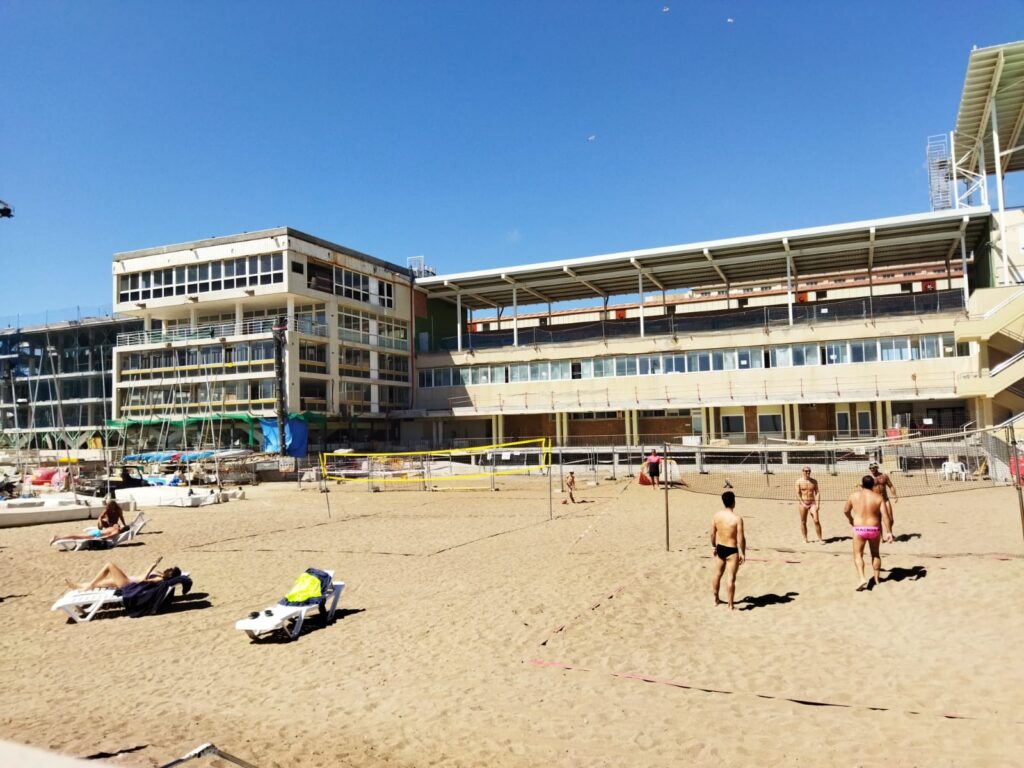
Technically associated with the Club Natació facilities, this small beach at the southern end of the strip is worth mentioning for its distinctive character as a swimmer’s beach rather than a sunbather’s beach. The swimming club’s facilities — including heated indoor pools, a gym, and changing rooms — are available to day visitors for a reasonable fee, making this an excellent option on cooler or cloudier days when a dip in the open Mediterranean feels less appealing.
Essential Barcelona Beach Tips for 2026
Getting to the Beaches
The easiest and most sustainable way to reach the beaches from central Barcelona is the L4 metro line (yellow line), which has stops at Barceloneta, Ciutadella | Vila Olímpica, Poblenou, Llacuna, Selva de Mar, and El Maresme | Fòrum. A single metro ticket costs €2.55 in 2026, though the T-Casual 10-trip card offers better value at around €12.15.
Cycling is increasingly popular and practical — Barcelona’s Bicing bike-share scheme and multiple rental operators mean you can cycle the entire beachfront easily on the dedicated seaside cycling path.
Taxis and rideshare apps are available but remember that dropping close to the beach in peak summer can be slow due to traffic.
What to Know About Safety
All official Barcelona beaches are supervised by lifeguards during the summer season (approximately June to September). Flag systems operate on all beaches:
- Green flag: Safe to swim
- Yellow flag: Caution advised
- Red flag: No swimming — water conditions are dangerous
Petty theft is a genuine issue on Barcelona beaches, particularly on the busier stretches closer to Barceloneta. Keep the following in mind:
- Never leave valuables unattended on the sand, even for a moment. Thieves work quickly and often in pairs — one to distract, one to take.
- Leave expensive jewellery, cameras, and large amounts of cash at your hotel. A waterproof phone pouch worn around your neck or wrist is a sensible investment.
- Be aware of your surroundings when settling in. If someone approaches you with an unsolicited offer or conversation, be alert to what’s happening around your belongings.
- Use the free luggage lockers available at some beach access points during peak season, or consider a beach safe bag.
- The further northeast you go along the beach strip, the fewer opportunistic theft issues you tend to encounter, simply because the crowds are thinner.
Beach Facilities and Accessibility
Barcelona has made significant improvements to beach accessibility in recent years, and in 2026 the facilities are genuinely good across most of the official beaches. Every official beach has:
- Showers and foot-washing stations (free to use)
- Public toilets (some require a small coin)
- Lifeguard stations during summer months
- Accessible ramps to the waterline for wheelchair users
- Adapted beach wheelchairs available free of charge at several beaches — look for the Serveis de la Platja (Beach Services) huts
Barceloneta and Nova Icària have the most comprehensive accessibility facilities, including beach mats that extend to the water’s edge for wheelchair and mobility aid users.
Water Quality
Barcelona’s beaches consistently receive good water quality ratings from European environmental authorities. The EU Bathing Water Directive assessments rate the majority of Barcelona’s beaches as “Excellent” — the highest possible category — which is a remarkable achievement for an urban beach environment in a city of 1.6 million people.
Occasionally after heavy rainfall, some beaches may receive temporary swimming restrictions due to runoff from the city’s drainage system. Check the Banys de Barcelona app or the Barcelona City Council website for real-time water quality updates before visiting.
The Best Time to Visit Barcelona Beaches
June is arguably the sweet spot for Barcelona beaches in 2026. The water is warm enough to swim comfortably (typically around 22–24°C), the days are long, and the summer tourist peak hasn’t yet reached its full intensity. Crowds are manageable, and prices for accommodation and food remain somewhat below July and August rates.
July and August are peak season in every sense — the beaches are at their most vibrant and their most crowded. If you’re visiting during these months, the strategies that make the difference are simple: arrive early (before 10am), choose beaches further northeast along the strip, or embrace the evening beach culture that Barcelonans love and head down after 6pm when the heat has softened and the light is golden.
September is an underrated gem. The sea retains its summer warmth (often 25°C or above), the crowds begin to thin as European school holidays end, and the city itself feels more relaxed and authentically local. Many regular visitors to Barcelona quietly consider September their favourite month for the beaches.
October brings cooler air but can still offer pleasant beach days, particularly in the first half of the month. Swimming is possible for hardier souls, and the beaches in low season have a melancholy beauty of their own.
Winter (November through March) sees the beaches largely quiet, though locals use the promenade year-round for walking, running, and cycling. Occasional warm spells — known as veranillo de San Martín in November — can bring surprising beach-going weather even in the cooler months.
Beyond the City: Beaches Near Barcelona City Centre and Further Afield
While the urban beaches are exceptional for their convenience, the Catalan coastline offers some extraordinary options for day trips and half-day excursions that reward the extra effort.
Sitges (35–40 minutes by train)
Sitges is the most popular beach day trip from Barcelona, and for good reason. This charming coastal town south of Barcelona offers a string of beautiful beaches, a picturesque whitewashed old town, excellent seafood restaurants, and a famously welcoming atmosphere — it’s particularly well-known as one of Spain’s most LGBTQ+-friendly destinations.
The direct RENFE train from Passeig de Gràcia or Barcelona Sants takes around 35–40 minutes and runs frequently throughout the day. The beaches closest to the town centre — Platja de la Ribera and Platja dels Balmins (the latter being a naturist beach) — are the most popular, but walking in either direction reveals quieter coves.
Castelldefels (25–30 minutes by train)
Closer than Sitges and less well-known among international tourists, Castelldefels offers a long, wide stretch of beach backed by a lively strip of seafood restaurants specialising in fideuà (a noodle-based cousin of paella) and fresh grilled fish. The beach here is noticeably wider and less crowded than Barcelona’s urban beaches, making it particularly good for families.
Costa Brava (1.5–2 hours by car or bus)
For those with a full day and a sense of adventure, the Costa Brava to the northeast of Barcelona is one of the most spectacular stretches of Mediterranean coastline in Europe. Towns like Tossa de Mar, Calella de Palafrugell, and Begur offer dramatic cliff scenery, crystal-clear water in sheltered coves, and a strong sense of traditional Catalan coastal culture. Getting there independently requires a car or the SAGALÉS bus service from the Nord bus station.
El Masnou and Premià de Mar (20–25 minutes by train)
These quieter coastal towns north of Barcelona on the Maresme coast are popular with local families precisely because they’re not on the tourist radar. Clean beaches, good local restaurants, and easy train access from Barcelona’s Passeig de Gràcia station make them excellent choices for a half-day escape.
Barcelona Beach Culture: What to Expect and How to Fit In
Understanding how Barcelonans actually use their beaches helps you enjoy them more and respect the local culture that makes them special.
The beach day starts late and ends late. Don’t expect to find many locals on the beach before 11am. The Spanish relationship with time means that the beach fills up from late morning, reaches peak activity around 1–3pm, empties slightly during the hottest part of the afternoon, and then fills again from around 5pm until sunset and beyond. Evening beach visits — particularly during summer — are a genuine cultural institution.
Chiringuitos are central to the experience. These beach bars range from simple shacks serving cold beer and basic snacks to surprisingly sophisticated establishments with full menus. Learning a few orders in Spanish or Catalan goes a long way: una caña (a small draft beer), agua con gas (sparkling water), or una Estrella bien fría (a nice cold Estrella lager) will make you friends immediately.
Beach volleyball is serious business. The nets on Barcelona’s beaches see genuinely competitive games, particularly in the early morning and early evening. Watch before attempting to join in — the standard is often higher than it looks.
The paseo tradition is alive and well. Barcelona’s beachfront promenade is used for walking, cycling, skating, and simply being seen at all hours. Even if you’re not swimming or sunbathing, a walk along the passeig marítim as the sun goes down is one of the great simple pleasures of any visit to the city.
Respect the no-glass rule. Glass containers are strictly prohibited on all Barcelona beaches. Stick to cans or plastic, and use the recycling bins provided — Barcelona takes its environmental responsibilities seriously, and beach cleanliness is a genuine point of local pride.
Quick Reference: Barcelona Beaches at a Glance
| Beach | Best For | Crowd Level (Peak) | Nearest Metro |
|---|---|---|---|
| Sant Sebastià | Locals, LGBTQ+, nudism | Moderate | Barceloneta |
| Barceloneta | First-timers, atmosphere | Very High | Barceloneta |
| Somorrostro | Families, relaxed vibe | Moderate-High | Barceloneta |
| Nova Icària | Families, sports | Moderate | Ciutadella/Vila Olímpica |
| Bogatell | Locals, sports | Moderate | Llacuna |
| Mar Bella | LGBTQ+, nudism, alternative | Moderate | Selva de Mar |
| Nova Mar Bella | Water sports, young crowd | Low-Moderate | Selva de Mar |
| Llevant | Quiet, families | Low | El Maresme/Fòrum |
| Fòrum | Windsurfing, kitesurfing | Low | El Maresme/Fòrum |
| Marbella (Club Natació) | Serious swimmers | Low | Barceloneta |
Final Thoughts
Barcelona’s beaches are one of the great urban miracles of modern Europe — a reminder of what’s possible when a city commits to reimagining its relationship with the natural world. From the glorious chaos of Barceloneta to the wind-kissed calm of Fòrum, from the inclusive spirit of Mar Bella to the old-soul authenticity of Sant Sebastià, the ten beaches of Barcelona offer something genuinely different for every kind of visitor.
The best advice for anyone planning a beach visit to Barcelona in 2027 is simply this: don’t just stop at Barceloneta. Walk a little further, take the metro one more stop, and discover a beach that feels like it was made for you. The Mediterranean is patient, the sun is generous, and the city stretching out behind you as you float on your back in the warm blue water is, without question, one of the finest views in the world.
¡Buen baño!