
Just an hour from the bustling streets of Barcelona lies one of Catalonia’s most awe-inspiring destinations — a jagged mountain range that seems almost too dramatic to be real. Montserrat, with its saw-toothed peaks, ancient monastery, and sweeping views over the Catalan countryside, is without question one of the most rewarding day trips from Barcelona. Whether you’re a spiritual pilgrim, an outdoor adventurer, a lover of art and history, or simply someone who appreciates jaw-dropping scenery, Montserrat delivers on every front.
In this comprehensive guide, we’ll cover everything you need to know about visiting Montserrat from Barcelona — from the best ways to get there to the top tours worth booking, and everything in between.
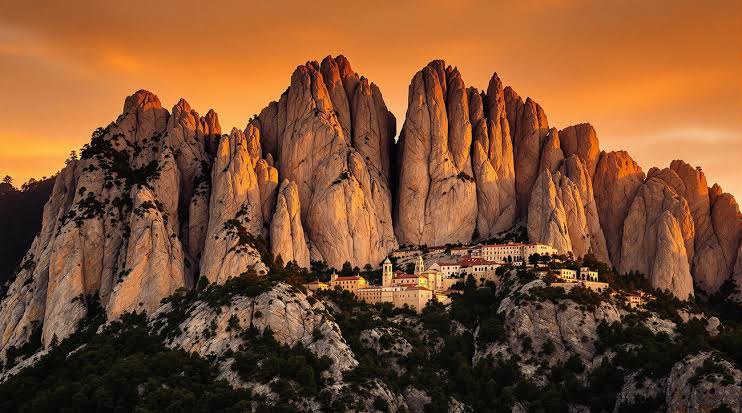
Table of Contents
What Is Montserrat?
Montserrat is a multi-peaked rocky mountain located in the municipality of Monistrol de Montserrat, about 50 kilometers northwest of Barcelona. The name itself means “serrated mountain” in Catalan — an apt description for the unusual, almost otherworldly rock formations that characterize the range.
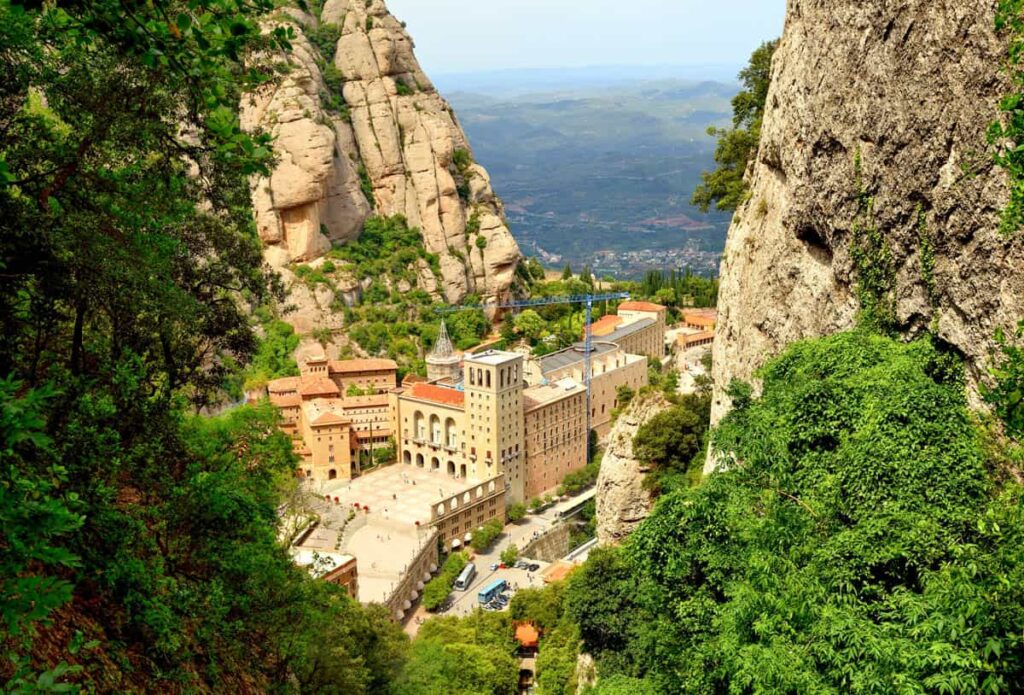
The mountain is home to the Santa Maria de Montserrat Abbey, a Benedictine monastery that has been a major pilgrimage site since the 12th century. At its heart lies the venerated Black Madonna (La Moreneta), a Romanesque wooden statue that is the patron saint of Catalonia. Millions of visitors make the journey each year — some for faith, some for culture, and many simply for the extraordinary natural beauty of the place.
Beyond the monastery, Montserrat offers a network of hiking trails, two funiculars, a museum packed with art treasures, and panoramic viewpoints that stretch all the way to the Pyrenees on a clear day.
How to Get to Montserrat from Barcelona
One of the most common questions travelers ask is simply: how do you get to Montserrat? The good news is that there are several reliable and reasonably affordable options, depending on your budget, group size, and preferred travel style.
1. Barcelona to Montserrat by Train (FGC + Rack Railway or Cable Car)
The most popular and budget-friendly way to reach Montserrat is by using the combination of the FGC commuter train and either the Cremallera rack railway or the Aeri de Montserrat cable car.
Step-by-Step: Barcelona to Montserrat Train Route
- Depart from Plaça Espanya station in Barcelona, taking the FGC R5 line (direction Manresa). Trains run frequently throughout the day, roughly every hour.
- The journey to Monistrol de Montserrat (for the rack railway) or Aeri de Montserrat (for the cable car) takes approximately 60–75 minutes.
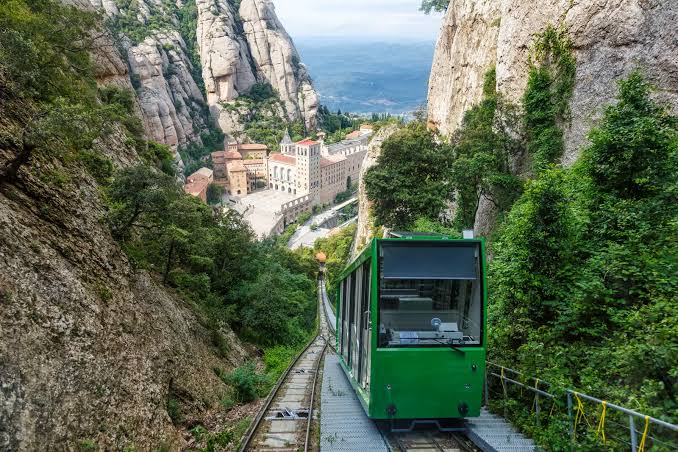
- From Monistrol de Montserrat, board the Cremallera rack railway, which takes about 15 minutes to climb up to the monastery.
- Alternatively, disembark at the Aeri de Montserrat stop and take the cable car, which offers a more thrilling ascent and takes just 5 minutes, though it can be subject to closure in high winds.
Montserrat Train Tickets & Passes
The easiest and most economical option is to purchase the Tot Montserrat or Trans Montserrat combined packages, available directly from FGC. These bundles include:
- Trans Montserrat: Round-trip train from Barcelona + rack railway or cable car + unlimited use of the two mountain funiculars
- Tot Montserrat: Everything in Trans Montserrat + museum entry + a meal at the cafeteria
These passes represent excellent value and streamline the logistics considerably. You can purchase them online in advance or at the Plaça Espanya FGC ticket office.
Tip: Book your Barcelona to Montserrat train tickets in advance, especially during peak season (summer and Easter week), as trains can fill up quickly.
2. Driving to Montserrat from Barcelona
If you’re renting a car or traveling with a group, driving is a convenient option. The drive from Barcelona to Montserrat takes about 60–75 minutes depending on traffic, following the A-2 motorway toward Lleida and then taking the exit toward Monistrol de Montserrat.
There are paid parking areas near the base of the mountain, and you can then take the rack railway or cable car up to the monastery. Driving gives you the freedom to arrive early (highly recommended) and explore at your own pace, but parking costs and tolls add up, especially for solo travelers.
3. By Bus
Several private coach operators run direct bus services from central Barcelona to Montserrat. While less frequent than the train, buses are a comfortable option and typically depart from the Carrer de Viriat area near Sants station. Journey times are roughly similar to the train, though buses can be affected by road traffic. Check current schedules with operators like Julia Travel for the most up-to-date timetables.
Montserrat Tours from Barcelona
While the DIY train route is very manageable, many visitors prefer the convenience and added context of a guided tour. A Montserrat tour from Barcelona typically includes transport, a guided visit to the monastery, and often some hiking or additional experiences. Here are the best options available:
1. Small Group Guided Day Tours
Small group tours (usually capped at 10–15 people) are ideal for travelers who want a balance of structure and intimacy. These tours typically depart from central Barcelona in the morning and return in the late afternoon.
What’s typically included:
- Air-conditioned coach or minibus transport
- English-speaking licensed guide
- Guided tour of the monastery and Basilica
- Visit to see the Black Madonna
- Time for hiking or exploring independently
- Optional museum entry
These tours generally last 7–8 hours and prices typically range from €50–€90 per person depending on what’s included. Companies such as Viator, GetYourGuide, Context Travel, and Civitatis offer well-reviewed small group options.
Best for: Solo travelers, couples, and small groups who want expert context without the mass-tour feel.
Book Your Day Trip Today!
2. Private Montserrat Tours
For families, couples celebrating a special occasion, or travelers who simply prefer a personalized experience, a private tour is worth the additional cost. A private guide can tailor the itinerary to your interests — whether that’s spending more time in the art museum, attempting a longer hike to the Sant Joan chapel, or visiting at a pace that suits young children or elderly travelers.
Private tours can be booked through local guide associations in Barcelona or platforms like Viator and GetYourGuide. Prices typically start around €150–€250 for a private vehicle and guide, though this varies depending on group size and duration.
Best for: Families, groups with specific interests, or those celebrating special occasions.
Book Your PRIVATE Montserrat Tour Today!
3. Self-Guided Audio Tours
If you want the information of a guided tour without the fixed schedule, several providers now offer downloadable audio guides for Montserrat. These apps guide you through the monastery, its art treasures, and the surrounding trails at your own pace. Pair this with the FGC train package and you have a highly flexible and cost-effective day trip.
Apps like GPSmyCity offer Montserrat walking tours, and the monastery itself provides audio guides for rent at the site.
Best for: Independent travelers who prefer flexibility but still want informative commentary.
4. Montserrat + Wine Country Combo Tours
Montserrat sits in the heart of Catalonia’s wine country, and many tour operators now offer combined Montserrat and Penedès wine region tours. These day trips typically visit the mountain in the morning before heading to a local winery in the afternoon for a tour and tasting. The Penedès region is famous for its cava (Spanish sparkling wine) and increasingly, its still wines.
This combination is a fantastic way to experience two very different sides of Catalonia in a single day. Expect prices from €75–€120 per person for small group versions.
Best for: Wine lovers and travelers wanting to maximize their time outside Barcelona.
Book Your Montserrat and Wine Country Combo Tour Today!
5. Montserrat Sunrise & Photography Tours
For photographers and early risers, several specialist operators offer sunrise tours that get you to the mountain before the crowds arrive. These typically involve a very early departure from Barcelona (often before 6am) and focus on the extraordinary light conditions at dawn over the rocky peaks.
The mountain at sunrise, with mist occasionally filling the valleys below and the monastery still quiet, is an experience that stays with you long after you’ve left Catalonia.
Best for: Photography enthusiasts and travelers who want to avoid peak crowds.
What to Do When You Arrive at Montserrat
Whether you’ve taken the Barcelona to Montserrat train or arrived on a guided tour, here’s what not to miss once you’re up on the mountain:
Visit the Basilica and the Black Madonna
The centerpiece of any Montserrat day trip is undoubtedly the Basilica of Santa Maria de Montserrat. Even if you’re not religious, the interior of this 16th-century church is deeply moving, with its gold-encrusted altarpiece and centuries of devotional art. The queue to venerate the Black Madonna can be long during peak season, but most visitors agree it’s worth the wait. She sits in a chapel behind and above the main altar, her right hand extending a golden orb to visitors.
Attend the Choir Performance
The Escolania de Montserrat is one of Europe’s oldest and most prestigious boys’ choirs, with a history stretching back to the 13th century. The choir performs daily at 1pm (and additional times on certain days), and hearing their voices rise through the vaulted stone ceiling of the basilica is genuinely one of the most memorable experiences Montserrat has to offer. Check the official monastery website for the current performance schedule before your visit.
Explore the Montserrat Museum
The Montserrat Museum is far better than most visitors expect. Its collection includes works by El Greco, Caravaggio, Monet, Picasso, and Dalí, as well as important archaeological pieces from the Near East and a collection of Romanesque religious art. The modern Catalan art section is also outstanding. If you’ve purchased the Tot Montserrat package, entry is included.
Take the Funiculars
Two funicular railways operate on the mountain:
- Funicular de Sant Joan: Climbs to the upper part of the mountain, from where you can hike to the Sant Joan chapel and several scenic viewpoints. The views from up here, looking down over the monastery and out across Catalonia, are spectacular.
- Funicular de Santa Cova: Descends to the Santa Cova chapel, built on the site where legend says the Black Madonna was discovered by shepherds in the 9th century. The path down is lined with sculptures by notable Catalan artists including Gaudí and Puig i Cadafalch.
Both funiculars are included in the Trans Montserrat and Tot Montserrat travel passes.
Hiking Trails
Montserrat has an excellent network of well-marked trails for all fitness levels. Some highlights include:
- Sant Joan Trail (2–3 hours, moderate): Starting from the top of the Sant Joan funicular, this circular route offers extraordinary views.
- Santa Cova Trail (45 minutes, easy): A pleasant downhill walk with artistic sculptures along the way.
- Sant Jeroni Summit (4–5 hours, challenging): The highest point on the mountain at 1,236 meters, with panoramic views extending to the Pyrenees and, on very clear days, Mallorca.
Best Time to Visit Montserrat
- Early morning visits (arriving before 10am) are strongly recommended to beat the worst of the crowds. Montserrat receives over 2 million visitors annually, and midday in high season can feel genuinely overwhelming around the monastery.
- Spring (April–June) and early autumn (September–October) offer the most pleasant weather for hiking and the best visibility for views. Summers can be hot and very crowded. Winter visits have their own magic — the mountain is often quieter, and on clear winter days the visibility can be exceptional.
- Avoid visiting on September 27th, the Feast of La Moreneta, unless you specifically want to experience the major pilgrimage celebrations — it’s beautiful but extraordinarily busy.
Practical Tips for Your Montserrat Day Trip
- Start early: Take the first or second FGC train of the day from Plaça Espanya to avoid the midday rush at the monastery.
- Book tickets in advance: Especially during summer, Easter, and Spanish public holidays, the FGC trains and cable car can reach capacity. Purchase your combined pass online before your trip.
- Wear comfortable shoes: Even if you don’t plan to hike extensively, the paths around the monastery involve uneven stone surfaces and some gentle inclines. Sturdy footwear makes a significant difference.
- Bring layers: The mountain sits at roughly 700 meters above sea level at the monastery level, and temperatures can be noticeably cooler than Barcelona, particularly in the morning and evening. Wind can also pick up significantly at higher elevations.
- Pack water and snacks: There are cafeterias, a restaurant, and a small supermarket at the monastery complex, but prices are higher than you’d pay in Barcelona. Bringing your own water and a packed lunch is a good idea, especially if you plan to hike.
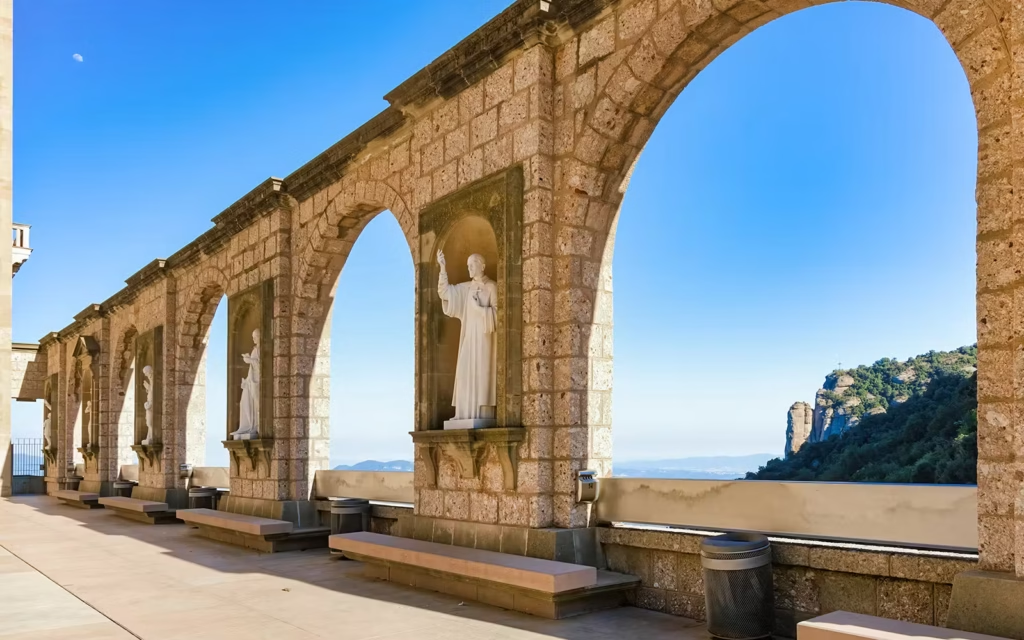
- Respect the religious site: The monastery is an active place of worship. Dress modestly when entering the basilica — shoulders and knees should be covered — and maintain a respectful tone inside the church, particularly during choir performances or services.
- Allow a full day: Montserrat rewards those who linger. A rushed two-hour visit barely scratches the surface. Plan for at least 5–6 hours on the mountain, or ideally a full day if you want to hike and visit the museum.
- Check the cable car status: The Aeri de Montserrat cable car operates year-round but closes in strong winds. If you’re planning to use it, check conditions in advance and have the rack railway as a backup plan.
- Photography: The light on the rock formations is best in the early morning and late afternoon. If you’re serious about photography, timing your visit around these golden hours will yield dramatically better results.
- Connectivity: Mobile signal on the mountain is generally good with major Spanish carriers, but can be patchy on some of the higher trails. Download offline maps before your visit if you plan to hike independently.
Getting Back to Barcelona from Montserrat
The return journey is straightforward using the same routes you took to arrive. If you came by FGC train, simply take the rack railway or cable car back down to the valley station and board the R5 line back to Plaça Espanya. Trains run until late evening, but check the last departure time before you head up — missing the last train would be an unwelcome end to an otherwise perfect day.
If you’ve taken a guided tour, your return transport will be arranged as part of the package. Most tours return to Barcelona between 5pm and 7pm, giving you a pleasant evening to reflect on the day over dinner in the city.
For those who drove, the return journey along the A-2 back toward Barcelona takes approximately 60–75 minutes, though rush hour traffic on weekday evenings can extend this considerably. If you’re driving back during peak hours, consider stopping for dinner in a nearby town like Manresa or Igualada before rejoining the motorway.
Is Montserrat Worth It? Honest Verdict
In short: absolutely yes. Montserrat is one of those rare destinations that genuinely lives up to — and often exceeds — its reputation. The combination of extraordinary geology, profound spiritual atmosphere, world-class art, and excellent hiking opportunities in a single location just an hour from a major European city is genuinely remarkable.
Yes, it can be crowded at peak times. Yes, the cafeteria food is overpriced. And yes, the cable car queue on a busy Saturday in August will test your patience. But none of these minor inconveniences come close to outweighing what Montserrat offers. Plan smartly — go early, book ahead, and allow yourself plenty of time — and you’ll almost certainly count it among the highlights of your time in Catalonia.
Whether you choose the independence of the Barcelona to Montserrat train route or the added convenience and context of a Montserrat tour from Barcelona, the mountain is waiting — ancient, serene, and as spectacular as ever.
Quick Reference: Montserrat from Barcelona at a Glance
| Detail | Information |
|---|---|
| Distance from Barcelona | ~50 km (31 miles) |
| Journey time by train | ~60–75 minutes (FGC R5 line) |
| Departure station | Plaça Espanya, Barcelona |
| Best combined pass | Trans Montserrat or Tot Montserrat |
| Recommended visit duration | 5–8 hours (full day ideal) |
| Best time to visit | Spring or early autumn; arrive before 10am |
| Museum included in | Tot Montserrat pass |
| Choir performance time | 1pm daily (check schedule) |
| Highest point (Sant Jeroni) | 1,236 meters |
| Guided tour price range | €50–€90 (small group); from €150 (private) |
Final Thoughts
A Montserrat day trip from Barcelona is more than just a tick on a tourist itinerary — it’s a genuine encounter with one of Europe’s most extraordinary places. From the moment the rack railway emerges above the treeline and the full drama of those serrated peaks comes into view, to the quiet reverence inside the basilica and the sweeping panoramas from the upper trails, Montserrat has a way of making you feel very small in the best possible sense.
Go once, and you’ll understand why Catalans have been making this pilgrimage for over a thousand years. You may even find yourself planning a return visit before you’ve made it back down the mountain.