Barcelona after dark is a world unto itself — a city that doesn’t just tolerate late nights but practically demands them. While most European cities begin winding down around midnight, Barcelona’s streets grow louder, its terraces fill up, and its clubs don’t hit their stride until well past 2 AM.
Whether you’re a first-time visitor trying to navigate the chaos or a seasoned traveler looking for something beyond the tourist trail, this comprehensive Barcelona nightlife guide has everything you need to make your nights unforgettable.
From sophisticated cocktail bars in the Gothic Quarter to world-class superclubs in Poble Sec, here’s your definitive guide to Barcelona nightlife. For more information about Barcelona’s Food and Drink scene check out our guide: “Traditional Barcelona Food and Drink – It’s the Best!“
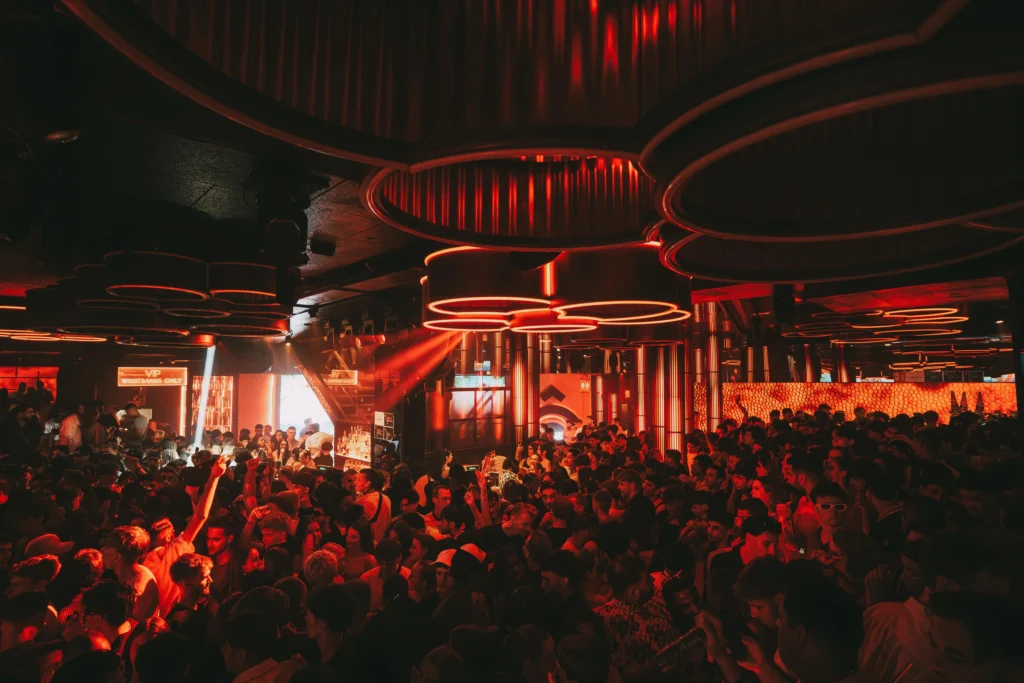
Table of Contents
Understanding Barcelona’s Nightlife Culture
Before diving into specific venues, it’s worth understanding how nightlife actually works in Barcelona. The city operates on a schedule that would shock most visitors from northern Europe or North America.
The Barcelona Timeline:
- 9–11 PM: Pre-dinner drinks (vermut or aperitivo culture)
- 10 PM–Midnight: Dinner (yes, really)
- Midnight–2 AM: Bar hopping and warming up
- 2–4 AM: Clubs begin to fill
- 4–6 AM: Peak club hours
- 6 AM onwards: Afters and after-parties
Don’t make the rookie mistake of arriving at a club at midnight — you’ll be dancing alone with the staff. Patience is part of the culture, and the rewards for keeping up are extraordinary. Today Barcelona nightlife remains one of the most vibrant, diverse, and consistently excellent party scenes on the planet.
Book Your Barcelona Night Out Today
The Best Neighborhoods for Barcelona Nightlife
El Born & the Gothic Quarter
The medieval heart of Barcelona is packed with narrow, atmospheric streets lined with some of the best bars in Barcelona. This is where you come for stylish cocktail bars, craft beer spots, and that distinctly local energy that makes Barcelona nights so special.
The area around Carrer del Parlament and Carrer de la Riera Alta is particularly strong, with independent venues sitting cheek by jowl with buzzy tapas restaurants. El Born specifically has evolved into one of the most sophisticated bar districts in the city — think carefully curated gin and tonics, natural wines, and creative bartenders who take their craft seriously.
Eixample (Gayxample)
The wide Modernista boulevards of Eixample contain multitudes. The neighborhood known as Gayxample — centered around Carrer del Consell de Cent — is the heart of Barcelona’s LGBTQ+ nightlife scene and has long been one of the most welcoming and lively parts of the city after dark. But Eixample’s nightlife extends well beyond that, with rooftop bars, jazz clubs, and sophisticated lounges scattered throughout.
Barceloneta & the Port Olimpic
If you want beach clubs, waterfront cocktails, and that quintessential summer-in-Barcelona feeling, Barceloneta and the Port Olimpic area deliver. The seafront venues here tend to attract a more international crowd and can get pricey, but there’s something undeniably magical about dancing with the Mediterranean just steps away.
Poble Sec & Paral·lel
This is arguably the most exciting neighborhood in Barcelona’s nightlife scene right now. Poble Sec has transformed dramatically over the past decade, shedding its working-class, under-the-radar reputation to become a genuine cultural powerhouse. Carrer de Blai — famous for its pintxos bars — bleeds into a broader area packed with music venues, underground clubs, and the kind of eclectic energy that comes when artists, locals, and a clued-in international crowd mix.
Gràcia
Bohemian, slightly alternative, and proudly local — Gràcia is where Barcelona residents actually go when they want to avoid tourists. The neighborhood’s many squares, including Plaça del Sol and Plaça de la Vila de Gràcia, turn into open-air social hubs on warm evenings. The bars here tend to be more relaxed, more affordable, and more authentically Catalan.
Best Bars in Barcelona
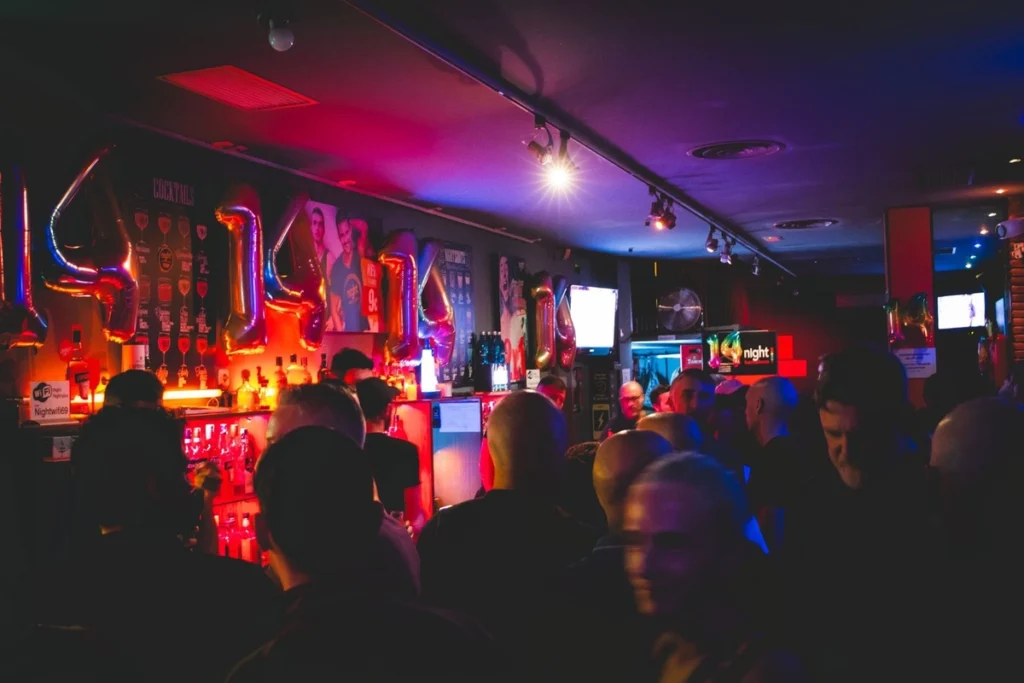
1. Bar Marsella — El Raval
One of the oldest bars in Barcelona (founded 1820), Bar Marsella is practically a museum of Barcelona nightlife history. Dusty absinthe bottles line the shelves, antique mirrors reflect candlelight, and the whole place feels like it hasn’t changed in a century — which is exactly the point. Come here for genuine absinthe served the traditional way, for atmosphere you simply cannot manufacture, and for a piece of living Barcelona history. This is a non-negotiable stop on any serious bar crawl.
Must try: Absinthe, obviously Vibe: Historic, intimate, slightly surreal Best time: 10 PM–midnight
2. Paradiso — El Born
Accessed through what appears to be a working pastrami deli fridge, Paradiso became world-famous for a reason. Consistently ranking among the best bars in the world — it has featured multiple times on the World’s 50 Best Bars list — this small, theatre-inspired cocktail bar delivers drinks that are as visually spectacular as they are delicious. The bartenders here are genuine artists, and cocktails are often presented as small theatrical experiences. Book ahead if possible; the queue can be substantial.
Must try: Whatever the bartender recommends Vibe: Theatrical, intimate, globally acclaimed Best time: 9 PM onwards (arrive early or queue)
3. El Xampanyet — El Born
A Barcelona institution that has been serving cava and simple tapas since 1929, El Xampanyet is the kind of place that makes you understand why people fall in love with this city. The house cava is cheap, cold, and utterly perfect. The tiled interior is beautiful. The crowd is a genuine mix of locals and travelers who know what they’re doing. This is Barcelona at its most joyfully unpretentious.
Must try: House cava and anchovies Vibe: Classic, lively, unpretentious Best time: Early evening (7–10 PM)
4. Bar Calders — Sant Antoni
Bar Calders sits in the heart of Sant Antoni, one of Barcelona’s most liveable and increasingly fashionable neighborhoods, right by the famous market. It’s the kind of neighborhood bar that every city should have: excellent vermouth, good pintxos, a sunny terrace, and a crowd that includes everyone from elderly locals to young creatives. Sant Antoni has firmly established itself as a destination in its own right, and Calders remains one of its best anchors.
Must try: Vermouth and montaditos Vibe: Local, relaxed, genuinely charming Best time: Weekend afternoons and early evenings
5. Dry Martini — Eixample
Opened in 1978 and still one of the most celebrated cocktail bars in Spain, Dry Martini is an institution. The wood-panelled interior, the white-jacketed bartenders, the extraordinary martini list — it all adds up to something that feels timeless without being stuffy. If you’re going to spend money on cocktails in Barcelona, spend it here.
Must try: A dry martini (clearly) Vibe: Classic, sophisticated, impeccably professional Best time: 9 PM–midnight
6. Ale & Hop — El Raval
Barcelona’s craft beer scene has exploded in recent years, and Ale & Hop has been at the forefront of it. With an impressive rotating tap list that prioritizes local and Spanish craft breweries, a relaxed atmosphere, and genuinely knowledgeable staff, this is the go-to spot for anyone who takes their beer seriously. The basement space hosts regular events and tastings.
Must try: Whatever local craft is on tap Vibe: Relaxed, beer-nerdy, welcoming Best time: Any evening
7. Bobby Gin — Gràcia
Gin and tonic is practically a religion in Spain, and Bobby Gin in Gràcia is its cathedral. With over 60 gins on offer and a serious approach to the serve — correct glass, specific garnish, complementary tonic — this is the place to come if you want to understand why the Spanish gin and tonic is a different beast entirely from its British cousin.
Must try: A G&T with a botanical gin of your choice Vibe: Knowledgeable, relaxed, neighborhood gem Best time: 9 PM onwards
8. Marmalade — El Raval
A stylish late-night bar in El Raval with excellent cocktails, a beautiful Art Deco interior, and a mixed crowd that stays until the early hours. Marmalade is one of those reliable spots that works equally well as a first bar of the evening or a last one. The cocktail menu is inventive without being pretentious, and the kitchen serves food late — a genuine rarity in Barcelona.
Must try: Seasonal cocktails Vibe: Stylish, late-night, versatile Best time: Midnight–3 AM
Best Clubs in Barcelona
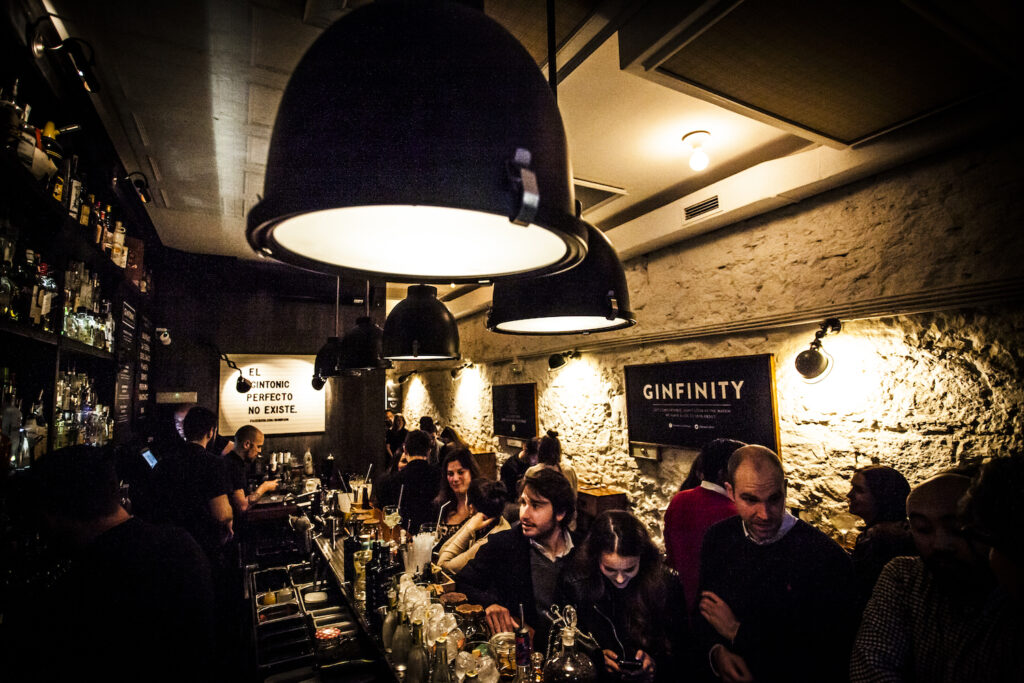
1. Pacha Barcelona — Port Olimpic
The Barcelona outpost of the legendary Ibiza brand, Pacha Barcelona sits right on the waterfront and delivers the full superclub experience: world-class DJs, a stunning main room, multiple floors, and a crowd that’s here to dance seriously. In 2026, Pacha continues to book some of the biggest names in electronic music, with a programming emphasis on house, techno, and commercial dance. The terrace, open in warmer months, offers genuinely spectacular views.
Music: House, techno, commercial Capacity: Large (multi-room) Best for: Big-name DJ sets, special events Entry: €15–30 (often includes one drink)
2. Sala Apolo — Poble Sec
Arguably the best live music and club venue in Barcelona, Sala Apolo is housed in a former 1940s ballroom and has retained an extraordinary amount of its original glamour while becoming a genuinely world-class nightclub. The programming is eclectic and consistently excellent: one night might be an indie live show, the next a serious techno session, the next a Latin night. The Nitsa Club nights (running since 1993) have legendary status and remain the city’s finest ongoing club night for electronic music.
Music: Eclectic (electronic, indie, Latin, live music) Capacity: Medium-large Best for: Quality programming, atmosphere, locals Entry: €10–20
3. Razzmatazz — Poblenou
Five rooms. One building. All night. Razzmatazz is a true mega-club — one of Europe’s largest and most consistently excellent — that has been a cornerstone of Barcelona nightlife for over two decades. Each room has its own distinct identity and sound: from indie and alternative in the Lolita room to hard techno, mainstream dance, and more. Getting lost in Razzmatazz is part of the experience. International touring acts, local favorites, and everything in between make the programming here uniquely varied.
Music: Multi-genre (techno, indie, pop, house) Capacity: Very large (5 rooms) Best for: Variety, big nights out, exploring Entry: €15–25
4. Sutton Club — Eixample
For those who want their nightlife to come with bottle service, velvet ropes, and a beautiful crowd dressed to impress, Sutton is Barcelona’s most consistently glamorous nightclub. The music skews commercial — think pop remixes, R&B, and mainstream dance — and the vibe is unambiguously about looking good and being seen. Not for everyone, but for a certain kind of night it’s unmatched. Dress code is strictly enforced.
Music: Commercial, R&B, pop Capacity: Medium Best for: Glamorous nights, special occasions Entry: €15–25 (often includes a drink)
5. Input — Poble Sec
For serious techno heads, Input is essential. This underground club has built a reputation as one of Europe’s premier destinations for proper techno, with a world-class sound system (an Funktion-One setup that audiophiles travel specifically to experience), an unapologetically dark aesthetic, and a booking policy that prioritizes underground credibility over mainstream appeal. This is not a place for tourists who wander in accidentally — and the door policy reflects that. Come dressed for it, come ready to dance, and come with an appreciation for the music.
Music: Techno, industrial, experimental electronic Capacity: Medium (intentionally intimate) Best for: Serious ravers, audiophiles, underground credibility Entry: €12–20
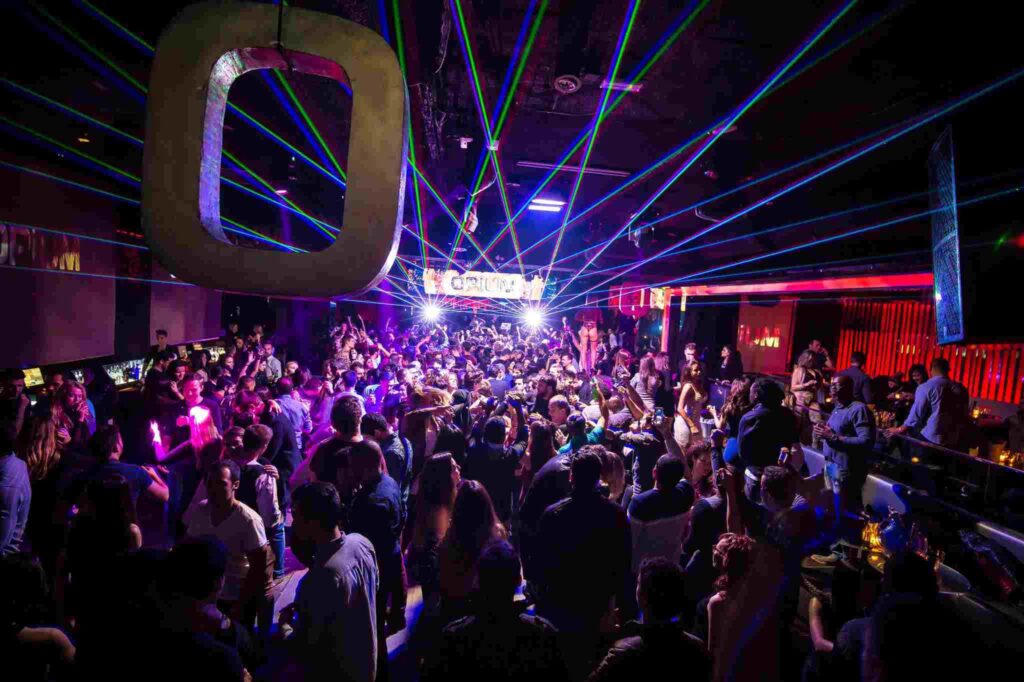
6. Opium Barcelona — Barceloneta
Situated right on the beachfront, Opium has been one of Barcelona’s most iconic clubs for years, and it continues to deliver the full beach-club-to-nightclub experience today, that makes it uniquely Barcelona. The outdoor terrace transitions seamlessly into an indoor club space, and the programming mixes commercial house, Latin rhythms, and mainstream dance. It attracts a young, international, tourist-heavy crowd — which is either a feature or a bug depending on your perspective — but the location alone is worth at least one visit.
Music: Commercial house, Latin, mainstream dance Capacity: Large Best for: Beach vibes, summer nights, international crowd Entry: €15–25 (often includes a drink)
7. Moog — El Raval
Small, sweaty, and absolutely serious about electronic music, Moog is one of Barcelona’s longest-running techno and electronic clubs and has lost none of its edge over the years. Two floors — one dedicated to techno and electronic, one typically running more eclectic programming — host a committed local crowd who come to actually dance rather than be seen. The sound system is excellent, the energy is genuine, and the prices are far more reasonable than the bigger superclubs. If you want to understand what Barcelona’s underground electronic scene actually looks and feels like, Moog is your classroom.
Music: Techno, electronic, minimal Capacity: Small Best for: Locals, underground electronic, genuine atmosphere Entry: €8–15
8. City Hall — Eixample
Housed in a beautifully converted theatre on the Rambla de Catalunya, City Hall manages to be simultaneously one of Barcelona’s most elegant spaces and one of its most reliably fun clubs. The high ceilings, ornate architectural details, and theatrical lighting give it a grandeur that most clubs simply can’t manufacture. Programming is broad — commercial house, Latin nights, themed events — and the crowd is mixed and generally up for a good time. It’s a great option for groups with varied tastes because there’s genuinely something for everyone here.
Music: Commercial house, Latin, themed nights Capacity: Medium-large Best for: Mixed groups, stylish setting, varied programming Entry: €12–20
Barcelona’s Live Music Scene
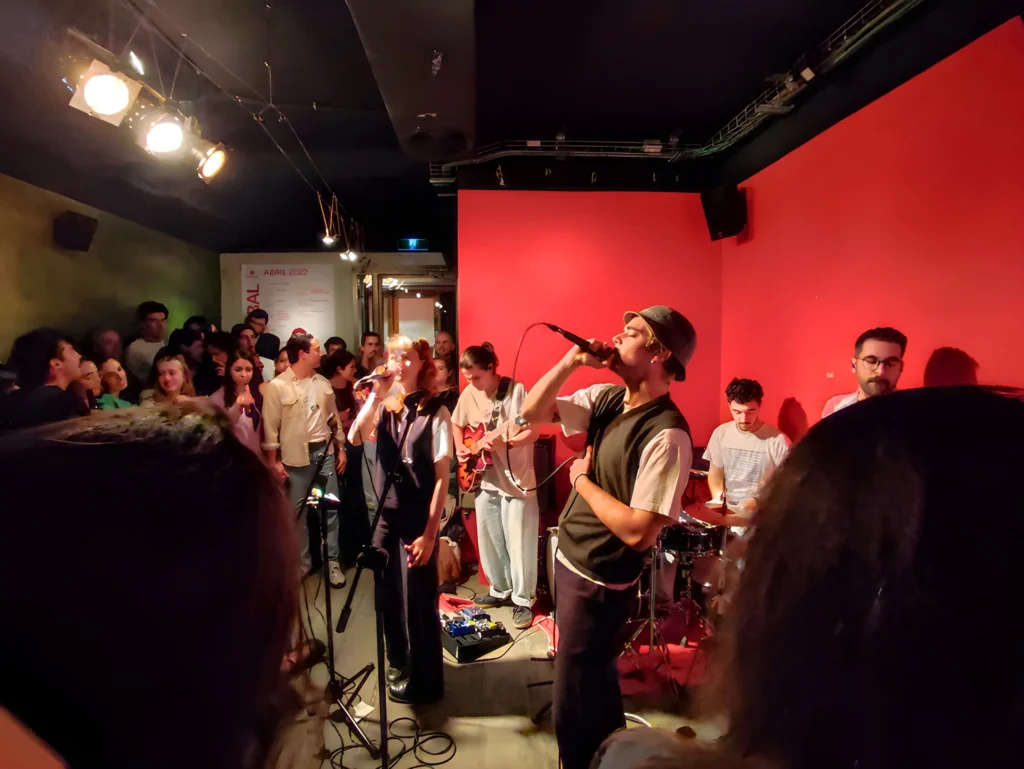
No Barcelona nightlife guide would be complete without acknowledging that the city is as much a live music destination as it is a clubbing one. The following venues are essential for anyone who wants to experience Barcelona’s extraordinary musical breadth.
Palau de la Música Catalana
One of the most spectacular concert halls anywhere in the world, the Palau de la Música Catalana is a UNESCO World Heritage Site and a functioning music venue that hosts classical concerts, jazz, flamenco, and world music throughout the year. Even if classical music isn’t your thing, attending a concert here purely for the architectural experience of Antoni Gaudí’s contemporary Lluís Domènech i Montaner’s extraordinary Modernista interior is entirely justified.
Jamboree Jazz Club — Gothic Quarter
Downstairs in a Gothic cellar on the famous Plaça Reial, Jamboree has been running jazz and blues nights since 1960 and remains one of the best jazz clubs in Spain. The early evening sessions (typically starting around 8 PM) are more traditionally jazz-focused, while later in the night the programming shifts toward hip-hop and funk. The atmosphere is intimate and the quality is consistently high.
Gran Bodega Saltó — Poble Sec
An anarchic, wildly decorated bar and music venue in Poble Sec that defies easy categorization. Gran Bodega Saltó hosts everything from rumba catalana to psychedelic rock, and the interior — covered floor-to-ceiling in eccentric decorations accumulated over decades — is unlike anything else in the city. This is deeply local Barcelona in its most creative, unpredictable form.
Heliogàbal — Gràcia
A tiny, beloved venue in Gràcia that has been nurturing Barcelona’s independent music scene for decades. Heliogàbal hosts emerging artists across jazz, experimental music, singer-songwriters, and everything in between. Tickets are cheap, the crowds are passionate, and the discovery factor is high. If you want to find the next big thing in Barcelona’s music scene, this is where you look.
Barcelona’s Rooftop Bar Scene
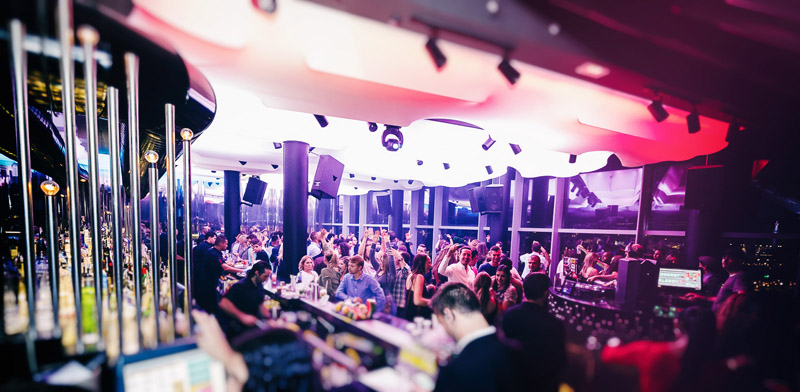
Barcelona’s climate makes rooftop drinking not just possible but practically mandatory for much of the year, and today the city’s rooftop bar scene has never been stronger.
La Isabela Rooftop — Hotel 1898, Las Ramblas
Perched atop the Hotel 1898 on Las Ramblas, La Isabela offers sweeping views across the city toward the sea, with cocktails that match the quality of the setting. It’s on the pricier end but delivers a genuinely premium experience, and the sunset hour here is particularly spectacular.
Azimuth Rooftop — Eixample
One of the newer additions to Barcelona’s rooftop scene, Azimuth sits atop a boutique hotel in Eixample and has quickly established itself as a favorite among both locals and savvy visitors. The cocktail menu is inventive, the views take in the Modernista roofscape that makes Eixample so visually distinctive, and the music programming — leaning toward deep house and chill electronic — is perfectly calibrated for long, warm evenings.
Eclipse Bar — Hotel W Barcelona
The Eclipse Bar at the iconic W Hotel sits on the 26th floor and offers arguably the most dramatic views in the city, with an unobstructed panorama of the Mediterranean. It’s undeniably touristy and prices reflect the location, but for a special occasion or a first night in the city, there are few more impressive ways to begin your Barcelona nightlife experience.
Practical Tips for Barcelona Nightlife
Getting Around
Barcelona’s metro runs until 2 AM on weekdays and 5 AM on Fridays and Saturdays — a genuine advantage over many European cities. For the gap between metro closures and club peak hours on weekdays, taxis and ride-sharing apps are plentiful and relatively affordable. Many of the city’s best nightlife areas — El Born, El Raval, the Gothic Quarter — are walkable from each other, which makes bar-hopping genuinely easy.
Dress Code
Barcelona’s nightlife has a broad dress code spectrum. Underground clubs like Input or Moog favor dark, minimal clothing that suggests you’re there for the music. Glamour clubs like Sutton have strict dress codes — smart casual at minimum, with trainers likely to be refused. Beach clubs are more relaxed. When in doubt, err toward smart rather than casual — you’ll rarely be turned away for being overdressed.
Door Policies
Barcelona’s bigger clubs do operate selective door policies, particularly at upscale venues. Mixed groups (men and women) tend to fare better than large groups of men. Arriving slightly earlier — say 1:30–2 AM rather than 3 AM — can help at venues that fill up quickly. Being polite, dressed appropriately, and visibly there for the music rather than looking for trouble goes a long way.
Staying Safe
Barcelona is generally a safe city for nightlife, but it has a well-documented problem with pickpocketing, particularly in tourist-heavy areas like Las Ramblas and Barceloneta. Keep your phone in a front pocket or secure bag, be aware of your surroundings when leaving clubs in the early hours, and use licensed taxis or reputable ride apps rather than accepting informal rides. Most importantly: watch your drinks.
Costs
Barcelona nightlife can be done on almost any budget. Entry to clubs ranges from free (with guest list) to €30 for premium events. Cocktails in quality bars typically run €10–15. Beer in a local bar might be as little as €3–4. The key is knowing which category you’re in — don’t walk into Sutton expecting Gràcia prices, and don’t assume a local neighborhood bar will have an elaborate cocktail menu.
Guest Lists
Almost every club in Barcelona operates a guest list system that offers free or reduced entry, typically before a certain time (usually around 1–2 AM). Many venues publicize their guest lists via Instagram or their official websites. It’s almost always worth signing up — you’ll save money and, at some venues, significantly reduce queuing time.
Book Your Barcelona Night Out Today
Seasonal Considerations
Summer (June–September)
Peak season for Barcelona nightlife in every sense. The beach clubs are in full swing, outdoor terraces are packed until the early hours, and the city fills with international visitors who help push the energy to extraordinary levels. The Sónar Festival (typically June) and Primavera Sound (May/June) both draw world-class lineups and create an electric atmosphere that extends well beyond the festival sites themselves. Book ahead for popular venues during festival weekends.
Winter (November–March)
Often overlooked, winter is actually an excellent time to experience Barcelona nightlife. The tourist crowds thin dramatically, prices drop, and the local scene — always the soul of Barcelona after dark — reasserts itself. Clubs like Sala Apolo and Razzmatazz continue to book excellent acts, and the intimate indoor bar scene in neighborhoods like Gràcia and El Born comes into its own.
Spring and Autumn
The sweet spots. Warm enough for terrace drinking but not overwhelmingly hot, shoulder seasons offer the best of both worlds — active nightlife without summer’s crushing tourist numbers. Festival season in spring brings significant energy, particularly around Primavera Sound and the broader circuit of events that surround it.
Emerging Trends in Barcelona Nightlife
The Natural Wine Revolution
Barcelona’s bar scene has embraced natural wine with considerable enthusiasm. Spots dedicated to low-intervention, organic, and biodynamic wines have proliferated across El Born, Gràcia, and Sant Antoni, attracting a sophisticated crowd who want complexity in their glass without the formality of traditional wine bars. Look out for venues like Bar Brutal and the growing number of similar spots for the best of this trend.
Sober-Curious Nightlife
Reflecting a broader global trend, Barcelona’s nightlife scene has become notably more accommodating of those who don’t drink alcohol. The best cocktail bars now offer genuinely inventive zero-proof options, and a small but growing number of events specifically cater to sober or sober-curious attendees. This is still very much a developing trend in a culture where drinking is deeply embedded — but it’s happening.
Early Evening Culture
There’s a growing appreciation for the vermut culture — aperitivo-style drinking from around 12–3 PM — that has always existed in Barcelona but has recently attracted a younger crowd. The result is a flourishing early evening bar scene, particularly in Sant Antoni and Poble Sec, where the quality of afternoon and early evening drinking has risen significantly.
Hybrid Venues
The line between restaurant, bar, cultural space, and club has been blurring for years, and today Barcelona leads Europe in the number and quality of genuinely hybrid venues. Spaces that host art exhibitions by day, dinner by evening, and dancing by night; bookshops with cocktail bars; music venues with serious kitchens — the creativity in how Barcelona thinks about nightlife spaces is remarkable.
Final Thoughts
Barcelona nightlife is, by any measure, among the finest in the world. What makes it exceptional isn’t any single club or bar — it’s the combination of extraordinary architecture, a Mediterranean climate that enables outdoor life for most of the year, a culture that genuinely values pleasure and sociability, and a local scene sophisticated enough to support venues that compete with the best anywhere on the planet.
The key to getting the most out of where to party in Barcelona is simple: go local when you can, go late, and stay open to wherever the night takes you. The best Barcelona nightlife experiences rarely follow a plan. They begin with a glass of vermouth on a sun-warmed terrace, meander through several bars in a neighborhood you’ve never visited before, and end — somehow, improbably — watching the sunrise over the Mediterranean with a group of people you met three hours ago.
That is Barcelona. And today, it’s better than ever.
Always check venue websites and social media for current opening hours, events, and entry requirements before visiting. Nightlife venues are subject to change, and programming varies seasonally.